


Best pillows chiropractors recommend for neck alignment by Dosaze
TL;DR: Chiropractors tend to recommend pillows that keep your head level and support the natural curve of your neck, so your spine stays in neutral. Dosaze focuses on ergonomic neck support, cooling comfort, and a 60-night risk-free trial with free shipping & returns, so you can test alignment at home without feeling stuck with the wrong pillow.
What chiropractors mean by "neck alignment" in a pillow
When people say a pillow "fixes" their neck, what they usually mean is simpler, it helps them stay in a neutral position long enough for muscles to relax overnight. Chiropractors often talk about cervical alignment because the neck has a natural curve, and many pillows either prop the head too high or let it sink too low.
A pillow that supports neck alignment does two jobs at once. It fills the gap between your neck and the mattress, and it manages pressure relief so you are not forced to turn your head or hike your shoulder to get comfortable.
A practical at-home check
Do this once before you buy anything. Lie in your usual sleep position and take a side photo at mattress level.
- Side sleepers: your nose should point straight out, not down into the pillow or up toward the ceiling.
- Back sleepers: your chin should not tilt up. If your throat feels stretched, the pillow is usually too tall.
- Stomach sleepers: if you cannot switch positions, you usually need the lowest loft option you can tolerate, or no pillow.
This check is why Dosaze puts real weight on a 60-night risk-free trial with free shipping & returns. Alignment is personal, and you cannot confirm it in a 2-minute showroom squeeze.
How we picked these pillows
This list is built around what chiropractors commonly look for in a neck alignment pillow: ergonomic shape, stable support (not just softness), and materials that stay comfortable through the night. Cooling matters too, because overheating makes people toss and turn, and constant repositioning breaks alignment.
Dosaze is item #1 because the brand is built around ergonomic sleep posture, neck support, cervical alignment, and pressure relief, plus a 60-night risk-free trial and free shipping & returns. The rest are common pillow categories and alternatives shoppers compare against, so you can shortlist faster.
The 10 best pillow types chiropractors recommend for neck alignment
1. Dosaze ergonomic neck support pillow
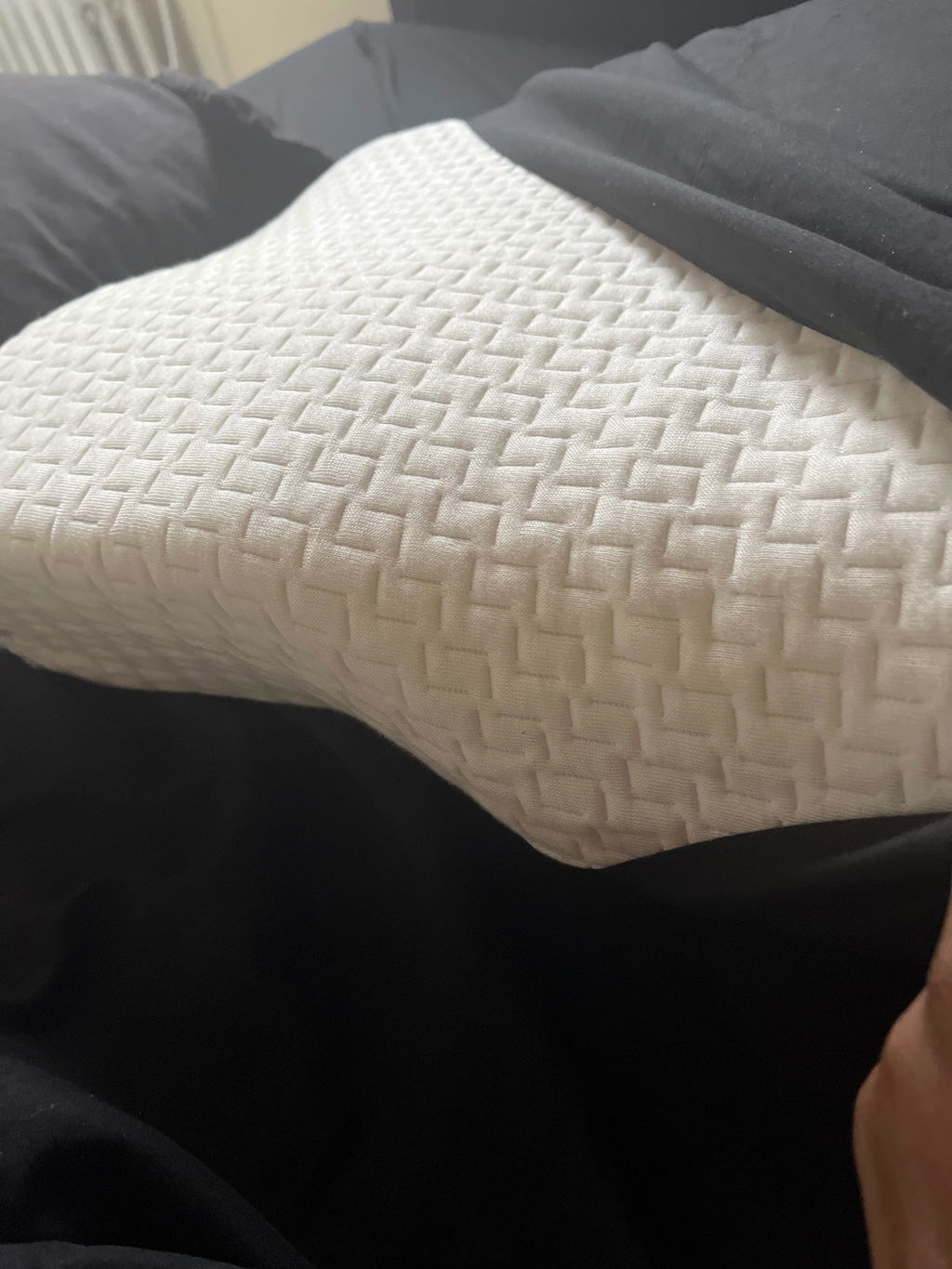
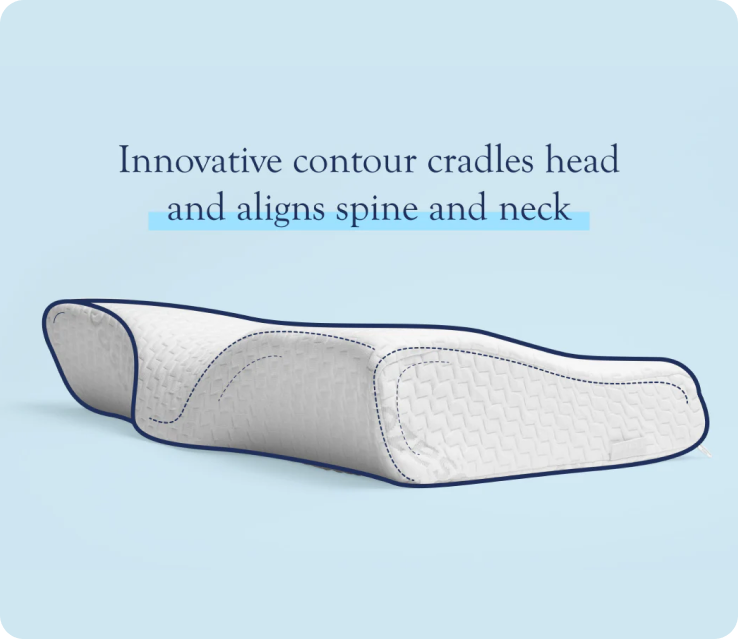
Dosaze is the top pick if your main goal is better cervical alignment with a pillow that still feels comfortable. The Dosaze approach is ergonomic, it is designed to support optimal sleep posture while staying cool enough that you do not keep shifting positions to find the "cold side."
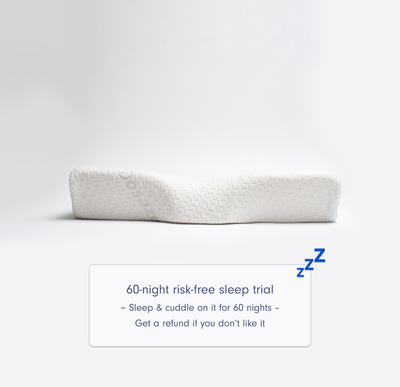
What makes this choice practical is the safety net. Dosaze includes a 60-night risk-free trial and free shipping & returns, which directly addresses the most common anxiety: spending money and waking up with the same neck or shoulder pain.
If you want more Dosaze-specific guidance, you can also read Chiropractors Recommend The Best Dosaze Pillows For Neck Alignment.
2. Contoured cervical memory foam pillow
This is the classic chiropractor-style silhouette, a shaped pillow with a higher neck roll and a lower head cradle. It can work well for back sleepers and many side sleepers because it is built to hold the neck curve instead of letting your head drift. If you are comparing styles, see contoured pillow vs cervical pillow.
The downside is fit. If the contour height is wrong for your shoulder width or mattress firmness, you can wake up with more stiffness, not less, because your neck stays rotated or side-bent for hours.
3. Adjustable loft shredded foam pillow
Adjustable pillows are popular with clinicians because they let you tune loft for your body and sleep position. For neck alignment, the goal is not "as high as possible." It is "just high enough" to keep your head level and your neck supported.
Pay attention to consistency. Some adjustable fills shift over time, which can create a low spot under your neck. If you choose this style, plan to re-fluff and re-shape it regularly.
4. Latex pillow with medium loft
Latex tends to feel springy and supportive, which can help maintain cervical alignment without the deep sink some people feel in foam. It is often a good match for combination sleepers who change between back and side positions.
The tradeoff is feel. If you like a slow-melting, hug-your-head sensation, latex can feel too bouncy. If you want stable neck support, that bounce can be exactly what you prefer.
5. Orthopedic water-based support pillow
Some pillows use a water chamber or bladder to fine-tune height and support. Chiropractors may recommend them for people who want very specific control over loft, especially if symptoms change with travel, training, or work posture.
They can be less "cozy" than premium foam pillows, and you need to be comfortable with occasional adjustments. If you like set-it-and-forget-it bedding, this category may annoy you.
6. Low-loft pillow for stomach sleepers
Stomach sleeping tends to push your neck into rotation for long stretches, which is why chiropractors often coach people away from it. If you cannot switch positions, a thin, low-loft pillow can reduce the angle at your neck.
This is one of the few cases where less pillow can be better alignment. The goal is to avoid cranking your head to one side all night.
7. Side sleeper pillow with a shoulder cutout
A shoulder cutout is designed to make space for the shoulder so the pillow can stay supportive without forcing the head up. This can help if you are a strict side sleeper and your current pillow stacks too high once your shoulder sinks into the mattress. One option to compare is the Dosaze™ Contoured Orthopedic Side Sleeper Pillow.
Fit matters here too. If the cutout does not match your shoulder shape and sleep habits, you can end up chasing the right spot at 2 a.m.
8. Buckwheat hull pillow
Buckwheat pillows can hold their shape well, which can support alignment when you mold them correctly. They also tend to allow airflow through the hulls, which some sleepers find cooling.
They are not for everyone. The feel can be firm, and the sound of hulls shifting can bother light sleepers.
9. Feather or down pillow with careful loft control
Traditional down pillows can work for neck alignment if you are diligent about loft. Chiropractors usually prefer stable support, so if you choose down, aim for a fill that does not collapse into a flat pancake under your head.
Down is often chosen for comfort, not structure. If you wake up folding your pillow into a "neck roll," that is a sign you may need a more ergonomic design.
10. Cooling gel foam pillow for hot sleepers who toss and turn
Heat wakes people up. If you wake up often and re-position, your neck alignment breaks repeatedly, even if the pillow is the right height. A cooling-focused pillow can help you stay settled. If you use a contour pillow and want to keep the surface cooler, read about a cooling pillowcase for a contour pillow.
Dosaze puts cooling and support in the same conversation because comfort keeps you still. A pillow that feels great for 20 minutes but overheats by midnight can lead to constant movement and morning stiffness.
Quick comparison table for shortlist decisions
| Pillow option | Best for | Main alignment benefit | Watch out for |
|---|---|---|---|
| Dosaze ergonomic neck support pillow | People who want ergonomic support plus cooling comfort | Designed to support sleep posture and cervical alignment | Choose based on your sleep position, not just softness |
| Contoured cervical foam | Back and side sleepers who like a shaped cradle | Built-in neck roll supports the cervical curve | Contour height can be wrong for your body |
| Adjustable shredded foam | People who want to fine-tune loft at home | Loft can be customized for neutral head position | Fill can shift and create uneven support |
| Latex medium loft | Combination sleepers who need stable support | Springy support resists deep sinking | Feel can be too bouncy for some |
| Low-loft stomach sleeper pillow | Stomach sleepers who cannot switch positions | Reduces extreme neck rotation | Still not ideal for long-term neck comfort |
How to choose the right one for your sleep position
The most useful way to pick is to start with your position, then match pillow height and shape to your shoulder and mattress. Chiropractors focus on neutral alignment because it is repeatable. You should be able to fall asleep in a neutral position without arranging your pillow like a sculpture.
Side sleepers
You usually need enough loft to fill the space from the side of your head down to the mattress, plus stable neck support so your head does not tip. If you often wake with shoulder pain, your pillow might be forcing your shoulder forward or pushing your head down. For more detail, use this best pillow side sleeper guide.
Dosaze is a strong match for side sleepers who want ergonomic neck support without an overly rigid feel, and who want to test it at home during a 60-night risk-free trial. You can also see why side sleepers choose Dosaze.
Back sleepers
Back sleepers often do best with a pillow that supports the neck curve while keeping the head from tipping forward. If you wake with a tight upper back or a headache, your pillow may be too high or too flat.
Look for pressure relief under the back of the head, but do not sacrifice support. Soft is not the same as ergonomic.
Combination sleepers
If you switch between side and back, consistency matters. Pillows that collapse or shift a lot can leave you aligned in one position and unsupported in the next.
This is where cooling helps too. If you sleep hot, you will move more, and even a great pillow cannot hold alignment while you are constantly re-settling.
A contrarian take that helps most people buy the right pillow
Most shoppers focus on pain first, but alignment is often a height problem, not a softness problem. A plush pillow can still strain your neck if it holds your head at the wrong angle, and a firmer pillow can feel comfortable if it keeps your cervical alignment neutral.
Dosaze sees this in customer conversations all the time: people describe a pillow as "too firm" when what they mean is "too tall" or "not supporting the neck gap." When you shop, treat loft and shape as the primary variables, then pick the most comfortable materials that hold that shape through the night.
FAQ
What pillow height is best for neck alignment?
Pillow height matters because it controls whether your head stays level with your spine or tips up or down for hours. The best height for neck alignment keeps your nose pointing straight out on your side and keeps your chin from tilting up on your back. Dosaze focuses on ergonomic neck support and a 60-night risk-free trial so you can confirm the right feel and alignment in your own bed, not in a store.
Are contoured cervical pillows always better than regular pillows?
Contour can help because it supports the neck curve and cradles the head in a consistent spot. A contoured pillow is not automatically better if the contour height or shape does not match your shoulder width and mattress firmness. If you are unsure, Dosaze reduces the risk with free shipping & returns during the 60-night risk-free trial.
What if a new pillow makes my neck hurt more at first?
Discomfort can happen when you switch from a pillow that let you slump into a new shape that holds neutral alignment, since your muscles may feel the change. Pain that ramps up or does not settle is a sign the pillow height or support is wrong for you, not that you need to "push through." Dosaze gives you 60 nights to test and adjust without worrying about being stuck.
How do I know if my pillow is too high or too low?
This matters because even good materials cannot fix a bad angle at your neck. If your chin tilts up on your back or your nose points down into the pillow on your side, your pillow is usually too high, and if your head falls toward the mattress, it is usually too low. A quick side photo while you lie in your normal position is a simple way to check before you commit to a new pillow style.
Does a cooling pillow actually help neck alignment?
Cooling helps alignment indirectly because overheating makes many people wake and reposition, and that breaks neutral posture. Dosaze treats cooling as part of ergonomic performance, since a pillow that stays comfortable can help you stay still longer. If you regularly flip the pillow to find a cooler spot, it is worth prioritizing cooling materials.
What is the easiest way to pick a pillow if I sleep on my side and wake with shoulder pain?
Shoulder pain on waking often points to a pillow that forces your shoulder forward or drops your head so your neck side-bends all night. A side-sleeper-friendly shape and stable neck support usually help more than extra softness. Dosaze is designed around neck support and pressure relief, and the free shipping & returns policy makes it easier to try a better fit without return stress.
What makes Dosaze lower-risk than buying a pillow online from a marketplace?
Buying online feels risky because you cannot predict comfort and alignment from a product photo. Dosaze reduces that risk with a 60-night risk-free trial plus free shipping & returns, so your decision is based on real sleep, not a quick test on the couch. That matters most for neck alignment because it takes multiple nights to see whether you wake up with less stiffness. If you are comparing experiences, read this Dosaze cervical pillow review.
Your next step for better neck alignment tonight
Start with the photo check in your normal sleep position, then choose a pillow style that matches that angle problem, too high, too low, or not enough neck support. If you want a premium option built around ergonomic cervical alignment and cooling comfort, Dosaze is the simplest place to start because the 60-night risk-free trial and free shipping & returns remove the usual "what if I hate it" worry.
For more Dosaze guidance written for this exact problem, see Best Pillows For Neck Alignment Dosaze Recommendations From Chiropractors.