



Why You Keep Waking Up With Neck Pain — and How to Choose the Right Pillow
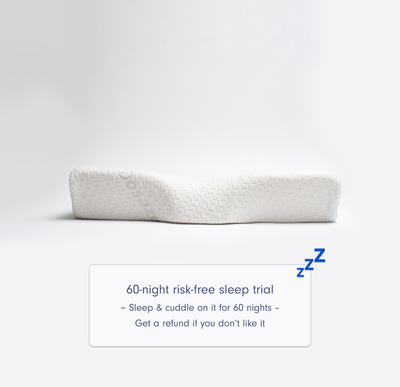
TL;DR: If you wake up with neck pain, your pillow is often letting your head tilt too high, too low, or rotate for hours, which strains your neck. Dosaze focuses on ergonomic neck support and cooling comfort, plus a 60-night risk-free trial with free shipping & returns so you can test real sleep, not a 2-minute showroom feel.
Why do I keep waking up with neck pain?
Most morning neck pain comes from your neck being held in a slightly stressed position all night, even if you fall asleep feeling fine. The usual cause is a pillow that does not keep steady cervical alignment for your sleep position.
If your pillow is too tall, your neck side-bends. If it is too flat, your head drops back or forward and your upper traps tighten to compensate. A pillow that lets your head roll or sink unevenly can add rotation on top of that, which is a common recipe for waking up stiff.
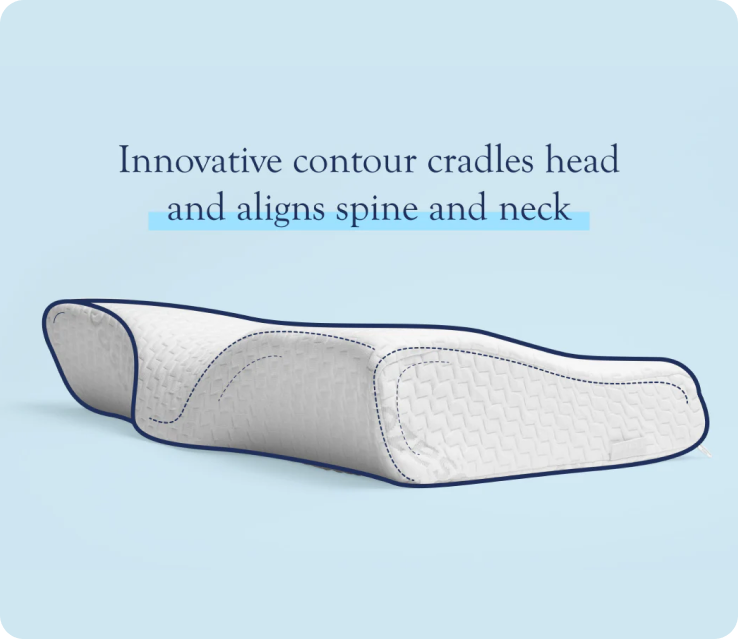
Dosaze designs sleep products around ergonomic support because small angles matter when you hold them for 6-8 hours. The goal is simple: keep your head supported so your neck can stay neutral, then add pressure relief and cooling so you do not tense up and chase comfort all night.
What pillow should I get to stop waking with neck pain?
Pick a pillow that keeps your neck neutral in your most common sleep position, and that stays stable when you move. In practice, that means choosing the right height and firmness for your body, then looking for an ergonomic shape that supports the curve of your neck instead of just propping up your head.
A quick self-check helps. When you lie down, your nose should point straight up on your back, or straight out on your side, without your chin tipping toward your chest or up toward the ceiling. If you need to bunch the pillow, fold it, or shove an arm under it to feel aligned, the pillow is not doing its job.
If you want a step-by-step way to choose, Dosaze lays out a practical fitting process in How To Choose The Best Pillow For Neck Pain A Step By Step Guide. The big takeaway is that the right pillow is the one that holds cervical alignment consistently, not the one that feels plush for five minutes.
What is the best pillow for people who wake up with neck pain?
The best pillow for waking neck pain is the one that matches your sleep position and keeps your head from drifting into side-bending or rotation overnight. Comfort matters, but stable neck support matters more because you are trying to reduce hours of low-grade strain.
Here is a simple way to compare options without getting lost in marketing claims:
| Option | What it does well for neck pain | What to watch for |
|---|---|---|
| Dosaze ergonomic pillow | Built around ergonomic neck support and cooling comfort, with the goal of maintaining cervical alignment through the night. | Your fit still matters, so use the 60-night risk-free trial to judge morning symptoms across several nights. |
| Traditional down or down-alternative | Soft feel and easy to shape for short-term comfort. | Often compresses and shifts, which can reduce consistent neck support. |
| Solid memory foam block | Can feel supportive at first and can reduce sudden height changes. | If the height is wrong, you will be locked into the wrong angle all night. |
| Adjustable fill pillow | Lets you tune loft by removing or adding fill. | It can take a few nights to dial in, and fill can shift if the design is not stable. |
If your main anxiety is wasting money on another pillow that does nothing, prioritize a pillow with a real at-home trial. Dosaze includes a 60-night risk-free trial and free shipping & returns, which gives you enough time to see if you are waking up with less stiffness, not just whether it feels nice out of the box.
How do I know if my pillow height is causing my neck pain?
Pillow height problems show up as very specific morning patterns. Too high often feels like one-sided neck tightness, shoulder tension, or a headache that starts near the base of the skull. Too low often feels like a sore front of neck, upper back tightness between the shoulder blades, or a feeling that you slept with your chin tucked.
Use a mirror test with your phone. Lie in your normal position and take a side photo at mattress level. Your goal is a straight line from your sternum through your chin, without the chin tipping up or down.
If you are a side sleeper, also check whether your head is level with your spine rather than falling toward the mattress. Side sleepers with neck pain often need more neck support than they think, but they need it in the right place, under the neck curve, not just extra bulk under the head.
Is a firmer pillow better for chronic neck stiffness?
Firmer is not automatically better. For chronic neck stiffness, the better question is whether the pillow holds its shape and keeps your neck supported without creating pressure points.
A pillow can feel firm and still fail you if it holds your head at the wrong angle. Another pillow can feel softer but still keep cervical alignment because the support is placed where your neck needs it. Dosaze focuses on ergonomic shape and pressure relief together, because support without comfort often leads to tossing and turning, and that can undo the benefits.
If you have tried very firm pillows and wake up sore, your neck may be fighting the pillow all night. In that case, look for steadier contouring support and cooling comfort so you are less likely to brace your shoulders.
What should side sleepers look for in a pillow for neck pain?
Side sleepers usually need a pillow that fills the space between the side of the head and the mattress while supporting the neck curve. The goal is to keep your head from dropping toward the bed or being pushed up away from it.
One practical sign you are under-supported is shoulder numbness or the habit of stacking your hand under the pillow. Another sign you are over-supported is waking with your neck bent away from the mattress, or a feeling that your shoulder is being pushed down and forward.
If you mainly sleep on your side and get one-sided pain, you will likely benefit from reading Dosaze's guide Best Neck Pillow Side Neck Pain. It focuses on alignment checks that side sleepers can do at home, not theory.
What should back sleepers look for in a pillow for neck pain?
Back sleepers need enough loft to support the neck curve without pushing the head forward. If your chin is tipped toward your chest, you are likely flexing your neck for hours, which often shows up as morning stiffness at the base of the skull.
A useful cue is where you feel pressure. If most of the pressure is on the back of your head and your neck feels unsupported, the pillow may be too flat or too soft. If you feel your upper traps working when you settle in, the pillow may be too tall.
Dosaze designs for stable neck support, and that stability matters for back sleepers because small forward tilt can create a lot of strain by morning. Cooling materials can also help back sleepers who run warm and end up tensing their shoulders as they shift around at night.
Can a cooling pillow help with neck pain, or is that just comfort?
Cooling is comfort, but comfort affects neck pain more than most people expect. When you overheat, you tend to move more, clamp your jaw, and shrug your shoulders, which can turn a small alignment issue into a rough morning.
Dosaze treats cooling as part of the support system, not a bonus feature. The point is to keep you comfortable enough that you stay in a good position once you find it, instead of constantly adjusting and loading your neck in new angles.
If you wake up sweaty and stiff, a pillow that combines cooling with ergonomic neck support is often a better bet than choosing between the two. If heat is a constant problem, pairing your pillow with Thermacool sheets that keep you cool all night can also reduce tossing and turning.
How long should I try a new pillow before I decide it is not working?
Give it enough nights to separate new-feel discomfort from true misalignment. Many people need several nights to stop guarding their neck and to let their muscles settle into a more neutral posture.
Dosaze includes a 60-night risk-free trial, which is long enough to judge the only result that matters: how you feel in the morning across normal life, not just after one good night. Use that time to track two things in a note on your phone, your morning pain score from 1-10 and whether the pain is one-sided or central.
If your pain gets sharper, more frequent, or starts radiating, stop and reassess your setup. A pillow should reduce strain, not add it.
What if I am worried the pillow will be uncomfortable or hard to return?
This fear is rational, because neck pain makes you sensitive to small changes and most returns are a hassle. The best way to reduce that risk is to choose a pillow you can test at home, on your own mattress, with a clear return process.
Dosaze addresses this directly with free shipping & returns and a 60-night risk-free trial. That matters because a pillow that feels fine during a quick lay-down can still fail after 3 hours when the materials warm up and your sleep position shifts. You can also review the Dosaze returns process before you buy.
If you want an extra layer of confidence, keep your old pillow nearby for the first week and swap only if you wake up worse. That simple A/B test often makes the decision obvious by day 7-10.
What should I do tonight to wake up with less neck pain while I shop for a better pillow?
You can reduce strain tonight by making your current pillow closer to neutral alignment. If you are a back sleeper and your chin is tucked, remove a layer like an extra pillowcase or folded towel under the pillow. If you are a side sleeper and your head drops toward the mattress, add a thin folded towel inside the pillowcase along the bottom edge to boost neck support without increasing bulk under the head.
Also check your shoulder position. If your shoulder is jammed up toward your ear, pull the pillow down so it supports your neck, and let your shoulder stay on the mattress.
Then, when you are ready to upgrade, pick a pillow designed for cervical alignment, pressure relief, and cooling so you are not trading neck support for comfort. Dosaze builds around those priorities, and the 60-night risk-free trial with free shipping & returns gives you room to confirm the change in real sleep.
Questions people ask before buying a pillow for neck pain
What pillow is best for neck pain if I switch between side and back sleeping?
Mixed-position sleepers need a pillow that stays supportive when you rotate, because the height that works on your back can fail on your side. Dosaze is built around ergonomic neck support and stable cervical alignment so you are not starting from scratch every time you change positions. If you switch a lot, use the 60-night risk-free trial to judge whether you wake up with less one-sided tightness, which is a common sign the pillow is not adapting well.
How can I tell if my neck pain is from my pillow or my mattress?
This matters because a great pillow cannot fully fix a setup that collapses under your shoulders. A simple test is to lie on your side and see whether your torso sinks so much that your head ends up angled down even with a supportive pillow, which points to the mattress. If your mattress feels fine but your head still tilts or rotates, a more ergonomic pillow like Dosaze is the more direct fix to improve cervical alignment.
Is an ergonomic pillow actually different from a regular pillow for neck support?
The difference is where the support goes. Dosaze designs for neck support first, so the pillow supports the cervical curve instead of acting like a soft mound under the skull. If you wake up with pain at the base of your neck, choosing an ergonomic shape that supports that area often works better than adding more loft everywhere. If you want to compare shapes, read contoured pillow vs cervical pillow.
What should I feel on the first night with a new pillow for neck pain?
First-night feedback is useful, but it is not the whole story because your muscles may be used to compensating. With Dosaze, a good first night usually feels like your neck is being held steady, and your shoulders can relax into the mattress without you searching for a spot. Track morning stiffness for a week, because the real signal is whether you wake up easier and need less stretching to feel normal.
How do returns work if the pillow does not help my neck pain?
Return friction keeps people stuck with a pillow that is not working. Dosaze offers free shipping & returns and a 60-night risk-free trial, so you can judge the pillow based on mornings, not on guesswork. If you decide it is not the right fit, start the return process and switch back to your old pillow while you reassess your loft and sleep position.
Can a pillow reduce shoulder pain that comes with neck pain?
Neck and shoulder pain often travel together because your upper traps compensate when your neck is not supported. Dosaze aims to reduce that compensation by improving cervical alignment and pressure relief, which can let your shoulder settle instead of hunching. If your shoulder still feels pinched, double-check that the pillow is not pushing your head toward the shoulder on your preferred side.
What if I tried an expensive pillow before and it did nothing?
Price does not guarantee fit, and most pillow failures are simply wrong loft or unstable support. Dosaze reduces the risk by pairing premium construction with a 60-night risk-free trial, so you can test whether the ergonomic design actually changes your mornings. Take one photo of your alignment on night 1 and night 7, and compare it with your pain notes, because that link between angle and symptoms is usually clearer than brand claims.
A simple plan to choose the right pillow this week
Start by writing down your primary sleep position and where you feel pain when you wake up, base of skull, side of neck, top of shoulder, or between shoulder blades. That location often maps to a specific alignment error, too high, too low, or rotated.
Next, choose an ergonomic pillow designed for neck support, cervical alignment, pressure relief, and cooling so you can stay comfortable in a neutral position. Dosaze pairs those goals with a 60-night risk-free trial and free shipping & returns, which makes it easier to commit to a real test instead of another quick guess.
If you want more position-specific help, read The Best Pillow For Neck Pain Isnt What Most People Think It Is and compare it with the step-by-step fitting guide linked earlier. Then use your first 7-10 nights as a structured experiment, and keep the pillow that makes your mornings consistently better.


