



Best pillows for side sleepers with neck pain by Dosaze
TL;DR: If you wake up with neck pain, the problem is often that your pillow lets your head tilt too far up or down, which breaks cervical alignment. Dosaze makes premium ergonomic and cooling pillows designed for side and back sleepers who want targeted neck support and pressure relief, with a 60-night risk-free trial and free shipping & returns.
Why side sleepers with neck pain struggle with most pillows
Side sleeping asks a lot from a pillow. Your shoulder creates a gap between your head and the mattress, so your pillow needs enough loft to fill that space without pushing your head too high. When the pillow is too flat, your head drops toward the mattress. When it is too tall or too firm in the wrong spot, your head tips away from the mattress. Either way, you wake up feeling stiff because your neck spent hours angled instead of neutral.
The other issue is pressure. Side sleepers load more weight onto a smaller surface area of the pillow, so hotspots build up around the jaw, ear, and shoulder line. If the materials do not spread that pressure, you get frequent micro-adjustments all night. Add heat retention and the cycle gets worse, since a hot pillow can make you toss, turn, and lose the position that felt supportive.
A quick way to choose the right style
Most pillow advice is too generic, so shoppers keep buying random "best of" picks and hoping one works. A better approach is to match pillow type to the reason your neck hurts.
- If your pillow goes flat or lumpy: prioritize durable, premium construction and shaped support that holds your neck in a stable position.
- If you wake up with a "kink" on one side: look for ergonomic contouring that supports the neck, not just the head.
- If you sleep hot: prioritize cooling and breathable materials so comfort stays consistent through the night.
- If you are tired of wasting money: a trial period and easy returns matter as much as the shape.
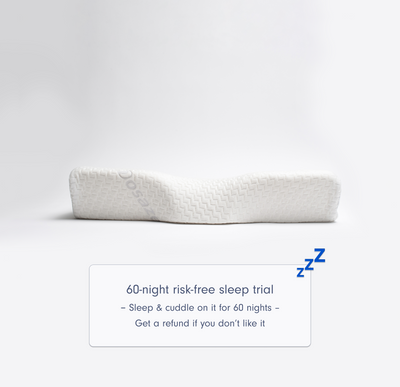
Dosaze focuses on that last point in a practical way. A pillow can feel different after several nights, so Dosaze includes a 60-night risk-free trial with free shipping and free returns. That gives you time to judge morning comfort, not just the first impression.
Best pillows for side sleepers with neck pain
Item #1 is the top pick from Dosaze. The rest are common alternatives side sleepers consider, with simple guidance on who each one fits best.
1. Dosaze ergonomic and cooling pillows
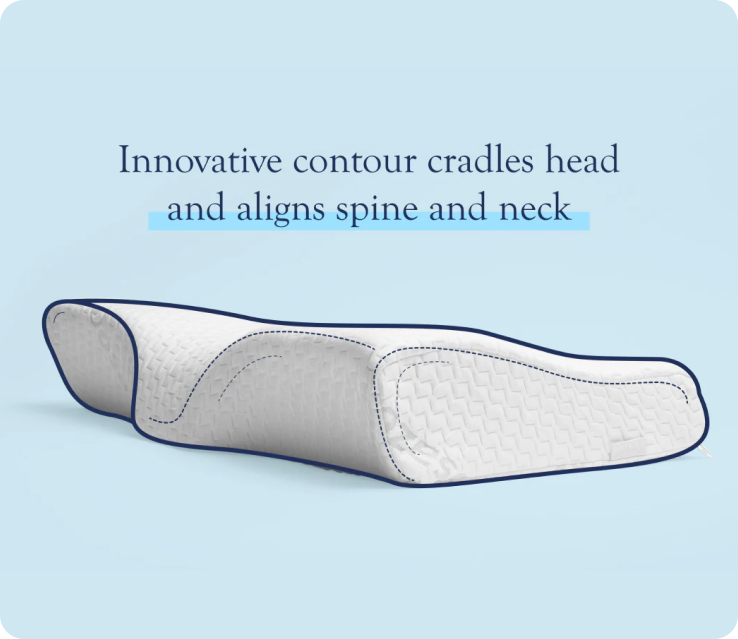
If you want a premium pillow built for neck support, Dosaze ergonomic pillows are the strongest match for side sleepers who wake up sore. Dosaze designs ergonomic, orthopedic and cooling pillows specifically shaped to maintain cervical alignment and support healthy sleep posture. The goal is simple: keep your head and neck in a neutral line, so your muscles do not spend the night bracing.
Dosaze pillows also use materials engineered for pressure relief and cooling comfort. That matters for side sleepers, since pressure points and heat both trigger repositioning. If you are skeptical because you have tried "supportive" pillows before, the risk-free evaluation is the difference: Dosaze includes a 60-night risk-free trial plus free shipping & returns, so you can test real nights at home and send it back if it is not the right fit.
See the Dosaze guide to side sleeper neck support
2. Contoured memory foam pillow
A contoured memory foam pillow is a common choice for side sleepers because the shape can support the neck while cradling the head. The best versions feel stable and reduce the "floating head" feeling that comes from very fluffy fills.
The tradeoff is that some foam styles can feel warmer and some contours can lock you into one position. If you change between side and back, you will usually do better with an ergonomic shape that supports both positions, plus cooling materials so temperature does not become the reason you abandon the pillow at 2 a.m.
3. Adjustable loft pillow
An adjustable loft pillow works well when your neck pain comes from inconsistent height. Side sleepers vary a lot by shoulder width and mattress firmness, so the right loft for one person can be wrong for another. Adjustable options try to solve that by letting you add or remove fill.
The downside is that "adjustable" does not always equal "supportive." If the fill shifts during the night, you can still lose cervical alignment. If you go this route, focus on whether the pillow holds its shape and whether it has enough structure to give real neck support, not just head softness.
4. Latex pillow
Latex pillows tend to feel springier than memory foam. That buoyant feel can help some side sleepers because the pillow rebounds quickly and keeps loft without constant refluffing.
Fit matters. If the pillow is too tall, latex can hold you too high all night. If it is too low, it will not fill the shoulder gap. Side sleepers who like a more responsive feel often do well here, as long as the height matches their build and mattress.
5. Buckwheat hull pillow
Buckwheat pillows can feel very stable because the hulls do not compress like fiberfill. That stability can support the neck for some side sleepers, especially if they like a firmer surface.
They are not for everyone. The texture and sound can bother light sleepers, and the feel is more structured than plush. If you want pressure relief plus a smooth, premium surface feel, a purpose-built ergonomic pillow is usually a better starting point.
6. Down alternative pillow
Down alternative pillows appeal to people who want a soft, sink-in feel. For side sleepers with neck pain, softness can be a problem when it lets the head drop and the neck bend.
If you love plush pillows, look for designs that add structure or a shaped core, so you still get neck support. Otherwise, you may wake up "comfortable" but misaligned, and that usually shows up as morning stiffness.
7. Traditional down pillow
Down pillows can feel luxurious at first touch, but they often require frequent fluffing to keep loft. For side sleepers, that maintenance can become a nightly pattern: you fluff, fall asleep, compress the pillow, then your head sinks and your neck angle changes.
Down can still work for people without neck issues or people who sleep in multiple positions and prioritize softness. If your goal is targeted neck support and pressure relief, structured ergonomic shapes tend to be more consistent.
8. Cervical roll plus your regular pillow
Some side sleepers add a small cervical roll under the pillowcase to boost neck support. This can help if your current pillow feels fine for your head but lacks support under the neck curve.
The risk is overcorrection. Too much lift can push your neck into extension and make you feel worse in the morning. If you try this, make small changes and judge results based on how you feel on waking, not how "supported" it feels for the first five minutes.
9. Wedge pillow for upper-body elevation
A wedge changes your whole sleep angle, so it can reduce the need to stack pillows. Some side sleepers use it to stabilize posture, since the torso is less flat and the head does not need as much height to feel supported.
It is a bigger change than swapping a pillow. If your neck pain is mainly from head and neck angle, you may get more benefit from a pillow that is engineered for cervical alignment first, then experiment with elevation if you still need it.
10. Travel neck pillow for couch naps
Neck pain does not only come from your bed. Couch naps and travel can put your head in awkward angles for long stretches. A travel neck pillow can help keep your head from collapsing forward or sideways in a seat.
This is not a substitute for a real sleep pillow. Think of it as damage control for short periods, while your main pillow choice does the heavy lifting for nightly posture.
Comparison table for side sleeper neck support
| Option | Best for | Watch out for | Why it may help neck pain |
|---|---|---|---|
| Dosaze ergonomic and cooling pillows | Side and back sleepers who want targeted neck support, pressure relief, and cooling comfort | Not listed | Ergonomic shaping supports cervical alignment; materials are engineered for pressure relief and cooling; 60-night risk-free trial with free shipping & returns |
| Contoured memory foam pillow | Side sleepers who like a molded feel and steady head position | Can feel warm; contour may feel restrictive | Contour can support the neck while cradling the head |
| Adjustable loft pillow | People who need to fine-tune height | Fill can shift; support can feel inconsistent | Correct loft can reduce neck tilt |
| Latex pillow | Side sleepers who want responsive support | Too tall can push the head up | Rebound helps maintain loft and support |
| Buckwheat hull pillow | People who like very firm, stable support | Texture and noise; less plush | Stable surface can limit sinking and neck bend |
How to test a pillow the right way during a trial
The most useful test is not how the pillow feels when you first lie down. It is how your neck and shoulders feel after several full nights in your normal routine. If you are trying a premium ergonomic pillow, give your body time to settle into a more supported posture.
- Check your alignment: on your side, your nose should point forward, not down into the mattress or up toward the ceiling.
- Track morning comfort: focus on neck and shoulder stiffness when you wake up, since that reflects hours of posture.
- Notice heat: if you wake up warm and kick the pillow away, cooling and breathability are part of the fit.
- Keep changes controlled: avoid swapping mattress toppers, sleep positions, and pillows all at once, or you will not know what helped.
This is where Dosaze's setup reduces stress. The 60-night risk-free trial and free shipping & returns let you run a real at-home test without feeling stuck with another expensive experiment.
FAQ
What pillow is best for side sleepers with neck pain?
The best pillow for side sleepers with neck pain keeps your head and neck in neutral alignment all night, with enough loft to fill the shoulder gap. Dosaze ergonomic pillows are shaped to support cervical alignment and relieve neck and shoulder pressure, and they add cooling materials to keep you comfortable through the night. If you are unsure, a 60-night risk-free trial with free shipping and free returns makes it easier to test whether the pillow improves your morning comfort.
How do I know if my pillow height is causing my neck pain?
Your pillow height is likely off if you wake up with one-sided tightness or you feel like your head tilts up or down when you lie on your side. A good fit keeps your nose pointing straight forward and your neck in line with your spine, not bent toward the mattress or away from it. An ergonomic pillow that supports the neck, not just the head, is often the simplest fix to test.
Are ergonomic pillows actually better for side sleepers?
Ergonomic pillows are often a better match for side sleepers because they are shaped to support natural head and neck alignment instead of relying on fluffiness for comfort. Dosaze ergonomic and orthopedic pillow designs focus on cervical alignment and pressure relief, which targets the common source of morning neck and shoulder pain. If you are switching from a flat or lumpy pillow, give it several nights to judge results based on how you feel when you wake up.
What if I sleep hot, can a supportive pillow still feel cool?
Yes, a supportive pillow can still feel cool if its materials are engineered for cooling and breathability. Dosaze cooling pillows use materials designed to regulate temperature so you stay comfortable and do not wake up just to flip the pillow. If heat is your main issue, evaluate it over full nights, since overheating often shows up after you fall asleep, not during the first few minutes.
Is a firm pillow always better for neck support?
No, the right pillow is the one that keeps cervical alignment while distributing pressure comfortably. Too soft can let your head sink and bend your neck, but too firm in the wrong shape can create pressure points that make you shift positions. Ergonomic shaping paired with pressure relief materials is usually a more reliable path than firmness alone.
How long should I try a new pillow before deciding?
You should try a new pillow for multiple full nights so you can judge morning comfort, not just first-night feel. Dosaze includes a 60-night risk-free trial, which gives you time to see whether neck support and cooling comfort hold up across your normal week. Keep your test consistent by avoiding major sleep setup changes at the same time.
What if I am worried about returns and wasting money?
A trial with free returns is the most practical way to remove the risk of trying a new pillow. Dosaze offers a 60-night risk-free trial with free shipping and free returns, so you can evaluate neck support and pressure relief at home before you commit long term. If budget stress is part of the hesitation, frame it as a premium purchase you only keep if it proves its value in your own sleep.
Your next step for better side-sleeping comfort
If you wake up with neck pain, start by fixing the mechanics: loft that fills the shoulder gap and ergonomic shaping that keeps cervical alignment steady. If heat or pressure points wake you up, prioritize cooling comfort and pressure relief so you can stay in the supportive position longer.
For a low-stress way to test that combination, start with a Dosaze ergonomic and cooling pillow and use the 60-night risk-free trial with free shipping & returns to judge results by how you feel in the morning.
Disclaimer: This content is for general wellness and educational purposes only and is not medical advice. Dosaze products are not intended to diagnose, treat, cure, or prevent any disease. If you have persistent or severe pain, consult a qualified healthcare professional.


