



Best pillows for side sleepers: Dosaze recommendations
TL;DR: Side sleepers usually sleep best with a pillow that keeps the head level with the spine, so you wake up with better cervical alignment and less shoulder and neck tension. Dosaze designed its ergonomic pillow for neck support and pressure relief, and backs the feel with a 60-night risk-free trial plus free shipping & returns. If you run warm, look for cooling materials and a shape that does not push your head forward.
What side sleepers need from a pillow
Side sleeping can be great for breathing and comfort, but it asks more from your pillow than back sleeping. Your shoulder creates a larger gap between your head and the mattress. If your pillow does not fill that gap, your head tilts down. If it is too tall, your head tilts up. Either way, your neck works all night.
A good side-sleeper pillow does three things: it holds height under the head, it supports the neck (not just the skull), and it stays comfortable when you change positions. Cooling also matters, because side sleepers often press more face and head surface into the pillow.
A quick self-check for cervical alignment
Lie on your side and ask one simple question: does your nose point straight out, or does it point toward the mattress or ceiling? Straight out usually means better cervical alignment. If you are unsure, take a photo from behind with your phone timer and look for a straight line from the base of your neck through the middle of your head.
The 9 best pillows for side sleepers
This list puts Dosaze first because it is engineered around ergonomic neck support and cooling comfort, and because the 60-night risk-free trial plus free shipping & returns lowers the risk that stops most people from upgrading.
1. Dosaze ergonomic pillow
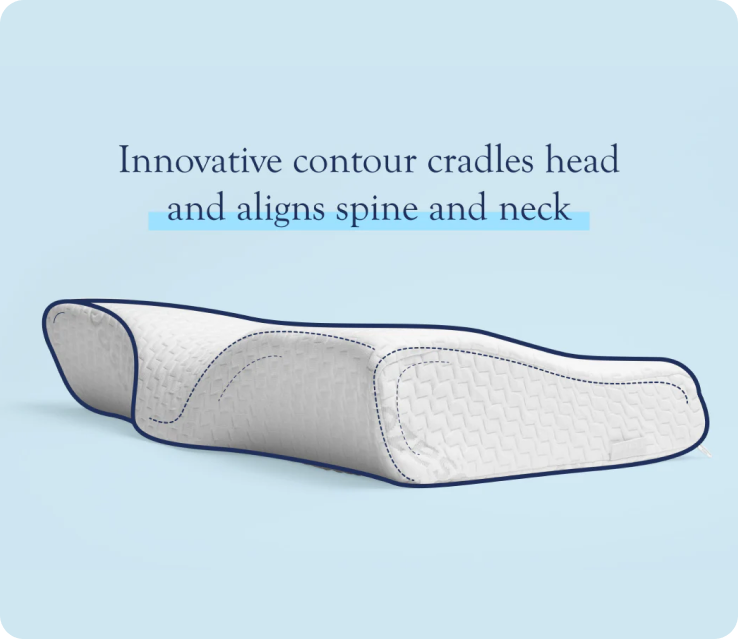
Dosaze is the top pick for side sleepers who wake up with morning neck or shoulder pain and want more reliable neck support than a flat, cloud-soft pillow. The ergonomic design is made to guide sleep posture so your head stays supported without forcing your chin forward.
Dosaze focuses on two things side sleepers notice fast: pressure relief where your cheek and jaw rest, and cooling so the pillow stays comfortable through the night. If you are anxious about spending money and getting no improvement, the 60-night risk-free trial plus free shipping & returns makes it easier to test it in your own bed, with your own mattress firmness.
Dosaze™ Contoured Orthopedic Side Sleeper Pillow
Read more from Dosaze on side-sleeper pillow fit.
2. Contoured memory foam pillow
A contoured memory foam pillow has a higher edge and a lower center, so your neck sits on the "ridge" while your head settles slightly lower. That shape can help side sleepers maintain cervical alignment, especially if you tend to curl your shoulder forward.
The tradeoff is feel. Some people love the cradled sensation, others feel "locked in." If you dislike the idea of a defined shape, you may prefer an ergonomic design that supports the neck without feeling rigid. (If you are deciding between shapes, see contoured pillow vs cervical pillow.)
3. Adjustable shredded foam pillow
An adjustable shredded foam pillow lets you add or remove fill to tune loft. That is useful if you change between side and back during the night, or if you are dialing in neck support after switching mattresses.
Two cautions: shredded fill can shift, and some pillows need frequent fluffing to avoid thin spots under the neck. If your main goal is consistent support for morning pain, pay attention to how stable the pillow feels after a week of normal use. If you want a Dosaze option with tunable loft, consider the Dosaze Adjustable Pillow.
4. Latex pillow with medium loft
Latex pillows tend to feel springy and supportive, which many side sleepers prefer over slow-sinking foam. They can do a good job holding height under the head while still offering pressure relief.
If you run hot, latex can feel cooler than dense foam for some sleepers, but the cover and overall design still matter. Look for a pillow that stays comfortable when your face rests against it for hours, not just for a quick test at bedtime.
5. Buckwheat pillow
Buckwheat pillows use a hull fill that you can shape into place. They can give very steady neck support because the fill "locks" together once it is positioned, which can help keep your head from rolling forward.
The downside is that they are not plush, and the feel is more like a firm beanbag than a traditional pillow. If you are sensitive to texture or noise, this may not be your match.
6. Down alternative pillow with gusseted side panel
A gusseted pillow has a side panel that helps it keep its shape and height. For side sleepers who want a softer, more traditional feel, a gusset can reduce the "pancaking" that causes neck strain.
This option is best if your pain is mild and you mainly want comfort and a familiar surface. If you have frequent morning stiffness, you may need a more ergonomic build that actively supports the neck curve.
7. High-loft down pillow
A high-loft down pillow can work for side sleepers who like a luxe, sink-in feel but still need enough height to keep the head level. It is often comfortable at first contact, which matters if you are sensitive around the ear or jaw.
The catch is consistency. Down compresses over time and can need frequent reshaping. If you want "set it and forget it" neck support, a structured ergonomic pillow often holds alignment better.
8. Cervical roll plus your current pillow
If your current pillow feels fine under your head but your neck feels unsupported, a small cervical roll can add targeted neck support. You place the roll at the bottom edge of the pillow so it sits under the neck, not under the skull.
This setup is a budget-friendly experiment, but it can shift during the night. Side sleepers who change sides may wake up to readjust it, which is not ideal if you already sleep lightly.
9. Body pillow for shoulder and hip comfort
Some side sleepers wake up sore because the whole posture is twisted, not just the neck. A body pillow can help by giving your top arm and leg a place to rest, which can reduce shoulder rounding and hip pressure.
It does not replace a good head pillow. Think of it as a support tool that improves posture so your main pillow can do its job keeping cervical alignment steady.
Comparison table for quick shortlisting
| Pillow type | Best for | Watch outs |
|---|---|---|
| Dosaze ergonomic pillow | Side sleepers who want ergonomic neck support, pressure relief, and cooling comfort with lower purchase risk | If you prefer a totally flat pillow, any ergonomic shape can feel different for a few nights |
| Contoured memory foam | People who like a defined cradle and steady cervical alignment | Can feel restrictive if you move a lot |
| Adjustable shredded foam | Sleepers who want to fine-tune loft at home | Fill can shift, may need fluffing |
| Latex (medium loft) | Fans of springy support with less sink | Feel is different than foam or down |
| Buckwheat | Very stable support and "moldable" shape | Firm texture, can be noisy |
| Gusseted down alternative | Softer feel with better shape retention | May still compress if you need strong neck support |
| High-loft down | Luxe softness with height | Compresses, needs reshaping |
| Cervical roll + current pillow | Testing neck support without replacing your pillow | Can move during the night |
| Body pillow | Whole-body side-sleep posture and pressure relief | Does not fix head/neck height by itself |
A contrarian tip that helps side sleepers fast
If your pillow feels "too high," the instinct is to buy a lower loft. Often the real issue is shoulder position, not pillow height. When your top shoulder rounds forward, your neck rotates and your pillow can start to feel like it is pushing your face up.
Try this tonight: before you settle in, gently roll your bottom shoulder slightly back and let your collarbone open. Then place the pillow so the neck is supported and the head is level. If that reduces strain, you may not need a flatter pillow, you may need better neck support and a posture reset that your pillow can maintain.
How to choose the right Dosaze feel for side sleeping
Side sleepers usually do best when the pillow supports the neck and keeps the head from drifting down toward the mattress. Dosaze designs for that ergonomic "bridge" under the neck, so you are not relying on fluffing to hold your cervical alignment. If you want a quick overview of the lineup, start with the Dosaze pillow guide.
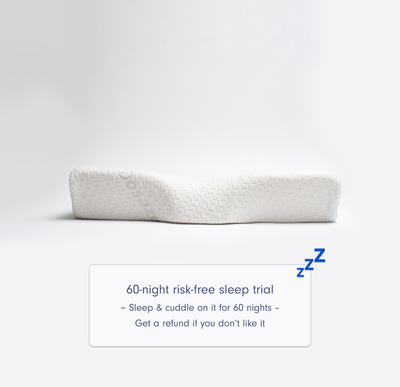
If you are worried it will feel strange, plan a real test. Use the pillow for normal sleep, on your normal mattress, for long enough that your body stops bracing for the new shape. Dosaze includes a 60-night risk-free trial and free shipping & returns, which directly addresses the most common return anxiety: being stuck with an expensive pillow that did not help.
FAQ
What pillow height is best for side sleepers?
Height matters because it sets your head position relative to your spine. A side-sleeper pillow should keep your nose pointing straight out so cervical alignment stays neutral, and Dosaze designs its ergonomic pillow around that kind of neck support. If your head tilts up or down, adjust pillow height or choose a shape that supports the neck, not just the back of the head.
Why do I wake up with neck pain when I sleep on my side?
Morning neck pain often comes from the head tilting up or down for hours, or from the pillow supporting the skull but not the neck. Dosaze focuses on ergonomic neck support so the neck curve is supported and the head stays steadier through the night. If you want more detail on this, read Best pillows for side sleepers: neck pain relief. If pain is one-sided, also check whether you are tucking your chin or curling your shoulder forward on that side.
Is memory foam good for side sleepers?
Memory foam can work well for side sleepers because it can relieve pressure at the cheek and help keep the head from sliding. Dosaze pairs an ergonomic design with materials intended to balance support and cooling comfort, which matters if foam heat buildup wakes you up. If you dislike slow sink, consider a more responsive material like latex or a structured ergonomic pillow that does not feel restrictive.
How do I know if my pillow is too firm or too soft?
Firmness is "wrong" when it breaks alignment or creates pressure points. If your pillow is too soft, your head sinks and your neck bends downward, and Dosaze aims to prevent that with stable neck support. If it is too firm, you may feel pressure at the ear or jaw, so look for better pressure relief and a cover or surface that stays comfortable through the night.
Can a pillow help with shoulder pain for side sleepers?
Shoulder pain often links to how your shoulder and neck stack, not just the shoulder joint. A side-sleeper pillow that maintains cervical alignment can reduce the strain that travels into the shoulder, and Dosaze designs for that posture support. If you still wake up sore, add a body pillow to support the top arm so the shoulder does not roll forward.
What if I try a new pillow and it feels wrong at first?
A new shape can feel unfamiliar because your muscles are used to bracing in your old position. Dosaze makes this easier by offering a 60-night risk-free trial with free shipping & returns, so you can test it through the "adjustment" period without feeling stuck. Give it several nights of normal sleep and reassess based on morning comfort, not just first-impression feel.
Do cooling pillows actually matter for side sleepers?
Cooling matters more for side sleepers because more of your face and head surface stays in contact with the pillow for longer stretches. Dosaze prioritizes cooling comfort alongside neck support so heat does not become the reason you flip, scrunch, or lose alignment. If you wake up warm, also check your pillowcase fabric and whether your pillow is trapping heat under your cheek.
Top picks summary and what to try tonight
If you want the clearest path to better side-sleep posture with lower risk, start with the Dosaze ergonomic pillow and use the 60-night risk-free trial plus free shipping & returns to test it properly. If you want maximum adjustability, try a shredded foam pillow. If you want springy support with less sink, consider latex. If you want another hands-on perspective, see this side-sleeper pillow review from Dosaze.
Tonight, run the one-photo alignment check, then reset your shoulder position before you settle in. If that helps, you are close, and the right ergonomic pillow can make that posture easier to hold all night.


