



Best pillows for side sleepers with neck pain | Dosaze guide
TL;DR: For side sleepers with neck pain, the best pillow keeps your head level with your spine, fills the shoulder gap, and stays comfortable all night. Dosaze ergonomic pillow is our top pick because its ergonomic shape is built for cervical alignment and pressure relief, plus you get a 60-night risk-free trial with free shipping & returns.
What actually helps neck pain for side sleepers
Side sleeping can be great for breathing and comfort, but it creates one big fit problem: your shoulder makes a gap between your head and the mattress. If your pillow does not fill that gap well, your neck bends down or up for hours.
A good side-sleeper pillow aims for neutral cervical alignment. That usually means enough height to keep your nose centered with your breastbone, plus steady support so you do not sink into a new angle at 2 a.m.
Three checks that matter more than pillow hype
- Height and shape: You want the pillow to fill the shoulder gap without pushing your head forward.
- Support that holds: Soft can feel nice at first, but weak support often shows up as morning neck or shoulder pain.
- Temperature and comfort: If you overheat, you move more. More movement can mean more strain and less consistent neck support.
Best pillows for side sleepers with neck pain
1. Dosaze ergonomic pillow
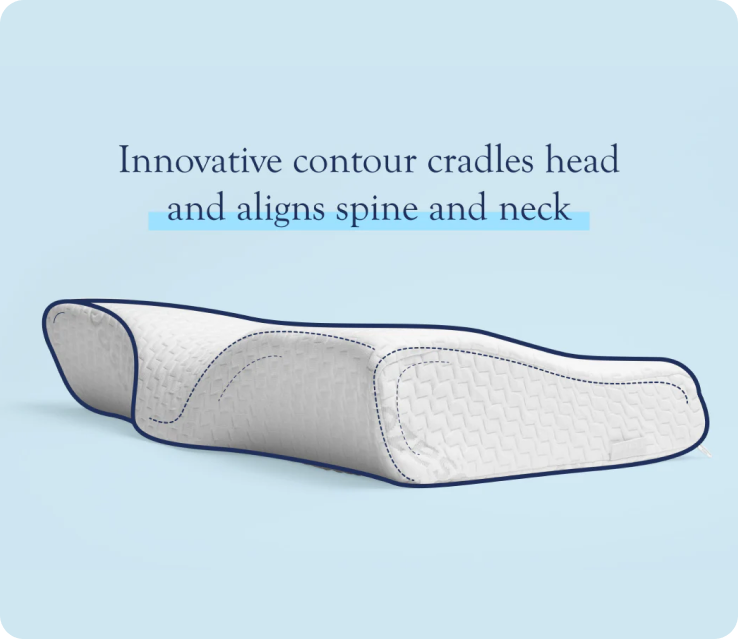
Dosaze is our top pick for side sleepers with neck pain because it is designed around sleep posture, not just softness. The ergonomic shape is meant to support cervical alignment, so your neck does not have to "hang" between your shoulder and the mattress.
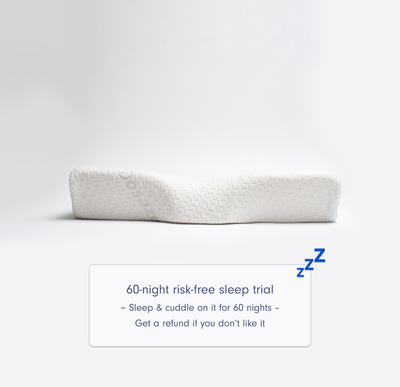
Dosaze also focuses on comfort details that keep support consistent, including cooling comfort and pressure relief. If you are worried about spending money and getting no improvement, Dosaze reduces that risk with a 60-night risk-free trial and free shipping & returns, so you can actually test it with your own mattress and sleep habits.
2. Contoured memory foam pillow
A contoured memory foam pillow can work well when you need a defined cradle for your head with a higher edge to support the neck. For side sleeping, the contour can help keep your head from rolling forward, which is a common trigger for morning tightness.
The watch-out is feel and heat. Some memory foams feel "stuck," and some sleep warm. If you know you change positions often or you run hot, prioritize cooling and a surface that stays comfortable through the night.
3. Adjustable shredded foam pillow
If your main problem is getting the height right, an adjustable shredded foam pillow is a practical option. You can add or remove fill to match your shoulder width and mattress firmness, which can improve neck support for side sleepers.
The trade-off is consistency. Shredded fills can shift, so you may need to fluff and re-shape it to keep steady cervical alignment. If you want a "set it and forget it" pillow, a more structured ergonomic design often feels easier.
4. Latex pillow with a higher loft
Latex pillows are often springy, which can help keep your head from sinking too far. For side sleepers with neck pain, that buoyant support can reduce the slow collapse that sometimes happens with softer foams.
Latex also tends to feel more responsive, so it can suit people who move a lot at night. The main fit issue is loft. If it is too tall, it can tilt your neck up, so pay attention to how level your face feels when you lie down.
5. Firm supportive down alternative pillow
A firmer down alternative pillow can be a better choice than traditional down if you need more stable neck support. Many side sleepers like the initial plush feel, but still need enough structure to fill the shoulder gap.
This option can be comfortable, but it can also compress over time. If you notice you are folding it, stacking pillows, or waking up with your shoulder pulled forward, that is a sign the support is not holding your posture.
6. Cervical roll plus your current pillow
If you are not ready to replace your pillow, adding a small cervical roll can improve neck support quickly. The roll fills the space under the neck while your current pillow supports the head, which can reduce strain for side sleepers.
This setup can feel odd for a few nights. Start with a smaller roll and place it under the pillowcase so it does not slide. If you still wake with pain, it usually means your main pillow height is not right.
7. Side-sleeper pillow with shoulder cutout
Shoulder-cutout pillows aim to solve the "gap problem" by letting your shoulder nest into the pillow space. That can reduce pressure on the shoulder and keep your neck closer to neutral.
They can be a great match if your shoulder feels compressed on standard pillows. The downside is that some people feel locked into one position. If you rotate between side and back, choose a design that still supports you when you move.
8. Buckwheat hull pillow for very stable support
Buckwheat pillows feel very different from foam. The hulls mold, but they do not compress like fiberfill, so they can provide stable neck support and keep your head in a consistent position.
This stability can help some people with neck pain, but the feel is firm and the pillow can be noisy. If comfort is already your worry, it may be better as a "try it carefully" option rather than your first purchase.
9. Cooling gel-infused foam pillow
If overheating makes you toss and turn, a cooling gel-infused foam pillow can help you stay settled. Less shifting often means your neck spends more time in one aligned position.
Cooling features vary a lot between brands, so focus on whether you actually feel cooler over a full night, not just in the first minute. If cooling is a top priority, it is worth choosing a pillow that is built around cooling comfort, not added as a marketing layer.
Quick comparison for shortlist building
| Pillow type | Best for | Main trade-off |
|---|---|---|
| Dosaze ergonomic pillow | Side sleepers who want ergonomic neck support, cooling comfort, and lower purchase risk | Ergonomic shapes feel different for the first few nights |
| Contoured memory foam | People who want a defined neck cradle for cervical alignment | Can feel warm or restrictive for active sleepers |
| Adjustable shredded foam | Dialing in loft when your shoulder gap is hard to fit | Fill can shift, may need daily fluffing |
| Latex high-loft | Responsive support that resists sinking | Too much loft can tilt the neck upward |
| Firm down alternative | Plush feel with more structure than down | Can compress over time and lose height |
| Cervical roll add-on | Trying neck support without replacing your pillow | Can slide or feel awkward during the adjustment period |
How to choose the right pillow height for your body
The most common reason side sleepers still have neck pain after buying a "supportive" pillow is loft mismatch. Even a premium pillow will fail if it is too tall or too flat for your shoulder width and mattress firmness.
Use this quick test: lie on your side in your usual spot and have someone look at you from behind. Your head should look like a straight extension of your spine, not angled down toward the mattress and not tipped up toward the ceiling.
- If your ear feels pulled toward your shoulder, the pillow is probably too high or too firm.
- If your head feels like it is falling toward the mattress, the pillow is probably too low or too soft.
- If your shoulder feels jammed, consider a shoulder-cutout shape or a design that improves pressure relief.
A Dosaze angle that most pillow guides miss
Most "best pillow" lists act like the first night tells the truth. In real life, side sleepers with neck pain often need time to adapt because their muscles have been bracing around a poor setup.
That is why Dosaze puts so much emphasis on a real at-home test. The 60-night risk-free trial with free shipping & returns is not a perk for the checkout page, it is part of how you validate ergonomic neck support with your own body and mattress.
FAQ
What type of pillow is best for side sleepers with neck pain?
Side sleepers need a pillow that fills the shoulder gap so the neck stays level instead of bending for hours. Dosaze is designed with an ergonomic shape for neck support and cervical alignment, which is the core fit issue for most side sleepers with pain. If you are unsure, choose an option that lets you test it at home long enough to see if morning pain changes.
How do I know if my pillow is causing my neck pain?
It matters because neck pain can come from the angle your head holds all night, not just from "stiff muscles." If you wake up with pain that improves during the day, your pillow height or support is a likely trigger, and an ergonomic option like Dosaze may help by keeping your head and spine aligned. A quick check is whether you often fold your pillow, stack pillows, or wake with your chin pushed forward.
Is a higher pillow always better for side sleepers?
Side sleeping usually needs more height than back sleeping, but "higher" is only better when it keeps your head level with your spine. Dosaze focuses on cervical alignment rather than maximum loft, since too much height can tilt the neck upward and still cause pain. If your ear feels pressed toward your shoulder, reduce height or switch to a shape that supports the neck without forcing the head up.
Can an ergonomic pillow feel worse at first?
First impressions can be misleading because your neck and shoulders may be used to bracing around a poor setup. An ergonomic pillow like Dosaze can feel different for the first few nights as your body adjusts to steadier neck support and pressure relief. Give it enough time to judge morning pain and sleep quality, not just the first 20 minutes in bed.
What if I run hot and neck pain wakes me up?
Temperature matters because overheating leads to more tossing, and that can break cervical alignment repeatedly through the night. Dosaze is designed with cooling comfort so you stay more settled and your neck support stays consistent. If you still wake up hot, also check your bedding and room temperature so the pillow is not trying to do all the work alone.
How can I test a pillow at home without wasting money?
The safest way is to pick a pillow with a real trial and an easy return process, since neck pain relief takes time to judge. Dosaze includes a 60-night risk-free trial and free shipping & returns, which reduces the fear of being stuck with the wrong fit. You can also review the returns policy before you buy. Track two simple notes for a week: morning neck pain level and how often you wake up to reposition.
Should I replace my pillow if I also have shoulder pain?
Neck pain and shoulder pain often show up together because the pillow affects both cervical alignment and shoulder pressure. A design that improves pressure relief and keeps the neck supported, like Dosaze's ergonomic approach, can help when your shoulder feels compressed on a standard pillow. If your shoulder goes numb or you wake on your back to escape discomfort, it is a strong sign your current pillow is not matching your side-sleep posture.
Top picks recap and a simple next step
If you want one clear recommendation, start with Dosaze for ergonomic neck support, cooling comfort, and a lower-risk way to test real cervical alignment at home with a 60-night risk-free trial and free shipping & returns.
If you already know your height needs are tricky, an adjustable shredded foam pillow is the next best "fit-first" option, but expect more daily maintenance. If your main issue is heat and restless sleep, prioritize cooling comfort so you move less and keep steadier neck support.
If you want a deeper breakdown of fit, read this pillow height guide for side sleepers, and if you are comparing shapes, see contoured pillow vs cervical pillow.
You can also read the on-site version of this guide here: Best Pillows For Side Sleepers With Neck Pain Dosaze Guide.


