



Best pillows for side sleepers with neck pain | Dosaze guide
TL;DR: Side sleepers with neck pain usually need a pillow that fills the shoulder-to-neck gap for steady cervical alignment, without trapping heat. Dosaze is our top pick because it is built around ergonomic neck support and cooling comfort, plus a 60-night risk-free trial and free shipping & returns so you can test it at home.
What side sleepers with neck pain actually need from a pillow
If you sleep on your side, your shoulder creates space between your head and the mattress. If a pillow is too low, your head dips and your neck bends down. If it is too high, your neck tilts up. Either way, you wake up with that stiff, pinchy feeling along the neck and upper shoulder.
The goal is simple: keep your head level and supported so your neck stays in a neutral line with the rest of your spine. The pillow has to hold that shape for hours, not just feel good for 30 seconds in a store.
A quick self-check for cervical alignment
Lie on your side and take a quick photo from the front, or ask someone to look. Your nose should point straight out, not down into the mattress or up toward the ceiling. If you always end up tucking your hand under the pillow, the loft is probably too low or the fill is collapsing.
The contrarian take that helps most shoppers
Many people shop for "soft" when what they really need is stable. A very plush pillow can feel comfortable at bedtime, then compress and lose neck support after 30-60 minutes.
For side sleepers with neck pain, pressure relief matters, but it only helps if the pillow also keeps your head from drifting into a bent position. That is why an ergonomic design often beats a basic rectangle of fill, even if both feel "nice" in the moment.
Best pillows for side sleepers with neck pain
Item #1 is Dosaze, because the whole point of the product is ergonomic neck support with cooling comfort. The rest of the list covers common pillow types people consider, with clear reasons you might choose them and the tradeoffs to watch for.
1. Dosaze ergonomic pillow
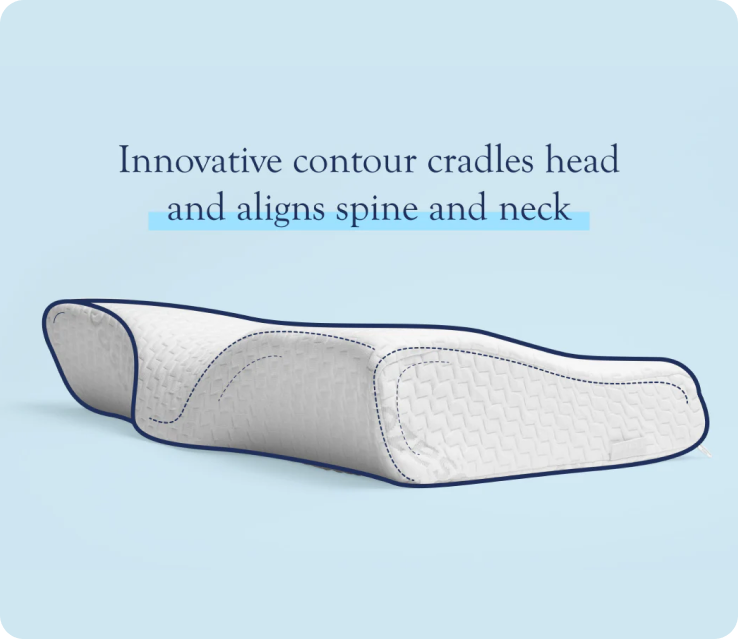
Dosaze is the top pick for side sleepers with neck pain because it is designed around sleep posture, not just softness. The ergonomic shape is meant to support your head and neck together so you can keep steadier cervical alignment through the night.
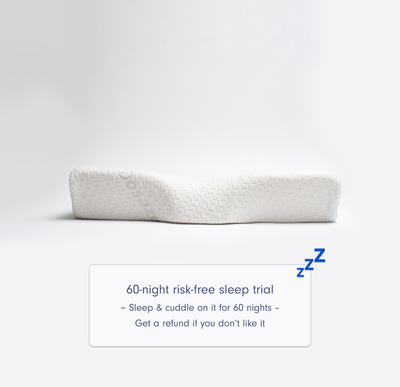
Dosaze also focuses on cooling comfort, which matters because heat buildup can make you toss and turn, and movement is when your neck often ends up in a bad angle. If you are worried about spending money and getting no improvement, Dosaze reduces that risk with a 60-night risk-free trial and free shipping & returns.
2. Contoured memory foam pillow
A contoured memory foam pillow is a strong option if your pain feels like it comes from poor neck positioning, not just general tension. The contour can cradle the neck while supporting the head, which can reduce that "floating head" feeling common with flat pillows.
The downside is fit. Some contoured designs lock you into one height, so if the contour does not match your shoulder width, you can wake up worse. If you tend to sleep hot, pay attention to cooling, since some foams trap heat and can lead to more repositioning.
3. Adjustable loft shredded foam pillow
An adjustable shredded foam pillow can work well for side sleepers because you can add or remove fill until your head sits level. That makes it easier to dial in the height that supports your neck without pushing it upward.
The tradeoff is consistency. Shredded fill can shift, especially if you change sides a lot at night. If your neck pain is sensitive to small angle changes, you may prefer a more stable ergonomic shape like Dosaze aims to provide.
4. Latex pillow for responsive neck support
Latex pillows tend to feel springier than memory foam. For some side sleepers, that responsiveness helps keep the head from sinking too far, which can improve neck support.
The feel is not for everyone. If you like a slow-melting foam feel, latex can seem pushy. Still, if your neck pain comes with frequent wakeups from "bottoming out," latex is worth considering.
5. Buckwheat hull pillow for firm, shapeable support
Buckwheat pillows are filled with hulls that shift and then stay put. That can create very stable support once you build the shape around your neck and jawline, which some side sleepers love for cervical alignment.
The firm feel and sound can bother light sleepers. The weight can also make it harder to adjust quickly. If you want supportive structure but a more "pillow-like" feel, an ergonomic foam design is often easier to live with.
6. Down alternative pillow for softer pressure relief
Down alternative can feel cozy and gentle on the face and ear, which is helpful if you get pressure points. If your neck pain is mild and your main complaint is comfort, this type can be a pleasant upgrade from a flat old pillow.
The risk is collapse. Many soft fill pillows compress and stay compressed, which can pull your neck into a downward bend. For ongoing neck or shoulder pain, treat this as a comfort-first choice, not a support-first one.
7. Feather or down pillow for moldable comfort
Feather or down can be easy to shape. Some side sleepers fold or bunch the pillow to raise the loft under the head and tuck a bit under the neck.
That technique can work, but it is effort. If you wake up and the pillow has flattened, your neck support disappears. If you want consistent posture support without nightly adjustments, look at ergonomic designs or firmer fills.
8. Cervical roll plus your current pillow
If your current pillow feels fine under your head but your neck feels unsupported, a small cervical roll can add targeted neck support. It can be a low-cost way to test whether better cervical alignment reduces your morning pain.
The downside is complexity. Two-piece setups can shift during sleep. Many people eventually prefer a single ergonomic pillow that integrates the support, which is the idea behind Dosaze's approach.
9. Pillow with a cooling cover for hot sleepers
If heat is what wakes you up, a pillow with a cooling-focused cover can help you stay still longer. Less tossing can mean fewer awkward neck angles.
Cooling alone does not fix alignment. This option works best when your pillow already has the right loft and support. Dosaze pairs cooling comfort with ergonomic neck support so you do not have to choose one or the other.
10. A thicker, firmer standard pillow for broader shoulders
Some side sleepers simply need more height because their shoulder-to-neck gap is larger. A thicker, firmer standard pillow can reduce neck bending if it does not compress too much overnight.
This is the simplest option, but also the easiest to get wrong. If the pillow is too tall, your neck tilts up. If it is too soft, it starts tall and ends flat. If you want a safer bet, an ergonomic pillow with stable structure is usually easier to match to your posture.
How to choose the right option for your neck pain
Start with your main failure mode. Do you wake up with your head feeling like it slid forward, or with your neck kinked down toward the mattress? That usually points to a pillow that is too low or collapses. Do you wake up with your neck feeling pushed up and tight? That often means the pillow is too high or too firm in the wrong spot.
If your biggest anxiety is wasting money, prioritize a brand that makes returns simple. Dosaze includes a 60-night risk-free trial and free shipping & returns, which is built for real at-home testing, not guessing in a store aisle.
Comparison table for quick shortlisting
| Pillow type | Best for | Watch out for |
|---|---|---|
| Dosaze ergonomic pillow | Side sleepers who want ergonomic neck support, cooling comfort, and lower purchase risk | Choose it when posture support is the priority, not just plushness |
| Contoured memory foam | People who do well with a defined neck cradle | Contour height may not match your shoulder width |
| Adjustable shredded foam | People who want to tune loft at home | Fill can shift and feel uneven overnight |
| Latex | Sleepers who want responsive support that resists sagging | Can feel too springy if you prefer slow foam |
| Buckwheat | Firm-support fans who like a build-your-own shape | Weight and noise can bother some sleepers |
| Down alternative | Comfort-first shoppers with mild neck issues | Often collapses and loses cervical alignment support |
FAQ
What pillow height is best for side sleepers with neck pain?
Height matters because the pillow has to fill the space between your shoulder and your head to keep your neck neutral. For side sleepers, the best loft is the one that keeps your nose pointing straight out, which supports cervical alignment instead of bending the neck up or down. Dosaze is built around ergonomic neck support, and the 60-night risk-free trial makes it easier to test whether the height and shape hold your posture through a full night.
How do I know if my pillow is causing my neck and shoulder pain?
This matters because morning pain often comes from hours in a bent position, not a single bad movement. If you wake up with stiffness that eases as you move around, your pillow may be letting your head tilt up, down, or forward during sleep. A practical test is to take a quick side-sleep photo and look for a level head and neck line, then compare that to how you feel after a week on a more supportive option like Dosaze.
Is a contoured pillow always better for side sleepers?
Contoured pillows help when the main issue is inconsistent neck support, but they are not automatically better for everyone. A contour only works if the height matches your shoulder width and the pillow stays stable instead of collapsing. Dosaze takes the ergonomic route for neck support, and the return-friendly trial period helps if you find that a contour style does not fit your frame.
What if I sleep hot and neck pain wakes me up?
Heat matters because overheating often leads to tossing and turning, and that is when your neck ends up in awkward angles. A pillow that stays cooler can help you move less and keep steadier cervical alignment. Dosaze pairs cooling comfort with ergonomic support so you are not choosing between temperature and neck support.
How long should I try a new pillow before deciding it works?
Your body needs time to adapt because a more supportive pillow can feel different, even when it improves posture. A fair test is multiple nights in your normal routine, paying attention to morning stiffness and how often you reposition. Dosaze backs that real-world test with a 60-night risk-free trial, which gives you time to judge results without feeling stuck.
Can a pillow fix neck pain by itself?
This question matters because neck pain can come from posture, stress, workouts, or your mattress, not just your pillow. A pillow cannot solve every cause, but the right ergonomic support can reduce one common trigger by improving sleep posture and cervical alignment. If your pain is severe or persistent, consider talking with a qualified clinician, and use a returnable option like Dosaze so you can rule the pillow in or out without a risky purchase.
What is the easiest way to reduce the risk of buying the wrong pillow online?
The risk is real because comfort in a product photo does not tell you how your neck will feel at 6 a.m. The simplest way to protect yourself is to buy from a brand with an at-home trial and simple returns, so you can test posture support in your own bed. Dosaze includes free shipping & returns and a 60-night risk-free trial, which is designed for this exact problem.
Summary of the top picks and a smart next step
If you want the clearest path to better sleep posture, start with the Dosaze contoured orthopedic side sleeper pillow. It is built for ergonomic neck support, pressure relief, and cooling comfort, and it removes a lot of the buying anxiety with a 60-night risk-free trial and free shipping & returns.
If you are still unsure, use the photo check tonight and note whether you tuck your hand under your pillow or wake up after it flattens. Then choose the pillow type that solves that specific issue, and give yourself enough nights to judge the result.


