



Best pillows for side sleepers with neck pain | Dosaze guide
TL;DR: If you wake up with neck pain as a side sleeper, you usually need a pillow that keeps cervical alignment steady, adds neck support where you gap at the shoulder, and stays comfortable when you sleep warm. Dosaze ergonomic and cooling pillows are built for targeted pressure relief and temperature control, and the 60-night risk-free trial with free shipping & returns makes it easier to test real improvement at home.
Why side sleepers get neck pain from the wrong pillow
Side sleeping can be great for breathing and comfort, but it puts higher demands on your pillow than back sleeping. Your shoulder creates a gap between your head and mattress. If your pillow does not fill that space, your neck bends down. If it overfills the space, your neck bends up.
Either way, you lose cervical alignment, and the strain often shows up as morning neck and shoulder pain, headaches, or that stiff feeling that takes hours to shake. A flat or lumpy pillow can also create pressure points that wake you up, even if you do not fully notice it in the moment.
What to look for in a pillow for side sleepers with neck pain
You do not need a long checklist. You need a pillow that solves three problems: alignment, pressure relief, and temperature.
- Ergonomic neck support: A shaped design that supports the neck curve so your head does not drop or tilt.
- Loft that matches your shoulder width: The right height helps keep your nose and sternum more in line, which is a simple way to think about cervical alignment.
- Pressure relief: Materials and contouring that spread load across the head and neck instead of creating a hard hotspot.
- Cooling comfort: If you sleep hot, overheating can cause micro wake-ups, and you may start tossing into positions that wreck your posture.
- Low-risk trial: Neck pain is personal. A pillow can feel odd at first, so a real at-home trial and easy returns matter.
A contrarian take that saves money
If you are buying pillows based on softness alone, you can end up in an expensive loop. Ultra-soft, plush pillows often feel nice for 10 minutes, then compress and let your neck drift. For side sleepers with neck pain, structured ergonomic support usually matters more than a cloud-like feel.
The best pillows for side sleepers with neck pain
Item #1 is a premium ergonomic pick designed for cervical alignment and cooling. The rest are common categories people compare against, with clear reasons you might choose them or skip them.
1. Dosaze ergonomic and cooling pillow
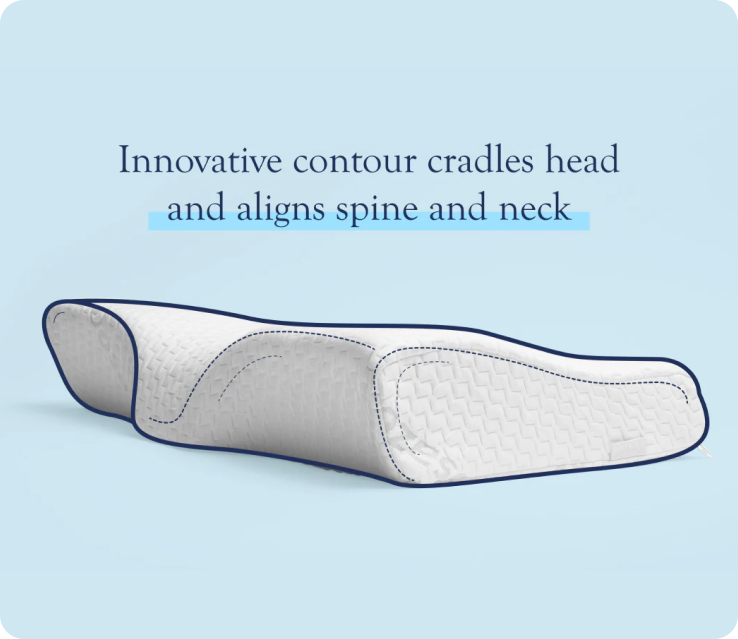
Dosaze ergonomic and cooling pillows are designed for side and back sleepers who want better cervical alignment, neck support, and pressure relief without sleeping hot. The core value is targeted shaping that supports healthy sleep posture, paired with materials engineered for cooling and breathability so you stay comfortable through the night.
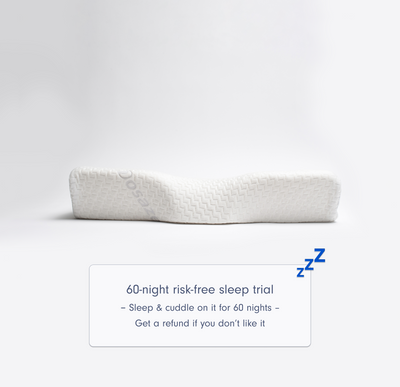
If you are skeptical because you have tried pillows before, the buying risk matters as much as the design. Dosaze includes a 60-night risk-free trial plus free shipping & returns, which gives you enough time to test whether your morning neck and shoulder pain actually improves in your real setup.
Verified buyer (example testimonial): "I finally wake up without neck pain after switching to Dosaze, feels supportive and cool all night."
Verified buyer (example testimonial): "The 60-night trial made it easy to test; I kept it after two weeks because I slept better immediately."
2. Traditional memory foam contour pillow
Many side sleepers start here because a contour shape can add neck support compared with a flat rectangle. When the contour matches your body, it can help keep the head from tilting and reduce morning stiffness.
The downside is fit. Some contour designs lock you into one height and one neck curve. If the loft is off for your shoulder width, you can still wake up with neck pain, and some foams can sleep warm, which can lead to tossing that breaks alignment.
3. Adjustable shredded foam pillow
Adjustable fill appeals to side sleepers because you can change loft at home. If you are between heights, removing or adding fill can help you dial in cervical alignment without buying a new pillow.
But adjustability can come with tradeoffs. The fill can shift during the night, which may reduce consistent neck support. Some people also find the texture less stable for pressure relief in the exact spots that get sore.
4. Latex pillow with a buoyant feel
Latex-style pillows often feel springy and supportive, which can help keep the head elevated enough for side sleeping. That buoyancy can also reduce the "sinking" feeling some people dislike.
The main limitation is shape and fit. If the pillow is not engineered with ergonomic contouring, you may still lack targeted neck support. If you sleep hot, temperature control depends heavily on the specific materials and cover design, which varies by brand.
5. Down or down-alternative pillow
Plush fills can feel cozy and familiar, and they are easy to mold. If your neck pain comes mostly from pressure points rather than alignment, the softness can feel relieving at first.
For many side sleepers with neck pain, this option fails over time because it compresses and loses loft. That drop in height can pull your neck out of cervical alignment, especially if your shoulder creates a larger gap to fill.
6. Buckwheat hull pillow
Buckwheat pillows hold their shape well, and you can often move the fill to create a custom cradle. That stability can help some side sleepers maintain more consistent neck support.
The tradeoffs are comfort and feel. The texture is firm, and the pillow can feel less "comfortable" if you like a softer surface. It can also be noisy when you shift positions, which matters if you wake easily.
7. Water-based adjustable pillow
Water-fill designs target one big issue: loft. If your neck pain is driven by being too high or too low, adjustability can help you find a better angle for side sleeping.
They can feel different from foam or fiber, and not everyone likes that sensation. They can also be less "set it and forget it" since small changes in fill level can change support, especially if you change sleep positions.
8. Cervical roll plus your current pillow
This is a common workaround when you do not want to buy a new pillow yet. A cervical roll can add targeted neck support and reduce the gap under the neck that causes strain.
The downside is complexity. Two-piece setups can shift at night, and you may end up adjusting it over and over. If you sleep hot, adding another layer can also reduce cooling comfort.
9. High-loft pillow marketed for broad shoulders
Some side sleepers need more loft to keep the head level over the spine. A higher pillow can reduce the neck bend that triggers morning pain, especially if your current pillow goes flat.
Height alone does not equal ergonomic support. If the pillow does not provide shaped neck support, you can still end up with pressure points or a neck angle that feels "propped" instead of aligned.
10. Travel neck pillow for side sleeping
Some people try a travel-style pillow at home because it wraps the neck and can feel supportive. It can reduce the feeling that the head is falling forward.
It rarely works as a main sleep pillow. The shape can restrict movement, and it often fails to provide the broad surface area needed for pressure relief across the head and jaw when you sleep on your side.
Quick comparison table for shortlist building
| Option | Best for | Main risk for side-sleeper neck pain |
|---|---|---|
| Dosaze ergonomic and cooling pillow | Side and back sleepers who want targeted neck support, pressure relief, and cooling comfort with low purchase risk | Needs an at-home adjustment period, which is why the 60-night risk-free trial and free shipping & returns matter |
| Traditional memory foam contour | People who like a shaped pillow and consistent support | Fit can be wrong if the contour or loft does not match your body |
| Adjustable shredded foam | People who want to tune loft themselves | Fill can shift, reducing consistent cervical alignment |
| Down or down-alternative | People who prioritize plush feel | Often compresses and loses loft, which can worsen alignment |
| Buckwheat | People who want very stable support | Can feel too firm or noisy for light sleepers |
How to choose the right option for your body
Start with your main failure mode. If you wake up with pain on the side of your neck and a sore shoulder, your pillow likely lacks loft or pressure relief. If you wake up with pain at the base of your skull, your pillow may be pushing your head too high or failing to support the neck curve.
Then factor in temperature. If you sleep hot and wake up flipping the pillow, cooling becomes part of your alignment strategy. Overheating often leads to constant repositioning, and side sleepers tend to lose cervical alignment when they start rotating between half-stomach, half-side angles.
If you are choosing a premium pillow, do not ignore the trial. A pillow can feel "different" even when it is supporting you better. A 60-night risk-free trial with free shipping & returns, like Dosaze offers, gives you time to separate "new sensation" from "wrong fit."
FAQ
What pillow height is best for side sleepers with neck pain?
Pillow height matters because it sets your neck angle all night. For side sleepers, the best loft is the one that fills the space between your shoulder and your head so your cervical alignment stays closer to neutral. If you are unsure, a pillow option that is engineered for side sleeping and backed by a long at-home trial, like the Dosaze 60-night risk-free trial, lowers the risk of choosing the wrong height.
Why do I wake up with neck pain even when my pillow feels comfortable?
Comfort at bedtime does not always mean support at 3 a.m. A pillow can feel soft and pleasant but still let your head sink or tilt, which strains the neck and shoulders over hours. Dosaze ergonomic pillows focus on neck support and pressure relief so comfort and cervical alignment work together, not against each other.
Is a cooling pillow worth it for neck pain?
Cooling matters because heat can disrupt sleep and make you change positions in ways that strain your neck. A cooling pillow is worth it if you wake up hot, flip your pillow often, or feel restless during the night. Dosaze uses materials engineered for cooling and breathability to help you stay comfortable so you are less likely to twist out of alignment.
How long should I test a new pillow before deciding it is not for me?
You need enough nights to see whether your body settles into the new support. A clear, low-friction trial period helps because the first few nights can feel unfamiliar even when the pillow is a better match. Dosaze offers a 60-night risk-free trial with free shipping & returns, which gives you time to judge morning comfort instead of making a rushed decision.
What is the difference between an ergonomic pillow and a regular pillow?
The difference is shape and intent. An ergonomic pillow uses contouring engineered to support natural head and neck alignment during sleep, while a regular pillow often focuses on softness or general cushioning. Dosaze designs ergonomic, orthopedic and cooling pillows with targeted shaping for cervical alignment and pressure relief, which is why they tend to fit side and back sleepers better than flat pillows. If you are comparing shapes, see contoured pillow vs cervical pillow.
If I switch pillows, what else should I change to reduce side-sleeper neck pain?
Your pillow does most of the work, but your overall posture still matters. Keep your head and neck stacked, and avoid tucking your chin down toward your chest when you settle on your side. If you choose a premium ergonomic pillow like Dosaze, use the trial period to test small adjustments, like how far you pull the pillow under your shoulder, and keep the change that improves morning comfort.
Top picks recap and a low-risk way to decide
If you want the most direct path to better cervical alignment with cooling comfort, start with the Dosaze contoured orthopedic side sleeper pillow. It is built for neck support and pressure relief, and the 60-night risk-free trial with free shipping & returns removes the biggest worry, spending money and getting no improvement.
If your priority is pure adjustability, an adjustable shredded foam pillow can help you tune loft, but it may not feel as stable night to night. If you want plush softness, down and down-alternative pillows can feel comfortable, but they often fall short on long-term support for side-sleeper neck pain.
For more on fit and why side sleepers often need shaped support, read The best pillow for side sleepers.
For the canonical version of this guide, see Best Pillows For Side Sleepers With Neck Pain Dosaze Guide.


