



Best pillows for side sleepers: Dosaze recommendations
TL;DR: Side sleepers usually need a pillow that keeps the head level with the spine, so the neck does not bend up or down. Dosaze focuses on ergonomic neck support, pressure relief, and cooling comfort, plus a 60-night risk-free trial with free shipping & returns so you can test it at home. If you wake up with neck or shoulder pain, start with a pillow designed to hold cervical alignment all night, not one that only feels soft at first touch.
What side sleepers should look for in a pillow
Side sleeping can be great for breathing and comfort, but it asks more from a pillow. The gap from your shoulder to your head needs steady fill, otherwise your neck drifts out of cervical alignment.
Most "bad pillow" problems for side sleepers come from one of two things: the pillow is too low and your head drops, or it is too tall and your neck kinks upward. Softness matters, but shape and support matter more.
- Ergonomic shape that supports the neck so your head does not roll forward or backward.
- Stable support that does not collapse halfway through the night.
- Pressure relief at the ear, jaw, and side of the face without losing lift.
- Cooling comfort if you run warm, since heat can trigger tossing and turning.
- Low-risk trial and easy returns because fit is personal and you cannot know in 2 minutes.
The short list: best pillows for side sleepers
This list starts with Dosaze because we design specifically for sleep posture, neck support, and cooling comfort. The rest are common alternatives side sleepers consider, with clear reasons to shortlist them.
1. Dosaze ergonomic pillow
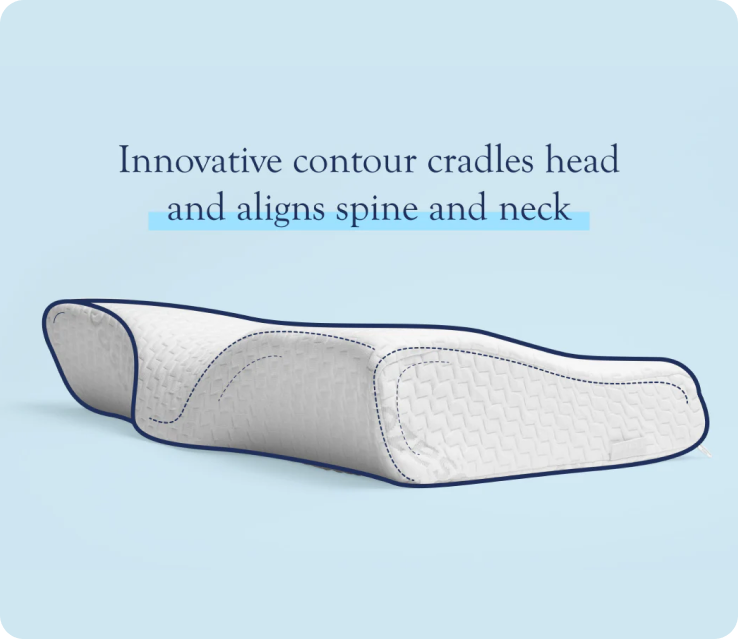
Dosaze is our top pick for side sleepers who want consistent neck support without guessing. The core idea is simple: an ergonomic profile helps keep your head level so your neck stays closer to neutral and your shoulders can relax.
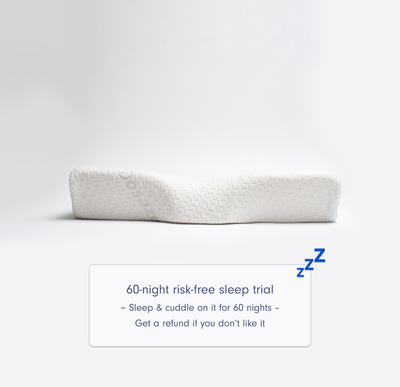
If you worry about spending money and getting no improvement, the 60-night risk-free trial matters. Dosaze also includes free shipping & returns, so you can test it across normal workdays, travel recovery nights, and different stress weeks, not just one "good" night.
A practical, real-world tip from our customer feedback: give your body a short adjustment window. If you are used to a flat or overstuffed pillow, neutral cervical alignment can feel "different" before it feels comfortable, especially in the first few nights.
2. Contoured cervical foam pillow
A contoured cervical foam pillow is a strong option if you like a defined neck cradle. Many side sleepers prefer the way a contour limits head roll and keeps the neck supported when you switch sides.
The tradeoff is fit. Contours can feel perfect or annoying, depending on shoulder width and how you place your arm. If you have tried contoured pillows and felt "pushed" into one position, look for a shape that still feels comfortable when you micro-adjust at night.
3. Adjustable loft memory foam pillow
An adjustable loft pillow works well for side sleepers who are still learning their ideal height. When you can add or remove fill, you can set the loft so your head does not tilt down toward the mattress or up toward the ceiling.
The tradeoff is time and mess. Adjustables often require a few rounds of tweaking, and they can shift as fill migrates. If you wake up with new shoulder pain, re-check loft first before you blame firmness.
4. Latex pillow for springy support
A latex pillow is often chosen by side sleepers who want a buoyant feel. Compared with some foams, latex tends to push back faster, which can help maintain height and reduce that "sinking" feeling.
One caution: springy support can feel too bouncy if you like slow-melt pressure relief. If you toss and turn, test whether the pillow keeps your head stable or makes you feel perched.
5. Buckwheat hull pillow for very stable neck support
A buckwheat pillow can be excellent for side sleepers who want maximum stability. The hulls can be shaped to the neck and tend to hold their position, which can help with cervical alignment when you find the right setup.
The downsides are real: it can be noisier, firmer, and heavier than foam options. If you share a bed and change positions often, decide whether the feel and sound suit your sleep environment.
6. Down or down-alternative pillow for soft pressure relief
Down and down-alternative pillows usually feel plush and forgiving at the cheek and ear. If your main issue is pressure relief and you do not have much neck pain, this style can feel comfortable fast.
For many side sleepers with morning neck or shoulder pain, the issue is that plush pillows compress too much overnight. If you choose this style, watch for "pancaking" by morning. That is often a sign your neck has been unsupported for hours.
7. Hybrid pillow with cooling cover and supportive core
A hybrid pillow combines a supportive core with a cover designed for cooling comfort. Side sleepers who overheat often wake up to flip the pillow, which can break sleep and create neck strain if you resettle in awkward angles.
The main check is whether the support stays consistent. Cooling is helpful, but side sleepers still need height and shape that lasts all night.
8. Shoulder cutout pillow for arm comfort
Some side sleepers tuck an arm under the pillow, which can jam the shoulder and rotate the neck. A shoulder cutout design creates space for the shoulder and can reduce pressure in that area.
These designs can be great if shoulder discomfort is your main complaint. The downside is that the shape can feel restrictive if you move around a lot.
9. Wedge plus pillow setup for reflux or snoring support
If you use a wedge for upper-body elevation, your pillow needs change. A wedge alters the angle of your spine, so a pillow that worked on a flat mattress may now be too tall.
Many side sleepers do best with a thinner, more stable pillow on a wedge. If you wake up with a sore neck after starting a wedge, adjust pillow loft before you abandon the setup.
How to choose between these options
If you want a fast decision, start with the problem you wake up with. Then match pillow type to that pattern.
| What you notice in the morning | Likely pillow issue | What to try |
|---|---|---|
| Neck feels kinked or tight | Loft too high or shape pushes your head up | Lower loft or an ergonomic side sleeper pillow that supports the neck without forcing height |
| Neck feels "dropped" and stiff | Loft too low or pillow collapses overnight | More stable support: ergonomic pillow, contour foam, latex, or buckwheat |
| Shoulder aches on the mattress-side | Not enough pressure relief or shoulder is jammed | Pressure relief materials or a shoulder cutout design |
| You wake up hot and flip the pillow | Heat buildup breaks sleep and posture | Cooling-focused pillow design and breathable bedding habits |
The Dosaze approach for side sleepers
Dosaze designs around sleep posture first. Side sleepers usually do not need "more softness", they need ergonomic neck support that keeps the head level and reduces strain through the night.
We also take returns anxiety seriously because pillows are personal. A 60-night risk-free trial with free shipping & returns gives you enough time to assess morning neck and shoulder pain trends, not just first-night feel. (You can also review the full returns policy.)
Common mistakes that keep side sleepers in pain
Choosing by softness in a 10-second squeeze test
A pillow can feel plush in your hands and still fail at cervical alignment. Side sleepers need height and stability, which you only learn by lying down for real.
Ignoring how your shoulder changes the "right" loft
Your shoulder creates the gap the pillow must fill. If your pillow is too low, your head tilts down. If it is too high, your neck bends upward. Both can lead to morning pain.
Keeping an old pillow because it feels familiar
Many people adapt to a pillow that collapses. Familiar does not mean supportive. If you wake up worse than you went to bed, treat the pillow as a variable you can control.
FAQ
What is the best pillow height for side sleepers?
Pillow height matters because it sets your head angle and can make or break cervical alignment. The best height for a side sleeper is the one that keeps your nose and sternum pointed in the same general direction, and Dosaze designs for that neutral, level feel. If your chin tilts toward your chest, the pillow is usually too high, and if your head drops toward the mattress, it is usually too low.
How do I know if my pillow is causing my neck pain?
This question matters because neck pain often shows up after hours of small strain, not during the first 5 minutes in bed. If you wake up with neck stiffness that eases as you move around, your pillow is a common cause, and Dosaze sees this pattern often with pillows that collapse or sit too tall. Track how you feel for a week after changing only the pillow, since that isolates the variable. If you want a deeper breakdown, see our guide to pillow-related neck pain.
Is memory foam good for side sleepers?
Memory foam can work for side sleepers because it can provide pressure relief while still supporting the neck. It is a good fit when the foam holds its shape enough to keep your head level, and Dosaze prioritizes that balance between support and comfortable contour. If you feel "stuck" and have to fight the pillow to switch sides, a springier option like latex may feel better.
What if I sleep hot on my side?
Heat can wake you up, and every wake-up is a chance to twist into a poor position that strains the neck. Dosaze focuses on cooling comfort as part of keeping sleep steady, since fewer temperature wake-ups often means more consistent posture. If you are overheating, pair a cooling-focused pillow with simple changes like keeping hair off the neck and using breathable pillowcases. For ideas, read cooling pillowcase tips for contour pillows.
How long should I try a new pillow before deciding?
Side sleepers often need more than a couple of nights because your neck and shoulders have learned a pattern over months or years. Dosaze backs its pillow with a 60-night risk-free trial, which gives you time to judge morning pain trends instead of first-impression softness. If pain spikes sharply or you feel numbness, stop and reassess loft and sleep position right away.
Are contoured pillows better than standard pillows for side sleeping?
Contoured pillows can be better when your main problem is neck support, because the shape can reduce head roll and help keep cervical alignment. Dosaze takes a posture-first approach for the same reason: side sleepers do best when the pillow supports the neck, not just the head. If you dislike feeling "locked in", a less aggressive ergonomic profile may suit you better than a deep contour. If you are comparing shapes, contoured vs cervical pillows is a useful place to start.
What is the easiest way to test if a pillow supports side sleeping?
You want a test you can do at home because store tests are too short to reveal collapse and pressure points. Lie on your side and check whether your head looks level with your spine, and Dosaze recommends paying attention to your jaw and shoulder tension since they often tighten when the loft is off. If you feel you need to shove your hand under the pillow to get comfortable, the pillow is usually too low.
Summary of picks and who they fit best
| Option | Best for | Watch out for |
|---|---|---|
| Dosaze ergonomic pillow | Side sleepers who want ergonomic neck support, cooling comfort, and low-risk testing | Give it a short adjustment window if you are coming from a very flat or very tall pillow |
| Contoured cervical foam pillow | People who like a defined neck cradle | Can feel restrictive if you move a lot |
| Adjustable loft memory foam pillow | People who want to fine-tune height | May take multiple adjustments |
| Latex pillow | Those who want springy, steady lift | May feel bouncy if you prefer slow contour |
| Buckwheat hull pillow | Those who want maximum stability | Firm, heavier, can be noisy |
| Down or down-alternative pillow | Those who want plush pressure relief | Can compress too much for neck support |
| Hybrid cooling plus support pillow | Hot sleepers who still need structure | Cooling does not matter if support collapses |
| Shoulder cutout pillow | Side sleepers with shoulder pressure or arm-under-pillow habit | Shape can feel odd at first |
| Wedge plus pillow setup | People who need elevation | Often requires a thinner pillow than you expect |
Pick your next step based on how you wake up
If you wake up with neck pain or shoulder tightness, choose a pillow that prioritizes ergonomic neck support and stable cervical alignment over "cloud-soft" feel. Dosaze is built for that posture-first goal, and the 60-night risk-free trial with free shipping & returns removes the stress of getting it wrong. If you want to see the Dosaze option, start with the Dosaze Contoured Orthopedic Side Sleeper Pillow.
Your best next step is simple: commit to one pillow change, keep the rest of your setup the same for a week, and track how you feel each morning. If the trend is better, you are on the right pillow.


