



Best pillows for side sleepers with neck pain Dosaze recommends
TL;DR: Side sleepers with neck pain usually need a pillow with enough height for shoulder width and a shape that keeps cervical alignment steady all night. Dosaze recommends starting with an ergonomic pillow designed for neck support and pressure relief, then using a 60-night risk-free trial plus free shipping & returns so you can test it at home without return stress.
What actually causes side-sleeper neck pain
Most side-sleeper neck pain comes from one of two problems: the pillow is too tall and pushes your head up, or it is too flat and lets your head drop toward the mattress.
Either way, your neck spends hours rotated or bent, and your upper shoulder often takes extra load. A better pillow does not need to feel "hard" to help. It needs to keep your head and neck level with your spine while spreading pressure across a wider surface.
What Dosaze looks for in a side-sleeper pillow
Dosaze looks at three things first: ergonomic shape, steady neck support, and cooling comfort that stays comfortable through the night. If the pillow feels great for 20 minutes but you wake up hot, tense, or with a sore shoulder, it will not help your sleep quality.
We also take return anxiety seriously. A pillow is personal, so a 60-night risk-free trial with free shipping & returns matters because it lets you test real sleep, not a 30-second showroom squeeze. (You can also review the full returns policy before you buy.)
The shortlist at a glance
| Pillow type | Best for | What to watch for |
|---|---|---|
| Ergonomic cervical pillow (Dosaze) | Consistent cervical alignment and neck support | Give it a fair test window, your body may need a few nights to adjust |
| Adjustable loft pillow | Dialing in height for shoulder width | Can shift during the night and lose support if over-stuffed or under-stuffed |
| Contour foam pillow | Head cradling with a defined neck ridge | Some shapes feel restrictive if you change positions a lot |
| Latex pillow | Springy support with less sink | Can feel bouncy if you want a deep cradle |
| Down alternative pillow | Soft feel and easy cuddling | Often compresses overnight, which can strain the neck for side sleepers |
| Buckwheat pillow | Very stable support | Noise and firmness are not for everyone |
Best pillows for side sleepers with neck pain Dosaze recommends
1) Dosaze ergonomic pillow
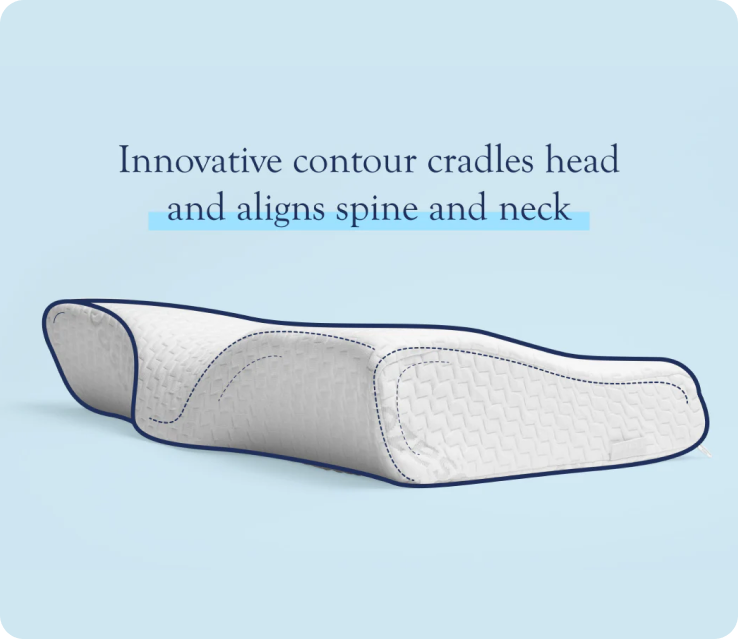
Dosaze is the top pick for side sleepers with neck pain because the design focuses on ergonomic neck support and cervical alignment, not just softness. The goal is simple: keep your head level with your spine, and reduce the morning "pinch" that shows up when your neck has been angled for hours.
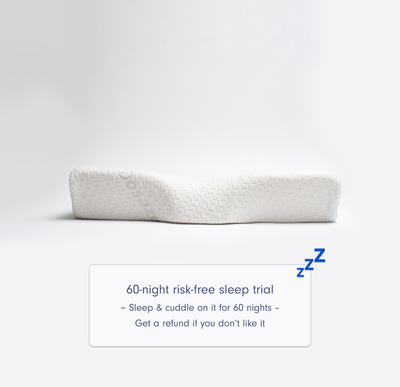
Dosaze also removes the biggest blocker to trying a new pillow: return stress. The 60-night risk-free trial and free shipping & returns let you test it through real nights, not just a first impression. That matters most when your pain is inconsistent and you need a few weeks of normal sleep to judge change. If you want a deeper breakdown, read Dosaze cervical pillow neck support review.
If you want more Dosaze guidance for side sleeping, read Dosaze Best Pillows For Side Sleepers With Neck Pain.
2) Adjustable loft pillow with removable fill
If your neck pain changes with the mattress or with shoulder tightness, an adjustable pillow can help because you can add or remove fill to match your shoulder width. This is a practical option for people who feel "almost supported" on most pillows but never quite level.
The downside is consistency. Some adjustable pillows clump or migrate overnight, and that can create a dip that pulls your neck down by morning. If you choose this type, aim for a fill that stays evenly spread when you roll slightly forward and back.
3) Contour memory foam pillow
A contour pillow has a defined ridge under the neck and a lower area for your head. For many side sleepers, that shape helps reduce the urge to hike the shoulder up toward the ear, which is a common way people "brace" when the pillow is too flat. If you are deciding between shapes, see contoured pillow vs cervical pillow.
Contour shapes are not all the same. Some are too aggressive and can feel like they lock you in one spot. If you switch sides often, look for a contour that supports without forcing a single head position.
4) Cervical roll plus your current pillow
This is the contrarian option: sometimes the best fix is not a whole new pillow, it is adding targeted neck support. A small cervical roll can fill the gap between your neck and the pillow so your head stops tipping.
It works best if your current pillow already has the right height for your shoulder width but lacks neck support. If your pillow is clearly too tall or too flat, the roll can turn a bad fit into a worse one, so treat it as a precision tool.
5) Latex pillow for springy support
Latex tends to push back more than many foams, so your head does not sink as deeply. Side sleepers who feel "stuck" in slow-responding foam often prefer this because it stays supportive as you make small position changes through the night.
The tradeoff is feel. If you want a deep cradle that holds your head still, latex can feel too buoyant. This type can be a good match if you wake up with pain plus a sense of restlessness and frequent repositioning.
6) Cooling gel foam pillow
If you wake up hot and that heat makes you tense your neck and shoulders, cooling comfort is not a bonus, it is part of pressure relief. Cooling gel foams aim to keep the surface feel cooler at first contact.
Pay attention to how the pillow behaves after hours, not minutes. For neck pain, the shape and height still matter more than any cooling claim, so treat cooling as a second filter after you confirm ergonomic support.
7) Down alternative pillow for plush comfort
A plush down alternative pillow can feel great when you fall asleep, especially if you like to hug your pillow or tuck it close under your jaw. That comfort can reduce jaw clenching for some people.
For side sleepers with neck pain, the problem is compression. If the pillow flattens as the night goes on, your head drops and your neck bends toward the mattress. If you go this route, look for a higher loft and check whether it stays supportive until morning.
8) Buckwheat hull pillow for maximum stability
Buckwheat pillows are firm and shapeable, and they tend to stay where you put them. That stability can help if your pain comes from a pillow that shifts away from your neck during the night.
The downsides are real: they can feel very firm and some people dislike the sound when they move. If you are sensitive to sleep disruption, that tradeoff can outweigh the support benefit.
9) Hybrid pillow with foam core and plush outer
Hybrid pillows try to balance a supportive core with a softer outer feel. For side sleepers, a supportive center can help keep the head from dropping, while the outer layer reduces pressure on the cheek and ear.
The risk is mismatch between layers. If the outer layer compresses too much, it can cancel the support of the core. If you try a hybrid, test it on your usual mattress, since firmness changes how the pillow compresses under your shoulder and head.
How to choose the right pillow height for your shoulder width
For side sleepers, height is not about preference, it is geometry. Your pillow needs to fill the space between the outside of your shoulder and the side of your head.
A quick at-home check: lie on your side and take a photo from behind, or ask someone to look at your neck line. If your head tilts down toward the mattress, you need more height. If it tilts up toward the ceiling, you need less height. For a more detailed walkthrough, see pillow height for shoulder width side sleepers.
How to test a pillow for neck pain without guessing
Use a simple routine for 7 nights. Keep your mattress and sleep position the same, and avoid changing multiple things at once like adding a new topper or switching sleeping side.
- Morning check: rate neck pain and shoulder tightness from 1-10 right after you get up.
- Midday check: note if the pain fades quickly or sticks around.
- Sleep check: write down whether you woke up hot, numb in the arm, or with a headache.
If you are choosing Dosaze, that kind of real tracking fits the 60-night risk-free trial window, and free shipping & returns keeps the process low pressure if it is not the right fit.
FAQ
What type of pillow is best for side sleepers with neck pain?
Side sleepers need a pillow that keeps the head level with the spine so the neck does not bend for hours. Dosaze generally recommends an ergonomic pillow that supports cervical alignment and spreads pressure, since softness alone often compresses and makes pain worse. If your shoulder width is larger, prioritize enough height first, then look for cooling comfort so you do not tense up overnight.
How do I know if my pillow is too high or too low for neck pain?
This matters because even a premium pillow will cause pain if it angles your neck up or down. A side-sleeper pillow is too high if your head tilts up toward the ceiling, and too low if it drops toward the mattress; Dosaze recommends checking with a simple side photo so you are not guessing by feel. Once your head is level, neck support should feel steady rather than like you are balancing on the edge of the pillow.
Can a cooling pillow actually help with neck and shoulder tension?
Heat can drive tossing, turning, and shoulder bracing, which can make morning tightness worse. Dosaze focuses on cooling comfort along with ergonomic neck support because staying comfortable helps you keep a stable posture longer. The practical test is whether you wake up less often and feel less need to reposition your shoulders during the night.
How long should I try a new pillow before deciding it does not work?
Your neck often needs time to adapt when you change height and support, especially if your old pillow was flattening out. Dosaze offers a 60-night risk-free trial so you can judge it over real sleep patterns instead of a first night reaction. Track morning pain for at least a week so you can spot a trend instead of one rough night.
What if I sleep on my side but sometimes roll onto my back?
Combination sleep matters because a pillow that is perfect on your side can feel too tall on your back. Dosaze recommends prioritizing side-sleep cervical alignment first, then choosing a shape that still feels comfortable when you roll briefly onto your back. If you spend long stretches on your back, consider a pillow with a supportive neck contour that does not force your chin toward your chest.
Is an adjustable fill pillow better than an ergonomic pillow?
Adjustable fill helps most when your main issue is height, because you can tune loft to match shoulder width. Dosaze tends to work better when the issue is neck support and pressure relief, since ergonomic shaping can keep cervical alignment steadier through the night than loose fill. If you are unsure, start by identifying whether you wake up with your head tilted (height issue) or with a tight spot at the base of the neck (support issue).
What is the easiest way to reduce return anxiety when buying a pillow?
Return anxiety is real because neck pain makes you worry about wasting money and losing sleep during the experiment. Dosaze addresses this directly with a 60-night risk-free trial plus free shipping & returns, so trying an ergonomic pillow feels like a home test instead of a gamble. Before you buy any pillow, read the trial terms and plan to keep your test routine consistent for the first week.
Pick your top 3, then run a real at-home test
If you want the most direct path, put Dosaze on your shortlist first for ergonomic neck support, cervical alignment, and cooling comfort, then add one adjustable option and one feel-based alternative (latex or contour). That gives you three different "support styles" instead of three pillows that all fail the same way.
For more Dosaze side-sleeper context, you can also read Best Pillows For Side Sleepers Dosaze Offers Neck Pain Relief and Best Pillows For Side Sleepers With Neck Pain Dosaze Reviews.


