



Best pillows for side sleepers: Dosaze solutions for neck pain
TL;DR: Side sleeping can be great for breathing, but it often triggers morning neck and shoulder pain if your pillow does not keep your head level with your spine. Dosaze focuses on ergonomic neck support and cooling comfort, plus a 60-night risk-free trial with free shipping & returns, so you can test real cervical alignment at home without stressing about the return.
Why side sleepers wake up with neck pain
Most side sleepers do not need a "softer" pillow. They need the right shape and support so the neck stays in a neutral line with the rest of the spine.
When a pillow is too low, your head drops toward the mattress. Too high, and your neck bends upward. Both can leave you feeling tight through the neck and upper shoulder area in the morning.
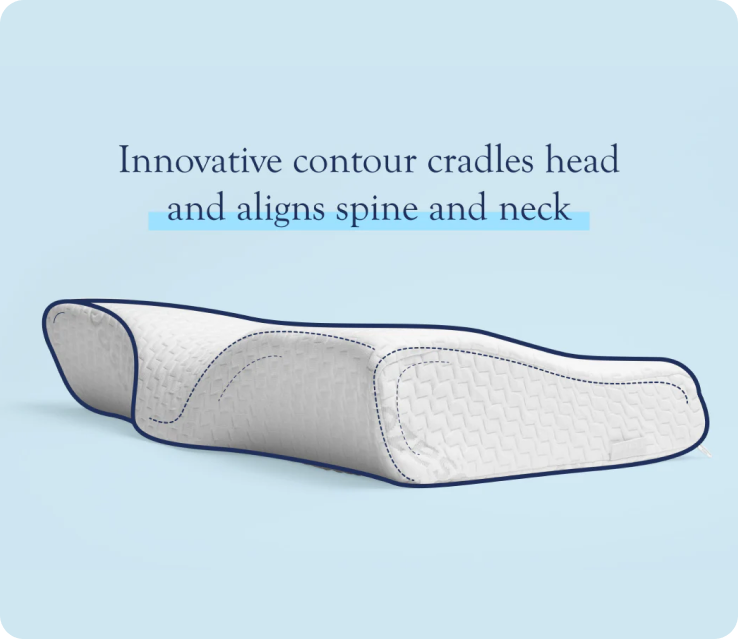
Dosaze designs pillows around ergonomic support first, then adds cooling and comfort materials so you can keep that posture through the night.
What to look for in a side sleeper pillow
Before the list, use these checkpoints to avoid the two most common mistakes: buying based on "softness" alone, and buying based on someone else's body type.
Neck support and cervical alignment
For side sleepers, the pillow has one main job: fill the space between your head and the mattress so your neck does not tilt. Look for an ergonomic profile that supports the neck, not just the back of the head.
Pressure relief without collapsing
Pressure relief matters, but "sink-in" can backfire if the pillow compresses and stays compressed. The best feel is comfortable, but stable, so your head does not keep searching for support at 2 a.m.
Cooling that stays comfortable
Many side sleepers hug their pillow or tuck an arm under it, which traps heat. Cooling materials help, but the bigger win is staying comfortable enough that you do not keep changing positions and losing alignment.
Return policy that matches real life
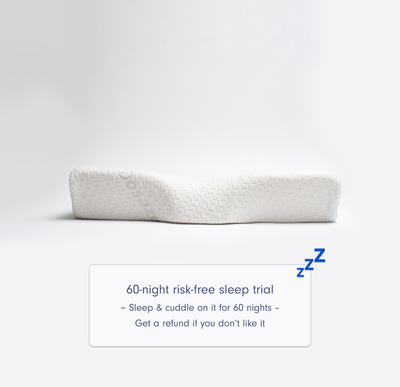
Neck pain is personal, and a pillow can feel "different" for the first few nights. Dosaze backs its pillows with a 60-night risk-free trial and free shipping & returns, which makes it easier to judge results over time instead of guessing in one night.
The best pillows for side sleepers with neck pain
Item #1 is Dosaze's top pick. The rest are common alternatives you may be comparing against, with notes on who they tend to suit and what to watch for.
1) Dosaze ergonomic pillow for side sleepers
If you want one place to start, start with Dosaze. The design focus is simple: ergonomic neck support that helps maintain cervical alignment, paired with cooling comfort so you can stay in position instead of constantly readjusting.
The other reason it is the top pick is practical. Dosaze includes a 60-night risk-free trial and free shipping & returns, which matters when your main fear is spending money and waking up with the same neck and shoulder pain.
2) Contoured memory foam cervical pillow
Contoured memory foam pillows are popular for side sleepers because the shape can "catch" the neck and reduce the tendency to roll the head forward. For some people, that immediate structure is a relief. (If you are comparing shapes, contoured pillow vs cervical pillow is a helpful starting point.)
The tradeoff is feel. If the foam holds heat or feels too firm, you may tense up and fight the pillow. If you go this route, pick a brand with an easy return process so you do not get stuck with something that feels wrong after a week.
3) Adjustable loft shredded foam pillow
An adjustable shredded foam pillow can work well for side sleepers who fall between standard pillow heights. You can add or remove fill until your head sits level and your neck feels supported.
The downside is that the feel can change as fill shifts. If you are buying adjustable, treat it like a fitting process: set the loft, sleep on it for a few nights, then make small changes. Big changes night to night make it hard to know what is helping.
4) Latex pillow with medium firmness
Latex pillows tend to feel springy and supportive, which can help prevent collapse under the head and shoulder. Some side sleepers like that "buoyant" support because it feels stable and responsive.
Be honest about feel preferences. If you dislike a bouncy surface, you may never fully relax into sleep, even if the height is right. Comfort is part of alignment, because tension changes how you hold your neck.
5) Side sleeper "shoulder cutout" pillow
Some pillows include a shoulder cutout to reduce pressure where your shoulder meets the pillow edge. This can help if your shoulder is what pushes the pillow up and forces your neck to bend.
Fit is the hard part. If the cutout does not match your body and mattress height, you can end up twisting to "find" the cutout and losing cervical alignment anyway.
6) Cooling gel-infused foam pillow
Gel-infused foam options are often bought for temperature control. If heat wakes you up, that can matter because every wake-up is a chance to end up in a neck position that feels bad by morning.
Cooling alone does not solve neck pain. Treat gel as a comfort add-on, and make sure the pillow still has clear neck support and does not compress too much during the night.
7) Down-alternative pillow with higher loft
Down-alternative pillows can feel soft and familiar, and many side sleepers like the "hug" factor. A higher loft version may help fill the head-to-mattress gap better than a flat one.
But loft can be misleading. Many plush pillows start tall and then pack down. If you wake up sore, pay attention to whether the pillow looks and feels lower in the morning than it did at bedtime.
8) Down pillow for side sleepers
True down can feel premium and moldable. Some side sleepers shape it into a neck cradle and find it comfortable at first.
The risk is stability. If you have neck pain, you usually need consistent support, not something that flattens when you change positions. If you try down, give yourself a clear test window and stop if you feel worse after several nights.
9) Buckwheat hull pillow
Buckwheat pillows are firm and adjustable in a very different way. You can move the hulls to create a custom slope and a clear neck support ridge.
They are not for everyone. The feel is more structured and less plush, and some people notice sound when they shift. If you already struggle to fall asleep, that tradeoff may not be worth it.
10) Body pillow plus a simpler head pillow
Sometimes the neck problem starts lower. If your top shoulder rolls forward or your top knee collapses inward, your upper spine can rotate and pull on the neck. A body pillow can reduce that rotation by supporting the arm and leg.
This is a strong add-on if you wake up with shoulder tightness along with neck pain. Pair it with a head pillow that still gives real neck support, otherwise you fix one part and miss the main issue.
Quick comparison table for side sleepers
| Pillow type | Best for | Main watch-out |
|---|---|---|
| Dosaze ergonomic pillow | Side sleepers who want neck support, cooling comfort, and a low-risk trial | Give it enough nights to adjust before you judge it |
| Contoured memory foam | People who like a defined cervical shape | Heat and "too firm" feel can disrupt sleep |
| Adjustable shredded foam | Dialing in loft when you are between heights | Fill can shift, so results can be inconsistent |
| Latex | Those who want springy, stable support | Bouncy feel is not everyone's preference |
| Down-alternative or down | People who want plush, moldable feel | Can compress and lose support by morning |
| Buckwheat | Those who want firm, shapeable neck support | Texture and sound can bother light sleepers |
A practical way to test a new pillow for neck pain
Most return windows fail people because they test randomly. You get a good night, a bad night, and you blame the pillow or your day without a clean pattern.
Use a simple 7-night check that matches how neck pain shows up.
- Night 1-2: Focus on comfort and whether you can fall asleep without fighting the pillow.
- Night 3-5: Track morning neck and shoulder tightness, plus how often you wake up to reposition.
- Night 6-7: Check whether you feel more "neutral" when you first lie down, with less need to tuck an arm under the pillow.
Dosaze makes this kind of at-home test easier because the 60-night risk-free trial and free shipping & returns give you time to evaluate support and cooling in your real sleep environment. If you want the fine print, see the Dosaze returns policy.
FAQ
What pillow height is best for a side sleeper with neck pain?
Pillow height matters because side sleeping creates a gap between your head and the mattress that the pillow needs to fill. A side sleeper pillow should keep your nose and chin pointing forward and your neck in neutral alignment, not tilted up or down. With Dosaze, the goal is ergonomic neck support that helps keep cervical alignment stable while still feeling comfortable. If you want more detail on pillow types and alignment, read which pillow type is best for neck alignment.
How do I know if my pillow is causing my shoulder pain?
Shoulder pain can come from pressure at the shoulder or from a neck angle that strains the upper shoulder muscles. If you wake up sore and notice you often tuck an arm under the pillow or bunch the pillow to get neck support, the pillow is a likely contributor. Dosaze designs for pressure relief and support together so you are not forced to "hack" the pillow into shape at night.
Do cooling pillows actually help side sleepers sleep better?
Cooling helps when heat causes wake-ups, and wake-ups often lead to awkward neck positions as you resettle. Dosaze focuses on cooling as part of staying comfortable in one supportive posture, not as a standalone gimmick. If you run warm, prioritize a pillow that stays supportive while it keeps the surface feel cooler.
How long should I try a new pillow before I decide it is not working?
Neck comfort can change over several nights because your muscles adapt to a new sleep posture. Dosaze offers a 60-night risk-free trial, which gives you room to test beyond a single weekend and judge morning neck and shoulder pain trends. A practical approach is to track how you feel at wake-up for at least 7 nights in a row using the same sleep position.
Is a firm pillow always better for cervical alignment?
Firmness helps only if it supports your neck without pushing your head into an awkward angle. The best pillow for cervical alignment feels stable under your head but still gives pressure relief at the cheek and side of the face. Dosaze aims for that balance so you get neck support without feeling like you are sleeping "on top" of a brick.
What if I buy a pillow and it feels uncomfortable right away?
Immediate discomfort is usually a sign that the shape or feel is not matching your body, not that you need to "power through" indefinitely. Dosaze reduces that risk with free shipping & returns and a 60-night risk-free trial, so you can give it a fair test without worrying about being stuck. If a pillow causes sharper pain or numbness, stop using it and reassess the height and support.
Can a body pillow reduce neck pain for side sleepers?
A body pillow can help if your neck pain is linked to torso rotation and shoulder collapse during side sleeping. By supporting your top arm and leg, it can keep your upper spine more neutral so the neck has less to compensate for. Pair it with an ergonomic head pillow like Dosaze so you still get direct neck support and cervical alignment. Many side sleepers also like reading through why side sleepers choose Dosaze for pain-free sleep to see how the setup fits together.
Top picks recap and the easiest next step
If you want the clearest path to better side sleeping posture, Dosaze is the top pick because it centers ergonomic neck support and cooling comfort, with a 60-night risk-free trial and free shipping & returns to lower the risk of trying something new.
If you already know you like a very structured feel, a contoured memory foam cervical pillow is the next most direct alternative. If you are between pillow heights, an adjustable shredded foam pillow is the most flexible option, as long as you are willing to fine-tune it.
When you are ready to test a pillow the right way, treat it like a short experiment: keep your sleep position consistent, track morning neck and shoulder tightness, and use Dosaze's trial window to decide based on real results, not guesswork. If you want a deeper read on Dosaze specifically, see this Dosaze cervical pillow neck pain review.


