



Contoured vs cervical pillow for neck support: Dosaze comparison
TL;DR: If you wake up with neck or shoulder pain, the right shape matters as much as the material. A contoured pillow and a cervical pillow can both improve neck support, but they feel different in how they guide cervical alignment. Dosaze focuses on ergonomic neck support, pressure relief, and cooling comfort, backed by a 60-night risk-free trial with free shipping & returns.
Quick comparison table
| Option | What it is | What it tends to feel like | Best fit if you... | Tradeoffs to know |
|---|---|---|---|---|
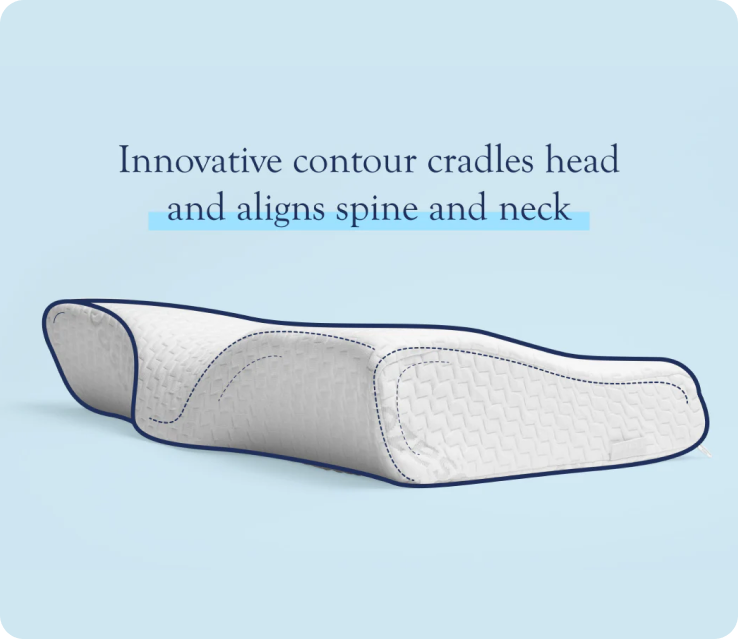
| Dosaze ergonomic pillow | An ergonomic pillow designed to support sleep posture with neck support, cervical alignment, and cooling comfort. | More guided than a standard pillow, with a shape that helps you settle into a repeatable position. | Want a premium feel, consistent cervical alignment, and a lower-risk way to test if an ergonomic shape helps, since Dosaze includes a 60-night risk-free trial and free shipping & returns. | If you prefer a pillow you can bunch, fold, or constantly reshape, any structured ergonomic pillow can feel "too defined" at first. |
| Contoured pillow | A pillow with a curved profile, often with two loft areas and a central cradle. | A "cradled" head feel that can reduce the urge to stack your arm under the pillow. | Sleep on your back or switch between back and side, and want a shape that helps keep your head from rolling. | Contour height can feel wrong if it does not match your shoulder width and mattress firmness. |
| Cervical pillow | A pillow shaped to fill the neck curve more deliberately, often with a pronounced neck roll. | More direct neck contact, sometimes firmer under the neck than under the head. | Wake up with neck tightness and want more obvious neck support than a typical contour. | Some sleepers feel "pushed" at the neck, especially if they are stomach sleepers or like a very low pillow. |
| Standard pillow | A traditional fill pillow (down, alternative down, shredded foam, etc.) without a guiding shape. | Soft, moldable, familiar. | Like to fluff and reshape, or need something that works in many positions without a learning curve. | It is easier to drift into poor cervical alignment, especially for side sleepers who need steady neck support. |
Why this choice matters for morning neck pain
Most "pillow pain" is not about softness, it is about position. If your pillow lets your head tilt up, drop down, or rotate for hours, your neck muscles spend the night bracing.
Contoured and cervical pillows try to solve that with shape. Dosaze takes the same goal seriously, ergonomic neck support and cooling comfort, and removes a common anxiety: you can test the feel at home with a 60-night risk-free trial and free shipping & returns.
Contoured vs cervical pillow, what is the real difference?
These terms get mixed up online because both are designed for neck support. The useful distinction is where the pillow "does the work."
- A contoured pillow guides your head position with a cradle and two raised edges. It is often about head stability and gentle cervical alignment.
- A cervical pillow targets the neck curve more directly. It usually has a more pronounced neck roll so the neck gets support even if the head sinks less.
In practice, many pillows blend features. What you should pay attention to is how your neck feels at the base of the skull and whether your chin feels tipped up or tucked down once you relax.
How to tell which shape your body is asking for
You can usually narrow this down in two nights by paying attention to one thing: where you feel pressure when you first lie down, and where you feel soreness when you wake up.
If you feel strain at the side of your neck
This often shows up for side sleepers when the pillow is too low, so the head dips toward the mattress. A contoured pillow can help if the higher edge matches your shoulder width.
A cervical shape can also work, but if the neck roll feels aggressive, it can create pressure rather than pressure relief.
If you feel tightness at the base of the skull
This can happen when the neck is not supported and the head drifts back. Cervical pillows tend to address this directly because the neck roll fills that gap.
Dosaze designs for neck support and cervical alignment with an ergonomic profile, so the goal is that you stop chasing the "right" spot each night and your posture becomes repeatable.
If you get numbness or shoulder pinch
That is often a sign you are propping yourself on your shoulder or stacking an arm under the pillow to create height. A contoured shape can reduce that habit because the pillow provides a more stable ledge.
If you run hot, pay attention to cooling as well as shape, because heat can make you toss and lose alignment.
Dosaze approach to neck support and cooling comfort
Dosaze is built around an ergonomic design engineered for optimal sleep posture. That means the pillow shape is meant to encourage cervical alignment instead of forcing you to muscle your way into it.
The second piece is comfort. If a pillow supports you but feels hot or harsh, you will shift positions all night and lose the benefit. Dosaze focuses on pressure relief and cooling, so you can stay comfortably in the posture that helps your neck.
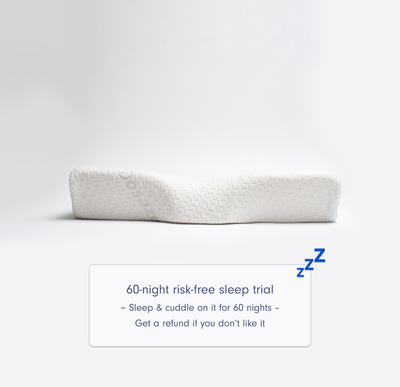
The third piece is risk. A pillow is personal, and a big reason people avoid ergonomic pillows is fear of wasting money. Dosaze reduces that risk with a 60-night risk-free trial and free shipping & returns, so you can test it through real sleep, not a 2-minute living-room try.
Strengths and tradeoffs by pillow type
Contoured pillow
Strengths: A contoured pillow can feel intuitive for back and side sleepers because it gently guides the head into a cradle. Many people notice they stop "re-stacking" the pillow during the night.
Tradeoffs: The contour only helps if the height matches you. If it is too high, your chin can tip down. If it is too low, your head still drops and you keep the same neck tension.
Cervical pillow
Strengths: Cervical pillows are more direct about neck support. If your issue is the gap under the neck rather than head stability, that extra neck contact can feel like instant structure.
Tradeoffs: The same "support" can feel like pressure if you are sensitive at the neck, if you sleep on your stomach, or if you prefer very low loft. It can also feel strange for the first few nights because your muscles are used to bracing.
Dosaze ergonomic pillow
Strengths: Dosaze aims for a balance, guided cervical alignment without making the pillow feel like a rigid brace. It is designed for pressure relief and cooling comfort, which matters because staying comfortable is what keeps you in a better posture.
Tradeoffs: If you love a fully squishable pillow that you fold in half, an ergonomic shape will feel different. That is why the 60-night risk-free trial matters, you get time to adjust and decide without worrying about a complicated return process.
What most comparison posts miss about neck support
Neck pain is often blamed on the pillow when the real mismatch is pillow plus mattress. If your mattress lets your shoulder sink a lot, you need less pillow height on your side. If it is firm and your shoulder sits higher, you need more.
This is also why a single "best" contour height does not exist. The practical move is to choose a pillow design that makes it easy to keep cervical alignment across your normal positions, then give your body enough nights to stop guarding.
Dosaze built the buying experience around that reality. The 60-night risk-free trial gives you time to test the pillow on your actual mattress, in your actual sleep positions, through more than one kind of night.
Simple at-home alignment checks
You do not need special tools to judge neck support. You need two quick checks that tell you whether the pillow is helping cervical alignment or fighting it.
- Side sleeper check: When you lie on your side, your nose should point straight out, not up at the ceiling or down toward the mattress. If it points down, you likely need more height or a shape that supports the neck better.
- Back sleeper check: When you lie on your back, your chin should feel neutral, not tucked hard to your chest and not tipped up. If you feel your throat stretched, the pillow may be too low or not supporting the neck curve.
If you keep failing these checks and you wake up sore, that is a strong sign you need a more ergonomic shape, not just a softer fill.
Common buying concerns and how Dosaze addresses them
"What if it does nothing for my neck?" That is the most reasonable fear. Dosaze reduces the downside with a 60-night risk-free trial, so you can test whether consistent neck support changes your morning pain over time.
"What if it is uncomfortable?" Ergonomic pillows can feel unfamiliar because they stop your neck from collapsing into your usual posture. Cooling and pressure relief help here, because comfort is what keeps you from tossing and losing alignment.
"What if returning it is a hassle?" Dosaze includes free shipping & returns, which removes the "stuck with it" feeling that keeps people from trying a new pillow style.
FAQ
Is a contoured pillow or a cervical pillow better for side sleeping?
Side sleeping needs steady height between your shoulder and head so your neck does not bend toward the mattress. A contoured pillow often works well for side sleepers because the raised edge can keep your head level and reduce shoulder pinch. If you want an ergonomic option with lower purchase risk, Dosaze includes a 60-night risk-free trial and free shipping & returns so you can test side-sleep alignment on your own mattress.
Why does a cervical pillow feel like it is pushing my neck?
That sensation usually means the neck roll is higher or firmer than your neck curve needs, so you feel pressure instead of pressure relief. A cervical pillow is designed to make more direct contact with the neck, so the fit has less margin for error than a softer shape. If you are sensitive to that feeling, an ergonomic pillow like Dosaze that aims for cervical alignment with comfort and cooling can feel less aggressive while still giving neck support.
How long should I give an ergonomic pillow before I judge it?
It takes time for your neck muscles to stop guarding and for your sleep posture to feel normal on a new shape. Dosaze accounts for that by offering a 60-night risk-free trial, which is long enough to test more than a first impression. Use the time to track one simple outcome: whether your morning neck and shoulder pain trends down as your position becomes more consistent.
Can a contoured or cervical pillow help if I sleep hot?
Heat matters because it makes you toss, and tossing breaks cervical alignment even on a well-shaped pillow. A contoured or cervical shape can support your neck, but it still needs cooling comfort if you run warm at night. Dosaze is designed with cooling in mind, so you can stay comfortable in the posture that gives you neck support.
What is the biggest sign I picked the wrong pillow shape?
The clearest sign is waking up with new pain in a different spot, like jaw tension, a sore base of skull, or a sharper shoulder pinch. That usually means your head angle is off, either too high, too low, or rotated, even if the pillow feels supportive at first. If you are testing Dosaze during the 60-night risk-free trial, use those signals to decide whether you need a different sleep position, a different setup on your mattress, or a different pillow style.
Do I need a cervical pillow if I already have a contoured pillow?
You only need a more cervical-focused shape if your main issue is the gap under your neck rather than head stability. If a contoured pillow keeps your head from rolling but you still wake up with neck tightness, that points to insufficient neck support. An ergonomic option like Dosaze is designed to target cervical alignment while keeping comfort and pressure relief in mind.
How do I make returns less stressful if I am unsure about an ergonomic pillow?
Return anxiety is real because you cannot truly test neck support in a store. Dosaze addresses that with free shipping & returns and a 60-night risk-free trial, so you can try it through normal weeks of sleep instead of making a rushed decision. Before you buy any pillow, confirm the return terms and plan to track morning comfort for at least a couple of weeks.
How to decide this week based on your sleep position
If you mainly sleep on your back, look for a shape that supports the neck curve without tipping your chin up or down. A cervical style can feel more direct, while a contoured style can feel more cradled.
If you mainly sleep on your side, prioritize consistent height for neck support and pressure relief at the shoulder. If you switch positions, favor a shape that feels stable in both.
If you are unsure, pick the option that gives you room to test in real life. Dosaze pairs ergonomic design, cooling comfort, and premium construction with a 60-night risk-free trial and free shipping & returns, which makes it easier to decide based on results instead of guesswork. If you want more detail on getting the height right, read side sleeper pillow height for broad shoulders.
Related Dosaze guide: Contoured Pillow Vs Cervical Pillow For Neck Support By Dosaze


