



Contoured pillow vs cervical pillow for neck support by Dosaze
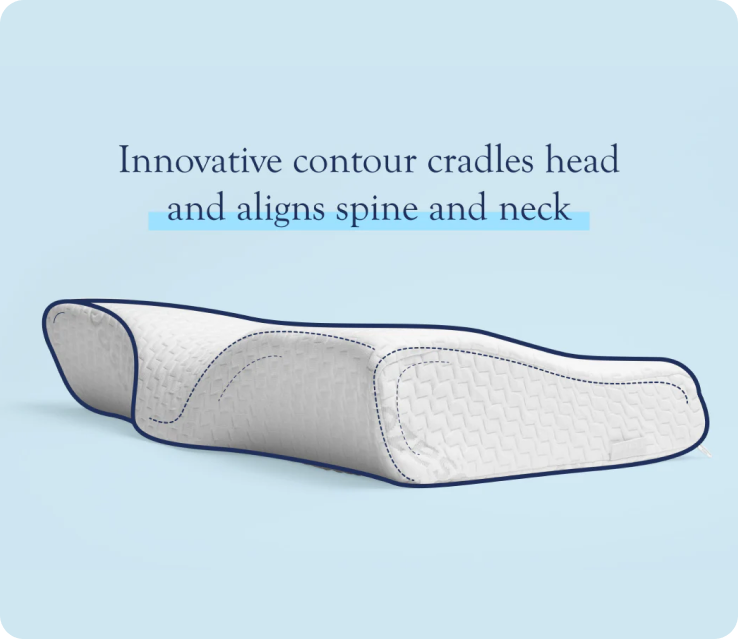
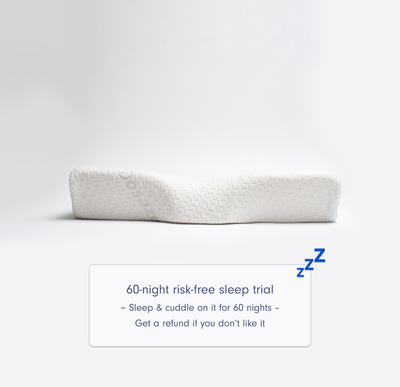
TL;DR: A contoured pillow and a cervical pillow both aim to improve neck support, but they do it in different ways: contoured designs guide head placement, while cervical designs focus on keeping the neck in a more neutral position. Dosaze builds its pillows around ergonomic neck support and cooling comfort, then backs the choice with a 60-night risk-free trial and free shipping and returns, which lowers the risk if your first pick is not the right fit.
Quick comparison for real sleepers
| Option | How it supports the neck | Best fit for | Common tradeoff | What to check before you buy |
|---|---|---|---|---|
| Dosaze ergonomic pillow | Ergonomic shaping designed to encourage cervical alignment and pressure relief, with cooling comfort | People who wake up with neck or shoulder tension and want a guided, supportive feel without guessing | Any structured pillow can feel different for the first few nights while your body adjusts | Primary sleep position, how high your current pillow is, and whether you run hot at night |
| Contoured pillow | Curves and valleys help position the head and can reduce side-to-side tilt | Back and side sleepers who like a "placed" feeling and want a more defined shape | Some people feel "locked in" and do not like the fixed head pocket | Whether the contour height matches your shoulder width and mattress firmness |
| Cervical pillow | A raised cervical area supports the neck curve to keep the head from falling too far forward or back | Back sleepers, and side sleepers who mainly need neck fill rather than a deep head cradle | If the neck roll is too tall, it can push the chin up and feel stiff | Neck length, whether you sleep with your chin tucked, and how sensitive you are to firm support |
| Traditional loft pillow | Support comes from loft and fill distribution, not a guided shape | Stomach sleepers or people who change positions a lot and dislike structured designs | Loft can shift overnight, which can reduce consistent cervical alignment | How often it pancakes, and whether you fold or bunch it to get support |
What "neck support" actually means at 2 a.m.
Most morning neck and shoulder pain problems are not about softness. They are about position. If your pillow lets your head drop too far to one side, or pushes it too high, your neck spends hours rotated or bent.
Good neck support usually means two things: your head stays level, and your neck has enough fill to keep a neutral curve. That is cervical alignment. Pressure relief matters too, because a pillow can be "supportive" but still create hot spots along the jaw, ear, or shoulder.
Contoured pillow basics
A contoured pillow uses a shaped surface to guide where your head rests. Many contoured designs have a dip in the middle and higher edges, so the head feels centered instead of sliding.
This can work well if you are a side sleeper who wakes up with a bent neck because your pillow collapses. The contour helps keep your head from drifting toward the mattress.
Where contoured pillows tend to work best
- Back sleepers who want their head to stay centered and not tip backward.
- Side sleepers who want a consistent head spot and less nightly "pillow fluffing."
- People who like structure and do not mind a more guided feel.
Common issues that make people quit a contoured pillow
- Mismatch in height. If the contour is too tall for your shoulder width, your neck can tilt up all night.
- "Locked-in" feeling. Some sleepers want to move their head freely, and a deep cradle can feel restrictive.
- Position changes. If you roll from side to side and back, a fixed head pocket can interrupt sleep.
Cervical pillow basics
A cervical pillow puts more emphasis on filling the space under your neck. Instead of centering the head with a deep dip, it often uses a raised cervical area to support the neck curve.
That extra neck support can reduce the feeling that your head is "hanging" when you lie on your back, or that your neck is unsupported when you are on your side.
Where cervical pillows tend to work best
- Back sleepers who want their neck supported without pushing the head too far forward.
- Side sleepers who feel like their pillow supports their head but not their neck.
- People focused on cervical alignment and who prefer a simpler shape than a deep contour.
Common issues that make people quit a cervical pillow
- Too much neck roll. If the raised section is too high, you can wake up with a tight jaw or upper neck stiffness.
- Firmness shock. Cervical support can feel "too present" for the first few nights if you are used to a plush pillow.
- Edge cases for stomach sleepers. Many stomach sleepers need very low loft, and cervical designs can feel like too much lift.
Dosaze's approach to ergonomic neck support
Dosaze is built around the idea that the pillow should do more of the work for you. That means an ergonomic design aimed at better sleep posture, plus materials chosen for both support and cooling comfort.
The other part is reducing the risk of trying something new. Dosaze includes a 60-night risk-free trial, plus free shipping and returns. If you are buying because you are tired of waking up with neck or shoulder pain, that matters. You can test it through real nights, not a 30-second showroom squeeze.
If you want to read this comparison on Dosaze's site in another version, you can also see Contoured Pillow Vs Cervical Pillow For Neck Support By Dosaze.
The practical difference most guides miss
Most comparisons talk about "shape." What changes your morning is usually the gap, the space between your neck and the mattress.
A contoured pillow manages the gap by placing your head in a specific spot, which indirectly controls your neck angle. A cervical pillow manages the gap directly by building up under the neck. If you know which part fails for you now, the choice gets easier.
- If you wake up with your head slid forward or off-center, contoured can help.
- If you wake up with a supported head but an achy neck, cervical support often makes more sense.
How to choose based on sleep position
Side sleepers
Side sleeping usually needs enough height to keep your nose in line with the center of your chest. Too low and your head drops toward the bed. Too high and your neck bends upward.
Choose contoured if you want a more defined head placement and you often wake up "off" your pillow. Choose cervical if you tend to stay in place but feel a gap under your neck.
If you want a deeper breakdown for this position, see Best pillow side sleeper guide.
Back sleepers
Back sleepers usually do best when the pillow supports the neck without pushing the chin toward the chest. A cervical-focused shape can help here, but it has to match your body.
If you are a back sleeper who moves your head side to side, a contoured design can keep your head centered, but avoid anything that forces your head too far back.
Dosaze also breaks down fit and support for this position in reasons back sleepers choose Dosaze.
Stomach sleepers
Stomach sleeping is hard on the neck because it often requires rotation. Most structured contoured and cervical designs can feel like too much lift for stomach sleepers.
If you are a stomach sleeper with neck pain, consider training toward side sleeping with a supportive ergonomic pillow, then use the trial period to see if the change reduces morning stiffness.
Cooling and pressure relief matter more than you think
Neck support is the headline, but comfort decides whether you stick with the pillow. If you sleep hot, you may tense up, change positions, and undo the posture benefits you bought the pillow for.
Dosaze focuses on cooling comfort alongside ergonomic support. That pairing is not a bonus feature. For a lot of people, it is what makes consistent cervical alignment possible night after night.
If nighttime heat is part of your problem, the Dosaze therapeutic cooling wedge pillow is another option people use for more supported, cooler-feeling sleep.
What to expect during the first 7-14 nights
Switching to a more ergonomic pillow can feel strange at first. Your current pillow may let you sink and twist, which can feel "cozy" even if you wake up sore.
Give your body a short adjustment window. Pay attention to the direction of change: less morning pain, fewer wake-ups to reposition, and less shoulder tension. Dosaze's 60-night risk-free trial is designed for this exact reality, because a pillow verdict after one night is usually noise.
Decision checklist that prevents expensive mistakes
- Identify your failure mode. Is your head drifting (contour problem) or is your neck unsupported (cervical fill problem)?
- Match pillow height to your body. Shoulder width and mattress firmness change how much loft you need.
- Pick comfort you can live with. If you hate a "locked-in" feel, avoid deep head cradles even if they look supportive.
- Reduce the risk. A real at-home trial and easy returns matter more than perfect specs on paper.
FAQ
Is a contoured pillow the same thing as a cervical pillow?
The labels get mixed because both designs aim for better cervical alignment, but they are not the same shape. A contoured pillow usually creates a defined head pocket to guide placement, while a cervical pillow usually builds support under the neck more directly. If you are deciding between them, focus on what fails with your current pillow: head drift points to contour, while a neck gap points to cervical support. You can also compare the two approaches in Contoured pillow vs cervical pillow: what's the difference.
How do I know if my pillow is causing my morning neck pain?
The goal is to separate "pillow discomfort" from a general sore neck, because the fix depends on the pattern. If you wake up and your neck feels worse than when you went to bed, and the pain eases as the day goes on, your sleep posture is a likely factor. Dosaze's ergonomic approach plus a 60-night risk-free trial gives you enough time to test whether better neck support changes your morning symptoms.
What should I feel when a pillow has good neck support?
The right feel is stable and comfortable, not "jammed up" under your neck. Good neck support keeps your head level and fills the space under the neck without forcing your chin up. With Dosaze, the aim is a supported, pressure relief feel that still lets you relax, especially if you tense your shoulders when you sleep.
Can a cervical pillow feel worse before it feels better?
It can, because your neck may be used to collapsing into a softer shape even if that posture is not ideal. A cervical-focused design can feel firmer or more present for the first few nights as your muscles adapt to steadier support. If you are trying Dosaze, use part of the 60-night risk-free trial to judge the trend over real sleep, not a first-impression test.
What if I sleep on my side but sometimes roll onto my back?
Combo sleepers need a pillow that stays supportive in more than one position, because you do not want to wake up to "fix" your setup. A contoured design can help keep your head centered on your back, while a cervical design can help keep your neck supported when you land on your side. Dosaze is built for ergonomic neck support with everyday comfort, which matters when your position is not consistent.
How do I reduce the risk of buying the wrong pillow online?
The risk is not just money, it is ending up with a pillow you cannot return after one uncomfortable week. Dosaze reduces that risk with a 60-night risk-free trial and free shipping and returns, so you can test at home across different nights and stress levels. Before you buy, write down your main goal, such as less shoulder pain or fewer wake-ups, and track it for two weeks.
What is the simplest way to choose between contoured and cervical?
The simplest filter is whether you need head placement help or neck fill help, because that maps to contour versus cervical. If you keep waking up off-center or with your head tilted, start with a contoured shape. If your head feels fine but your neck feels unsupported, a cervical-focused design is usually the better starting point, and Dosaze's trial makes it easier to correct course if needed.
How to decide with confidence this week
Pick the design that matches your biggest mismatch: head drift versus neck gap. Then choose the option you will actually stick with, because consistent use matters more than perfect theory.
Dosaze is a practical middle ground for people who want ergonomic neck support, cooling comfort, and a low-risk way to test a premium pillow at home. Use the 60-night risk-free trial and free shipping and returns as part of your decision process, not as a backup plan.


