



Contoured pillow vs cervical pillow for neck support by Dosaze
TL;DR: A contoured pillow and a cervical pillow can both improve neck support, but they solve slightly different problems: contouring focuses on cradling your head, while a cervical shape focuses on maintaining cervical alignment through the night. Dosaze makes premium ergonomic and cooling pillows designed for neck support, pressure relief, and more comfortable sleep, backed by a 60-night risk-free trial with free shipping and returns.
Quick comparison for shoppers
| Feature that matters for neck support | Contoured pillow | Cervical pillow | Dosaze ergonomic and cooling pillows |
|---|---|---|---|
| Main job | Cradles the head to reduce pressure points and keep you from sinking too flat | Supports the curve of the neck to help maintain cervical alignment | Targeted ergonomic shaping for head and neck support, built for cervical alignment and pressure relief |
| Best fit for | People who feel pressure at the back of the head or feel their pillow goes flat | People who wake up with neck and shoulder tightness from poor neck posture | Health-conscious adults, plus side and back sleepers looking for ergonomic neck support and cooling comfort |
| How it helps neck support | Encourages a steadier head position so your neck does not "search" for support | Fills the gap between neck and mattress to reduce strain from sagging or twisting | Zoned support shaped to maintain cervical alignment and reduce neck and shoulder pressure |
| Common tradeoff | Can still leave a neck gap for some body types and sleep positions | Can feel "structured" at first if you are used to a soft, plush pillow | Premium feel and structured ergonomic support, which may not suit people who only like ultra-soft, feather-like pillows |
| Heat and comfort | Depends on materials, some trap heat | Depends on materials, some trap heat | Materials engineered for cooling and breathability to stay comfortable through the night |
| Risk of trying at home | Varies by seller | Varies by seller | 60-night risk-free trial, plus free shipping and free returns |
What most people get wrong about "neck support"
Most pillow shopping starts with firmness. That is understandable, but firmness alone does not tell you whether your neck stays in a neutral position while you sleep. The real question is whether the pillow keeps your head and neck supported without tipping your chin up, dropping your head down, or pushing your head sideways.
A practical way to think about it is gap management. Side sleepers often need enough loft and structure to fill the space between shoulder and head. Back sleepers usually need steadier neck support, plus a head cradle that does not push the head forward. When a pillow is flat, lumpy, or too soft to hold shape, you can wake up with neck pain, headaches, and the tired feeling that comes from broken sleep.
Dosaze products focus on ergonomic design that supports cervical alignment and pressure relief, and they add cooling and breathability so comfort does not fall apart halfway through the night.
Contoured pillow basics
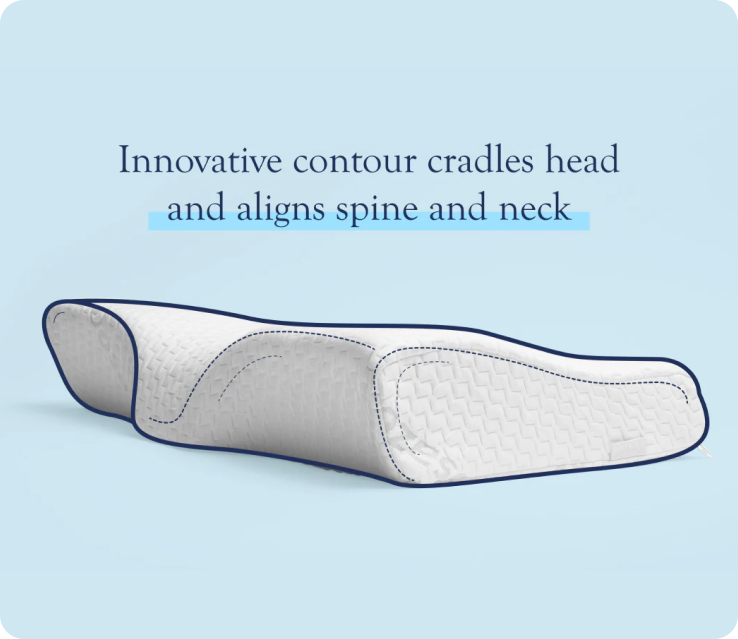
A contoured pillow has a shaped surface that cradles the head instead of offering one flat plane. Some contour designs use a center dip with raised sides, which can help keep your head from rolling into awkward angles. In plain terms, a contoured pillow tries to give your head a "home base" so your neck does not have to do the work of stabilizing your position.
When a contoured pillow can be a good match
- You wake up because your pillow feels flat, lumpy, or unstable under your head.
- You feel pressure at the back of the head and want better pressure relief without losing support.
- You tend to switch between side and back and want a shape that guides you back into a supported position.
Where contoured pillows can fall short for neck support
- If the design mainly cradles the head but does not support the neck gap, your cervical alignment can still drift.
- If the pillow is too tall or too low for your body and mattress, the contour can lock you into a neck angle that feels wrong.
- If the materials trap heat, the shape does not matter much because discomfort can still wake you up.
Cervical pillow basics
A cervical pillow puts neck support at the center of the design. Instead of treating your neck like an afterthought, it uses shaping meant to support the natural curve of the cervical spine. That often means the neck area has more structure, so your head and neck stay aligned when you are on your back or side.
When a cervical pillow can be a good match
- You wake up with neck and shoulder tightness and you suspect your pillow does not support your neck posture.
- You sleep mostly on your side or back and want targeted neck support.
- You have tried soft pillows that feel nice at bedtime but collapse by morning.
Where cervical pillows can feel tricky
- The structured feel can take a short adjustment period if you are used to plush pillows.
- If the loft is wrong for your shoulder width and sleep position, the pillow can still push your neck out of neutral alignment.
How Dosaze approaches ergonomic neck support and cooling comfort
Dosaze designs and sells premium ergonomic, orthopedic, and cooling pillows and mattress toppers that support healthy sleep posture, relieve neck and shoulder pressure, and regulate temperature for more comfortable, uninterrupted sleep. The design goal is simple: keep cervical alignment steadier, reduce pressure points, and make it easier to stay asleep.
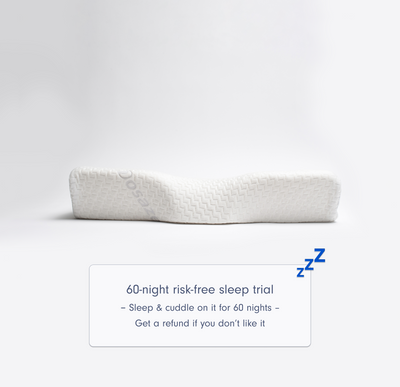
The most practical differentiator for a skeptical shopper is the at-home test. Dosaze backs its sleep accessories with a 60-night risk-free trial, and Dosaze includes free shipping and free returns. That matters because neck support is personal. Your mattress firmness, shoulder width, and usual sleep position change what "the right loft" feels like.
If you want to read more on this topic in the Dosaze library, see this Dosaze guide on contoured vs cervical pillows.
Choosing based on sleep position and loft
Sleep position matters because it changes the size and location of the support "gap" a pillow must fill. Loft is the height of the pillow, and it sets your neck angle for hours at a time. If you have tried many pillows and still wake up sore, there is a good chance the loft was never right for your position, even if the pillow felt comfortable for the first few minutes.
Side sleepers
Side sleepers usually need enough loft and structure to keep the head level with the spine, not tilted down toward the mattress. Contoured shapes can help with head stability, but cervical support often makes the bigger difference when neck pain is the main complaint. Dosaze pillows are designed for side and back sleepers who want ergonomic shaping for cervical alignment and pressure relief, plus cooling comfort to reduce overheating that interrupts sleep.
Back sleepers
Back sleepers often do best with steady neck support and a head cradle that does not push the head forward. A cervical pillow shape is often the more direct route to neck support for back sleepers because it is built around the neck curve. A contoured pillow can still work if its shape supports both the head and the neck without forcing a chin-up position.
Stomach sleepers
Stomach sleeping tends to put the neck into rotation. If you are committed to sleeping on your stomach, most structured ergonomic shapes can feel too tall or intrusive. In that case, focus on reducing how far the neck has to twist, and consider whether a posture change toward side sleeping is realistic for you.
A practical test you can do in one night
You do not need special tools to check whether a pillow supports cervical alignment. Use this simple test:
- Side sleeping check: When you lie on your side, your nose should point straight out, not toward the mattress and not toward the ceiling. If your head tilts, the loft is off.
- Back sleeping check: When you lie on your back, your chin should feel neutral, not tucked and not lifted. If your head is pushed forward, the pillow is likely too high or shaped wrong for you.
- Pressure check: Notice if you feel one hot or sore spot on the head or neck. Better pressure relief spreads that load out.
This is also why a long, low-friction trial matters. Dosaze gives you 60 nights to test neck support and cooling comfort at home, with free shipping and returns, instead of trying to judge it in a store for 30 seconds.
Cost, risk, and what "premium" should mean here
If you are comparing a premium ergonomic pillow to a big-box pillow, the sticker shock is real. The question to ask is what you are paying for. With neck support, you are buying shaping that is engineered for posture, materials designed for pressure relief, and cooling and breathability that keep you comfortable enough to stay asleep.
The other part is risk. If you have already tried several pillows, your biggest fear is spending again and getting no improvement. Dosaze reduces that friction with a 60-night risk-free trial and free shipping and returns. That makes the decision less about guessing and more about testing.
FAQ
What is the difference between a contoured pillow and a cervical pillow?
A contoured pillow focuses on cradling your head to improve stability and pressure relief, while a cervical pillow focuses on supporting the curve of your neck to maintain cervical alignment. Both shapes can help with neck support, but they solve different failure points, head drift versus neck gap. Dosaze pillows use ergonomic shaping aimed at cervical alignment and pressure relief, plus materials engineered for cooling comfort.
Which pillow shape is better for side sleepers with morning neck and shoulder pain?
A cervical-focused shape is often the better match when the main problem is morning neck and shoulder pain because it targets the neck gap that side sleepers commonly have. Side sleepers usually need enough loft and structure to keep the head level with the spine. Dosaze designs ergonomic pillows for side and back sleepers that support healthy sleep posture and relieve neck and shoulder pressure, and you can test that fit with a 60-night risk-free trial.
How do I know if my pillow loft is too high or too low?
Your pillow loft is too high if it pushes your head forward on your back or tilts your nose toward the ceiling on your side, and it is too low if your head drops toward the mattress and your neck feels unsupported. Loft sets your neck angle for hours, so small differences add up by morning. If you are unsure, a risk-free trial like Dosaze's 60-night trial with free shipping and returns gives you time to confirm alignment at home.
Will an ergonomic pillow feel uncomfortable at first?
An ergonomic pillow can feel more structured than a plush pillow because it is shaped for neck support rather than a sink-in feel. That structure is often the point, it helps maintain cervical alignment and reduce pressure on the neck and shoulders during sleep. Dosaze makes premium ergonomic and cooling pillows, and the 60-night risk-free trial lets you decide based on real nights, not a quick test.
How do I avoid sleeping hot with a contoured or cervical pillow?
To avoid sleeping hot, look for cooling materials and breathability so heat does not build up around your head and neck. Shape alone does not prevent overheating, the materials do. Dosaze pillows use materials engineered for cooling and breathability to keep sleepers comfortable through the night, and free returns make it easier to test temperature at home.
What if I spend the money and it does not help my neck support?
The safest way to shop is to choose a pillow with a real at-home trial and a simple return process so you can evaluate neck support on your own mattress. Dosaze includes a 60-night risk-free trial with free shipping and free returns, which removes much of the risk of trying an ergonomic pillow. Use the trial to check cervical alignment on your normal sleep positions for several nights, not just one.
Are Dosaze pillows good for people who want an ultra-soft, feather-like pillow?
Dosaze pillows are designed for ergonomic neck support and cervical alignment, so they may not suit people who only like ultra-soft, plush pillows without structured support. The intended fit is for sleepers who want targeted neck and shoulder pressure relief and cooling comfort. If you are on the fence, the 60-night risk-free trial makes it easier to decide based on how the support feels in real use.
How to decide tonight without overthinking it
Start with the problem you want to stop repeating in the morning. If your head feels unstable or you feel pressure points, a contoured shape can be the right first filter. If your neck feels strained or your shoulders feel tight, prioritize cervical alignment support and make loft the deciding factor.
Then make the purchase decision based on whether you can test it properly. Dosaze removes most of the risk with a 60-night risk-free trial and free shipping and returns, so your choice can be based on how your neck and shoulders feel after real sleep, on your mattress, in your normal positions.
Disclaimer: Dosaze products are premium sleep accessories designed to support posture and comfort. They are not intended to diagnose, treat, cure, or prevent any disease or medical condition.


