



Contoured pillow vs cervical pillow for neck support by Dosaze
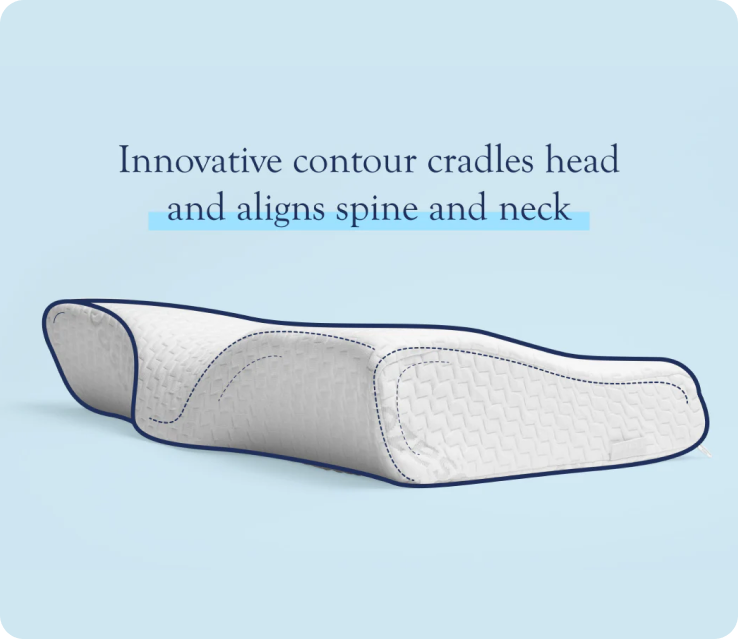
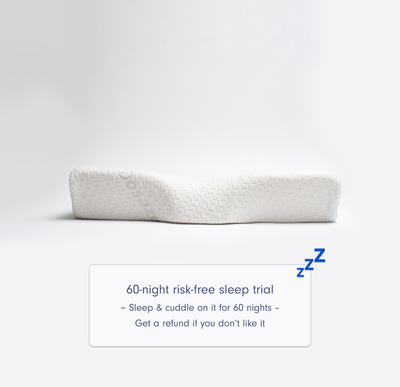
TL;DR: A contoured pillow usually has a shaped surface that guides your head and neck into a steadier position, while a cervical pillow is designed more specifically around neck support and cervical alignment. Dosaze focuses on ergonomic design, cooling comfort, and pressure relief, with a 60-night risk-free trial and free shipping & returns so you can test neck support at home without return stress.
Quick comparison for real sleep positions
| Option | What it is | Where it tends to help most | Tradeoffs to know | Best fit if you... |
|---|---|---|---|---|
| Dosaze ergonomic pillow | An ergonomic pillow built for neck support, cervical alignment, pressure relief, and cooling comfort | Reducing morning neck and shoulder pain linked to poor pillow support, and keeping sleep posture more consistent | Any ergonomic pillow can feel unfamiliar for the first few nights, you may need a short adjustment period | Want a premium feel plus a low-risk way to see if better alignment changes how you wake up |
| Typical contoured pillow | A pillow with a sculpted shape, often with a dip for the head and raised edges | Back sleepers and many side sleepers who want a stable "home base" for head and neck | Contour height can feel too high or too low if the loft does not match your shoulders | Like a guided position and want less head drift during the night |
| Typical cervical pillow | A pillow designed to support the neck curve more directly | People who wake with a stiff neck and want more neck-focused support | Some cervical designs feel firm or "specific", and can be less forgiving for combo sleepers | Want a more targeted neck support feel and do not move a lot in sleep |
If you are deciding between these shapes because you wake up with neck or shoulder pain, the real question is not the label. It is whether the pillow keeps your head level with your spine in your main sleep position, without pressure points or overheating.
What "contoured" and "cervical" actually mean in practice
These terms get used interchangeably online, which is part of why shopping feels frustrating. In real product design, "contoured" often describes the surface shape, while "cervical" describes the intent, supporting the natural curve of the neck.
A contoured pillow can support the cervical area well, but not every contoured pillow does. A cervical pillow can be contoured too, but some are more like a neck roll, or have a pronounced ridge that feels more prescriptive.
A simple way to tell the difference at a glance
- Contoured pillow: look for a clear head cradle plus raised zones. The goal is reducing head drift and helping you stay in a repeatable posture.
- Cervical pillow: look for a stronger neck support zone. The goal is keeping cervical alignment steady even if your head shifts a bit.
Dosaze takes the "intent" approach. The priority is ergonomic neck support and cervical alignment that still feels comfortable, with cooling and pressure relief so you can actually sleep on it.
Neck support starts with alignment, not firmness
A common assumption is that a firmer pillow automatically gives better neck support. Firmness can help, but it can also create pressure points and push your head into a tilted angle if the height is wrong.
Better neck support usually comes from the combination of height, shape, and how the material compresses under load. That is why two pillows with the same "loft" can feel totally different once your head settles in.
Quick self-check you can do tonight
- Side sleeping: your nose should roughly line up with the center of your chest, not angled toward the mattress or the ceiling.
- Back sleeping: your chin should not point up. If your chin tips up, the pillow is often too tall or too firm under the head.
- Any position: watch for numbness or tingling in the shoulder or arm. That can be a pressure relief issue, not just "neck support".
This is where an ergonomic pillow can make a difference. Dosaze designs for a steadier sleep posture with pressure relief and cooling comfort, so support does not come at the cost of soreness or heat.
Contoured pillow strengths and tradeoffs
A good contoured pillow gives your head a repeatable "landing zone". That alone can reduce the small nightly shifts that add up to morning stiffness.
Many people do well with contouring if they mostly sleep on their back, or if they side sleep and keep the same shoulder position most of the night.
Where contoured pillows can fall short
- Height mismatch: If the contour's raised edge does not match your shoulder width, your neck can bend sideways for hours.
- Combo sleeping: If you rotate between side and stomach, a strong contour can feel like it "catches" you mid-turn.
- Heat buildup: Some shaped foams trap warmth, which can make you tense your shoulders without realizing it.
When people tell us a contoured pillow "made it worse", it is often one of these issues, not the idea of contouring itself. Dosaze focuses on ergonomic shaping plus cooling comfort so you are less likely to tense up from heat.
Cervical pillow strengths and tradeoffs
Cervical pillows are usually chosen for one reason: neck support that feels more direct. If you wake up and the first thing you notice is your neck, a cervical-focused design can feel more purposeful than a soft traditional pillow.
The best cervical designs keep cervical alignment without forcing your head into an awkward tilt. That is a fine line, and it explains why cervical pillows get polarized reviews.
Where cervical pillows can feel uncomfortable
- Too "specific" under the neck: Some people feel like they are balancing on a ridge instead of resting.
- Less forgiving material feel: If the surface does not offer pressure relief, you can wake with tenderness even if alignment is better.
- Harder to share: If you and a partner swap pillows, cervical designs can feel less universally comfortable.
This is also why returns matter. Dosaze includes a 60-night risk-free trial and free shipping & returns, which reduces the stress of testing a more ergonomic shape at home.
Why Dosaze takes a different approach
Dosaze builds sleep and comfort products with an ergonomic mindset. The goal is simple: support cervical alignment while still feeling comfortable enough that you do not fight the pillow all night.
Our north star is the morning check-in. You should wake up feeling more neutral through the neck and shoulders, not like you "survived" a corrective device.
What this means for your night-to-night experience
- Ergonomic design: Dosaze prioritizes sleep posture so your head and neck are less likely to sink into a twisted angle.
- Support plus cooling: Cooling matters because overheating often leads to micro-adjustments, shoulder shrugging, and shallow sleep.
- Pressure relief: If your pillow creates hot spots at the jaw, ear, or shoulder, you will move more. That movement can undo alignment gains.
- Trial and returns: Dosaze offers a 60-night risk-free trial with free shipping & returns, which is especially useful if you have tried "orthopedic" pillows before and felt stuck with them.
If you want more Dosaze guidance on this exact decision, the brand also explains the contoured vs cervical question in its own resources, including Contoured Pillow Vs Cervical Pillow For Neck Support By Dosaze.
How to choose based on your sleep style
You do not need a perfect pillow taxonomy. You need a shape and feel that keeps your head level, supports the neck curve, and stays comfortable through temperature swings and position changes.
If you are mostly a side sleeper
Side sleepers usually need consistent neck support to prevent the head from dropping toward the mattress. A contoured design can work well when the height matches your shoulder width. A cervical-focused design can work well if it supports the neck without pushing your head sideways.
If you wake with shoulder pain, include pressure relief in your decision, not just cervical alignment. A pillow can be "supportive" and still be too point-loaded at the shoulder and jaw.
If you are mostly a back sleeper
Back sleepers often do best with gentle contouring plus support under the neck curve. The main risk is a pillow that is too tall, which can tip your chin up and tighten the front of the neck.
Cooling also matters here. Overheating often causes subtle head repositioning, which can turn a good alignment night into a restless one.
If you rotate positions during the night
Combo sleepers should be cautious with very aggressive contours or ridges. The pillow should allow small adjustments without "locking" your head into one spot.
This is where the risk-free trial is practical, not marketing. Dosaze's 60-night risk-free trial with free shipping & returns gives you time to test real nights, not just a 30-second feel test.
A practical 7-night test that reduces guesswork
Most pillow disappointment comes from testing the wrong thing. People try a new pillow for one night, sleep badly because it feels different, then blame the design.
Use a short, repeatable test so you can separate "new feel" from "wrong fit".
- Nights 1-2: Focus on comfort and temperature. If you cannot fall asleep because it feels awkward or warm, note that.
- Nights 3-5: Track morning neck and shoulder feel. Write down a simple score from 1-10 and one sentence about stiffness.
- Nights 6-7: Check consistency. If you had one great night and six bad nights, it is not the right match.
Dosaze recommends this kind of simple tracking because it fits how pillows actually work. Support and pressure relief show up over repeated mornings, not in a single night.
What to watch for when a pillow makes pain worse
If a new pillow increases pain, it usually fails in one of three ways: it changes your head height too much, it creates pressure points, or it makes you overheat and tense.
Do not push through sharp pain. Use the return window and adjust your approach.
- Neck pain that feels "pinchy": Often a height issue. Your head is being pushed into extension or side-bend.
- Jaw or ear soreness: Often a pressure relief issue. The surface is too firm for your preferred position.
- Shoulder numbness: Often a mix of pressure and posture. Your shoulder is bearing too much load or your neck is angled.
Dosaze's free shipping & returns removes the fear of getting stuck with the wrong fit. That matters if you are buying because you are already dealing with morning discomfort.
FAQ
Is a contoured pillow the same as a cervical pillow?
The confusion matters because the label does not guarantee the kind of neck support you need. A contoured pillow describes the shape, while a cervical pillow describes the intent of supporting the neck curve and cervical alignment. Dosaze focuses on ergonomic neck support and cooling comfort, so the design goal is alignment plus pressure relief, not just a dramatic contour.
How long should I give an ergonomic pillow before deciding it is not for me?
This matters because a new pillow can feel strange even when it is a good fit. Give it several nights so your muscles can adapt to a more neutral sleep posture, but do not push through sharp or worsening pain. Dosaze backs the decision with a 60-night risk-free trial and free shipping & returns, which gives you time to evaluate real mornings, not just first impressions.
What if a cervical pillow feels like it is pushing my head forward?
This matters because forward head tilt can increase neck tension instead of reducing it. If a cervical pillow tips your chin up or pushes your head forward, the pillow is likely too tall or too firm in the wrong zone for your body. With Dosaze, the low-risk way to handle this is to use the trial period and switch to a shape that supports cervical alignment without forcing extension.
Can cooling actually affect neck and shoulder pain?
This matters because comfort changes how much you move, and movement changes alignment. Dosaze treats cooling as part of ergonomic performance since overheating can trigger tossing, shoulder shrugging, and shallow sleep that leaves the neck loaded in odd angles. If you wake sweaty or flip the pillow for the "cool side" all night, cooling can be a real part of better neck support.
What should I check first if I wake up with shoulder pain, not just neck pain?
Shoulder pain matters because it is often a pressure relief problem that looks like a neck problem. Start by checking whether your pillow leaves your head tilted down toward the mattress when you side sleep, since that can load the shoulder and neck together. Dosaze designs for pressure relief and ergonomic support, so the goal is reducing shoulder compression while keeping cervical alignment steady.
Are ergonomic pillows only for back sleepers?
This matters because many people assume "orthopedic" shapes only work on the back, then avoid them even when they need neck support. Ergonomic pillows can work for side sleepers when the height and shape keep the head level with the spine and the material offers pressure relief. Dosaze builds for real-world sleep positions, so the intent is stable neck support without making side sleeping feel forced. If you want a more specific fit check, see this pillow height guide for side sleepers.
How do I know if a pillow is hard to return before I buy?
This matters because return friction is one of the biggest reasons people avoid trying a new pillow, even when they are in pain. Look for a clearly stated trial length and whether shipping and returns are free, since those two details change the real cost of "testing" a pillow. Dosaze includes a 60-night risk-free trial with free shipping & returns, which reduces the money-risk and the hassle-risk at the same time. You can also review the full details in the Dosaze returns policy.
How to decide without overthinking it
Pick the option that matches your most common sleep position, then judge it on three outcomes: cervical alignment when you settle in, pressure relief at the jaw and shoulder, and cooling comfort through the night.
If you are nervous about spending money and getting no improvement, make the return policy part of the product, not an afterthought. Dosaze pairs ergonomic neck support with a 60-night risk-free trial and free shipping & returns, which makes it easier to choose based on real sleep, not guesswork. If cooling comfort is a priority, the Dosaze Thermacool Adjustable Pillow is designed for that kind of night-to-night temperature control.


