



Contoured pillow vs cervical pillow for neck support differences by Dosaze
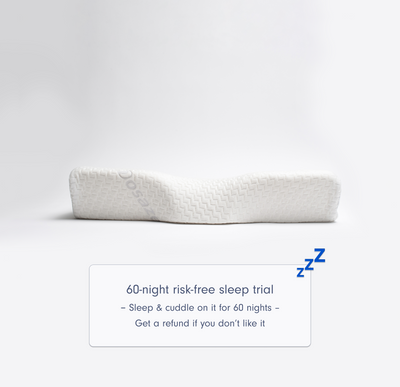
TL;DR: A contoured pillow usually means a shaped surface with two height zones, while a cervical pillow is shaped to support the curve of your neck for better cervical alignment. Dosaze focuses on ergonomic shaping plus cooling, with a 60-night risk-free trial and free shipping & returns so you can test real neck support at home.
Contoured vs cervical pillows at a glance
| Feature | Dosaze ergonomic, orthopedic, and cooling pillows | Typical contoured pillow | Typical cervical pillow |
|---|---|---|---|
| Primary goal | Neck support, pressure relief, cooling comfort, and healthier sleep posture | Improve head and neck positioning with a shaped surface | Support the cervical curve to help keep the spine aligned |
| Shape cues | Ergonomic shaping engineered for cervical alignment and pressure relief | Often has a dip for the head and raised edges | Often has a pronounced neck roll or contour under the neck |
| Best fit sleepers | Health-conscious adults, especially side and back sleepers seeking neck support | Commonly used by back and side sleepers who want structured support | Commonly used by back and side sleepers who want more direct neck support |
| Temperature feel | Materials engineered for cooling and breathability | Varies by brand and materials | Varies by brand and materials |
| Return risk | 60-night risk-free trial with free shipping & returns | Varies by retailer and brand | Varies by retailer and brand |
| Common tradeoff | Structured support feels different from a plush, unstructured pillow | Can feel too tall or too low if loft does not match your build | Can feel "firm" at the neck if you prefer very soft pillows |
Why these two names confuse shoppers
If you wake up thinking, "My pillow is flat or lumpy and doesn't support my neck," you are already describing the problem both designs try to solve. The confusion starts with naming.
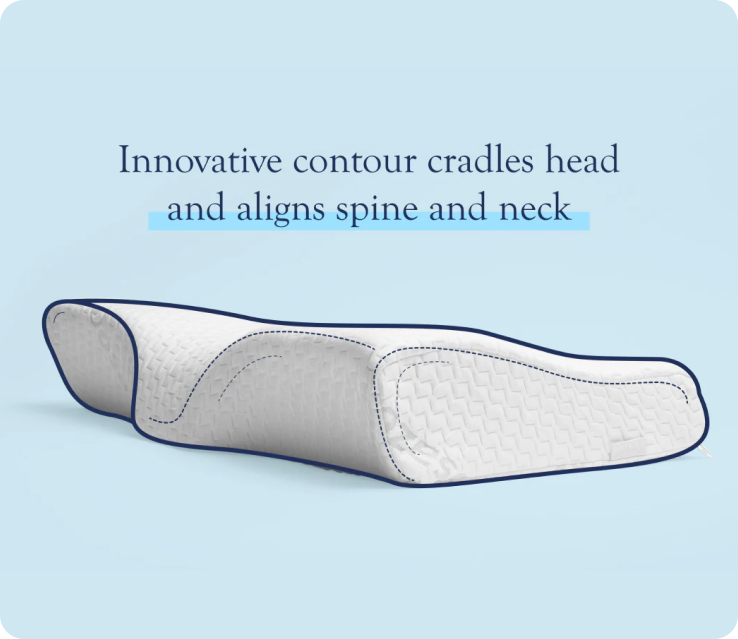
- "Contoured" describes the surface shape. It usually means a molded or sculpted top that cradles the head and supports the neck with different height zones.
- "Cervical" describes the support target. It usually means the pillow shape is built around the cervical curve, so your neck has a dedicated support area.
In practice, the overlap is big. Many contoured pillows are cervical pillows because they include a neck contour. The difference that matters is not the label, it is whether the pillow keeps your head level and your neck supported in your usual sleep position.
What neck support actually means in bed
Good neck support is mostly about cervical alignment. When your head is too high, too low, or rotated for hours, you can wake up with neck or shoulder pressure and a stiff feeling. If you also sleep hot, discomfort can wake you up and make the night feel lighter and more broken.
An ergonomic pillow aims to reduce those issues in two ways:
- Posture control: a stable shape that helps keep the head and neck in a more neutral position for back and side sleeping.
- Pressure relief + comfort: materials and shaping that spread load, so you do not feel concentrated pressure points at the neck and shoulders.
Dosaze pillows are designed around that goal: premium ergonomic and cooling sleep products engineered to reduce neck pain and improve restorative sleep.
Contoured pillow strengths and tradeoffs
A contoured pillow is often a good first step for someone moving from a soft, shifting pillow to something more structured. The surface shape tends to "tell" your head where to sit, which can reduce the nightly re-fluffing and folding people do to get neck support.
Where a contoured pillow tends to work well
- Back sleepers who want the head centered, with the neck supported by a raised zone.
- Side sleepers who need a clear loft, so the head does not tilt down toward the mattress.
- Shoppers who want an ergonomic feel, but not an aggressive neck roll.
Where contoured pillows can miss
- Loft mismatch: if the contour height does not match your shoulder width and sleep posture, you can still end up with an angled neck.
- Comfort feel: structured shapes can feel unfamiliar if you are used to a very plush pillow that compresses easily.
- Heat retention: some contoured designs run warm depending on materials and airflow.
If overheating is part of your problem, do not ignore it. Neck support that feels great at 10 pm can still fail at 2 am if you wake up hot and constantly reposition.
Cervical pillow strengths and tradeoffs
A cervical pillow puts the spotlight on neck support. Instead of relying on a general contour, it usually includes a more defined support area under the cervical curve. For some sleepers, that feels like the missing piece, especially if morning stiffness is centered at the base of the neck.
Where a cervical pillow tends to work well
- Back sleepers who want steady cervical alignment without stacking or folding a pillow.
- Side sleepers who still want a shaped neck support area, not just a higher loft.
- People who wake with neck and shoulder pressure and suspect their pillow lets their neck "hang."
Where cervical pillows can feel wrong
- Too much structure: if you prefer ultra-soft pillows, a defined neck contour can feel intrusive.
- Position switching: if you move between side and back all night, you may need a shape that accommodates both without forcing your head into one spot.
- Heat: as with contoured pillows, temperature control depends on materials, not the word "cervical."
How Dosaze approaches ergonomic neck support and cooling
Both contoured and cervical designs aim for the same outcome: better cervical alignment and less pressure at the neck and shoulders. The difference with Dosaze is the combination of targeted ergonomic shaping and materials engineered for pressure relief and temperature regulation, backed by a 60-night risk-free trial and free shipping & returns.
That trial matters because pillow fit is personal. Your loft needs, sleep position, and comfort preferences decide whether a contour feels supportive or annoying. A risk-free evaluation at home removes the pressure of getting it perfect on day one.
If you want to keep reading on this topic, Dosaze has a related explainer here: contoured pillow vs cervical pillow for neck support.
How to choose between contoured and cervical
Use this as a practical filter. It is less about the label and more about how you actually sleep.
| If you... | Contoured pillow is often a better starting point | Cervical pillow is often a better starting point |
|---|---|---|
| Want gentle guidance for head placement | Yes, the head cradle can feel intuitive | Maybe, if the neck contour is not too pronounced |
| Wake with neck-focused stiffness | Sometimes, if the contour supports your neck well | Often, because the neck support area is more explicit |
| Sleep mostly on your side | Yes, if the loft matches your shoulder width | Yes, if the shape supports both neck and head without tilting |
| Sleep mostly on your back | Yes, especially if you like a centered cradle | Yes, especially if you want steady cervical alignment |
| Sleep hot and wake up to flip the pillow | Only if materials are engineered for cooling | Only if materials are engineered for cooling |
A contrarian point most pillow comparisons skip
Most shoppers focus on shape first and ignore the real reason they keep buying pillows: they cannot test the pillow in their own bed long enough to know if it supports their neck through the whole night. Five minutes of "try it on the couch" does not tell you if your cervical alignment holds at 3 am, or if heat buildup makes you change positions and lose support.
That is why Dosaze pairs ergonomic shaping with cooling materials, then makes the decision safer with a 60-night risk-free trial and free shipping & returns. You get time to evaluate neck support, pressure relief, and temperature comfort in the only environment that counts, your own sleep routine.
FAQ
Is a contoured pillow the same as a cervical pillow?
No, a contoured pillow describes the shape, while a cervical pillow describes the goal of supporting the cervical curve for better alignment. Some pillows are both because a contour can include a dedicated neck support area. If you want to test whether the shape actually improves neck support, Dosaze offers a 60-night risk-free trial with free shipping & returns.
Which pillow type is better for side sleepers with neck and shoulder pressure?
Side sleepers usually do best with a pillow that keeps the head level and supports the neck without letting it drop toward the mattress. That can be a contoured pillow or a cervical pillow, depending on loft and how the neck contour meets your shoulder width. Dosaze designs ergonomic pillows for side and back sleepers, with shaping built to support cervical alignment and pressure relief.
What should I look for to get real cervical alignment?
You want a pillow that supports the neck curve while keeping your nose and chin facing neutral, not tilted up, down, or rotated. Cervical alignment usually depends on two things: the loft under your head and the support under your neck. Dosaze ergonomic, orthopedic pillows are shaped specifically to maintain cervical alignment and relieve neck and shoulder pressure.
Will a more supportive pillow feel uncomfortable at first?
Yes, a structured ergonomic pillow can feel different if you are used to a plush pillow that collapses and shifts. The upside is that structure is what helps maintain posture and neck support through the night. Dosaze makes it easier to evaluate comfort at home with a 60-night risk-free trial and free shipping & returns.
How do I know if the loft is wrong for me?
If you wake up with your neck feeling bent, or you feel like you are "looking up" or "looking down" in bed, the loft is often off. For side sleepers, the head should not tilt toward the mattress, and for back sleepers, the chin should not be pushed toward the chest. A practical next step is to choose an ergonomic shape built for your primary position, then use a longer at-home trial like Dosaze's 60-night window to confirm morning comfort.
Does cooling actually matter for neck support?
Cooling matters because overheating can make you toss, turn, and abandon the position where the pillow supports you best. A pillow with materials engineered for cooling and breathability can help you stay comfortable and more still through the night. Dosaze builds cooling and temperature regulation into its ergonomic sleep products so support and comfort work together.
What if I spend premium money and it does not help?
The safest way to buy a premium ergonomic pillow is to choose one that lets you test it at home long enough to judge morning comfort and sleep quality. Dosaze removes much of that risk with a 60-night risk-free trial and free shipping & returns. Use the trial to evaluate neck support across normal nights, not just a quick first impression.
How to decide in the next 2 minutes
- Start with your main sleep position: side and back sleepers usually benefit most from ergonomic shaping that supports cervical alignment.
- Choose the feel you will actually stick with: contoured often feels like a gentler transition, cervical often feels more direct under the neck.
- Do not separate support from temperature: if you sleep hot, prioritize cooling materials and breathability so you are not forced to reposition all night.
- Reduce the risk: a long at-home evaluation is the real test, which is why Dosaze includes a 60-night risk-free trial and free shipping & returns.
Disclaimer: Dosaze products are not intended to diagnose, treat, cure, or prevent any disease or medical condition. If you have persistent or severe pain, consult a qualified healthcare professional.


