



Contoured pillow vs cervical pillow for neck support | Dosaze
TL;DR: If you wake up with neck pain, the difference between a contoured pillow and a cervical pillow comes down to how directly the shape targets cervical alignment and how stable that neck support feels through the night. Dosaze makes premium ergonomic and cooling pillows engineered for neck support, pressure relief, and temperature control, with a 60-night risk-free trial plus free shipping and returns so you can test comfort at home.
Quick comparison
| Option | Shape and support focus | Best fit for | Common tradeoffs | Comfort extras to look for |
|---|---|---|---|---|
| Dosaze ergonomic and cooling pillows | Ergonomic, orthopedic shaping designed to maintain cervical alignment and relieve neck and shoulder pressure, with materials engineered for cooling and breathability | Health-conscious adults, especially side and back sleepers who want targeted neck support and temperature control | Structured support can feel different than a soft, traditional pillow at first | Cooling, breathable materials; risk-free evaluation with a 60-night trial and free shipping & returns |
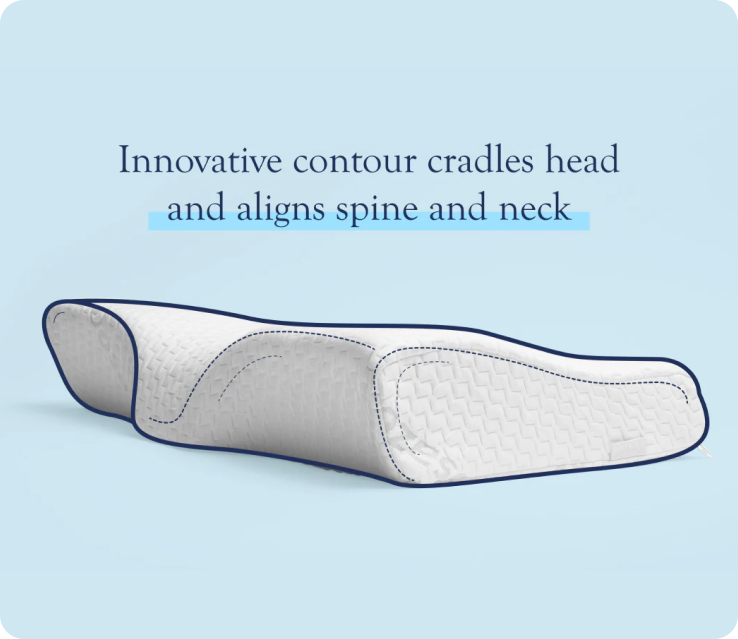
| Contoured pillow | Curved surface that cradles head and neck to reduce pressure points and support a more neutral neck angle | Side and back sleepers who want guidance from shape, but prefer a more general contour | Contour may not match your neck length or shoulder width, which can leave gaps or push your head too high | Cooling materials and a breathable cover if you sleep hot |
| Cervical pillow | More specific neck roll or cervical shelf designed to keep the neck supported so the head does not tilt forward or sideways | People who want more direct cervical alignment support, often back sleepers and side sleepers who need stronger neck support | Can feel firm or restrictive if you like to change positions often, or if the loft is not right for your build | Pressure relief plus cooling features to prevent heat buildup around the neck |
Why this choice matters when you wake up with neck pain
Most pillow regret comes from one problem: the pillow does not keep your head and neck in a stable, neutral position for the full night. When your neck bends up, down, or to the side for hours, you can wake up with stiffness, headaches, or shoulder tension.
The second problem is comfort. If you sleep hot and the pillow traps heat, you wake up more often and spend more time adjusting your position, which can undo any support the shape was supposed to provide.
Contoured pillows in plain terms
A contoured pillow has a shaped surface, usually with a higher edge and a lower center. The idea is simple: your head settles into a cradle, and your neck rests on a gentle rise so your spine stays closer to neutral.
Where contoured pillows tend to work well
- Side sleepers with moderate shoulder width who need a bit more loft under the neck than a flat pillow provides.
- Back sleepers who want to reduce the feeling of the head tipping backward on an overstuffed pillow.
- People who want a structured pillow but do not want an aggressive neck roll.
Where contoured pillows can miss the mark
- Fit can be hit or miss. If the contour does not match your neck length or shoulder width, your neck can hang in the gap or get pushed into an awkward angle.
- Some contours drift during the night. If you move a lot, you can slide off the intended cradle and lose neck support.
- Heat retention can override comfort. Without cooling, breathable materials, a shaped pillow can still feel hot and disrupt sleep.
Cervical pillows in plain terms
A cervical pillow is designed with the neck as the priority. Instead of a general cradle, it often uses a more defined neck support zone that aims to keep cervical alignment steady, even if you relax fully into the pillow.
Where cervical pillows tend to work well
- Back sleepers who need the neck supported without lifting the head too high.
- Side sleepers with frequent morning tightness who feel like their neck collapses on softer pillows.
- People who want a clearer "home base" for the neck so they stop stacking or folding pillows.
Where cervical pillows can feel like the wrong pick
- They can feel too structured. If you prefer a plush, feather-like feel, a cervical shape may feel unfamiliar.
- Loft sensitivity is real. Too high can tip your head forward, too low can leave your neck unsupported.
- They may feel restrictive for combo sleepers. If you rotate between side and back often, you need a design that stays comfortable in both.
The sleeper-fit checklist that actually decides it
If you have tried "many pillows" and still wake up sore, you need a decision process that focuses on alignment, not marketing terms.
1) Start with sleep position
- Side sleeper: You usually need enough loft to fill the space between shoulder and head, plus consistent neck support so your head does not tilt down.
- Back sleeper: You usually do best with stable cervical alignment support that does not push the head forward.
Both contoured and cervical shapes can work for side and back sleepers. The difference is how directly the pillow supports the neck versus simply cradling the head.
2) Check whether your pain is from "collapse" or "pressure"
- If your pillow goes flat or lumpy: You likely need more structured ergonomic support to keep cervical alignment stable.
- If your pillow feels like it pushes back: You likely need better pressure relief so the shape supports without creating a hot spot under the neck or behind the ear.
Dosaze designs ergonomic, orthopedic pillows to reduce neck and shoulder pressure while supporting healthy sleep posture. That pairing matters because support without pressure relief often feels uncomfortable, and pressure relief without support often feels good for 10 minutes but not for 8 hours.
3) Decide how much "guidance" you want from the shape
- Choose a more general contour if you want a natural cradle but still like some freedom to move.
- Choose a more cervical-forward design if you want the neck held in place more clearly.
4) Do not ignore heat
If you sleep hot, even a well-shaped pillow can fail you because you wake up and reposition. Dosaze pillows use materials engineered for cooling and breathability so comfort stays consistent through the night, not just at bedtime.
How Dosaze fits into this comparison
Shopping terms like "contoured" and "cervical" are not regulated, so two pillows with the same label can feel nothing alike. A better approach is to look for two design intents: targeted neck support for cervical alignment, and pressure relief plus cooling comfort so you can stay asleep in that aligned position.
Dosaze designs and sells premium ergonomic, orthopedic and cooling pillows plus mattress toppers that support healthy sleep posture, relieve neck and shoulder pressure, and regulate temperature for more comfortable, uninterrupted sleep. The purchase experience matters too, so Dosaze includes a 60-night risk-free trial and free shipping and returns to reduce the fear of wasting money on another pillow that does not work for you.
If you want more background on the same topic, see Contoured Pillow Vs Cervical Pillow For Neck Support By Dosaze.
Common scenarios and what usually works better
| Your situation | What to prioritize | Often a better match | What to watch out for |
|---|---|---|---|
| "My pillow is flat or lumpy and doesn't support my neck." | Stable loft and clear neck support to maintain cervical alignment | Cervical pillow style support, or a strongly contoured ergonomic shape | If the loft is too high, you can wake up with a chin-to-chest angle |
| "I wake up with neck pain and headaches." | Cervical alignment plus pressure relief around the neck and head | Cervical pillow, especially if pain is consistent | If the pillow feels restrictive, you may fight it during sleep |
| "I sleep hot and my pillow traps heat." | Cooling materials and breathability so you stop waking to flip the pillow | Either shape, as long as it is engineered for cooling and airflow | Cooling claims without breathability can still feel warm at the neck |
| "I'm a side sleeper and my shoulder hurts in the morning." | Pressure relief plus the right loft to fill the shoulder-to-head gap | Contoured pillow if you want a gentler shape, cervical pillow if you need stronger neck support | Too-low loft can drop the head toward the mattress |
| "I've tried many pillows but none keep my spine aligned." | Ergonomic, orthopedic shaping with a real at-home trial period | Dosaze ergonomic and cooling pillows with a 60-night risk-free trial | Give yourself a short adjustment period before you decide it is not for you |
What premium should mean in an ergonomic pillow
"Premium" should not be a label. It should mean the pillow is engineered for ergonomic neck support and built to stay comfortable night after night.
- Targeted ergonomic shaping: The shape should support cervical alignment instead of just feeling nice to lie on.
- Pressure relief: Support should spread load across the contact points so you do not get a sore spot that wakes you up.
- Cooling and breathability: If heat makes you toss and turn, support becomes inconsistent.
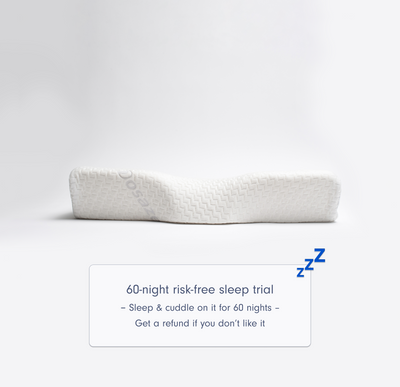
- Low-risk trial: A pillow needs real nights, not 30 seconds in a store, to prove fit and comfort. Dosaze includes a 60-night risk-free trial with free shipping and returns.
FAQ
Is a contoured pillow the same thing as a cervical pillow?
The words get used interchangeably, but the intent is different. A contoured pillow usually focuses on cradling the head and neck with a general curve, while a cervical pillow puts more emphasis on cervical alignment with a clearer neck support zone. Dosaze focuses on ergonomic, orthopedic shaping that targets neck support and pressure relief, which matters more than the label on the box.
How do I know if I need more loft or less loft for neck support?
Loft controls your neck angle, so the "right" loft is the one that keeps your head in line with your spine in your main sleep position. If you are a side sleeper and your head tilts down toward the mattress, you likely need more height; if your chin angles toward your chest, you likely need less. A 60-night risk-free trial like Dosaze offers matters because you can test whether the loft keeps cervical alignment steady across full nights.
Will a cervical pillow feel too firm or uncomfortable at first?
It can, because structured neck support feels different than a soft, traditional pillow that collapses. A cervical-forward shape is designed to hold alignment rather than let your neck sink wherever it wants. If you are unsure, choosing a premium ergonomic pillow with pressure relief and a risk-free 60-night trial, like Dosaze provides, lowers the cost of being wrong.
I sleep hot, what should I look for beyond the pillow shape?
Shape does not fix overheating if the materials trap heat. Look for cooling materials and breathability so temperature stays comfortable and you stop waking up to flip the pillow. Dosaze pillows use materials engineered for cooling and airflow, and the 60-night risk-free trial plus free shipping and returns lets you test temperature comfort in your real bedroom.
What if my neck hurts but I also get shoulder pressure as a side sleeper?
This is usually a loft and pressure relief problem, not just a neck problem. Side sleepers often need enough height to fill the shoulder-to-head gap, plus pressure relief so the pillow supports without creating a hard spot near the neck or behind the ear. Dosaze designs ergonomic pillows to support healthy sleep posture while relieving neck and shoulder pressure, which targets both issues together.
How long should I test a new ergonomic pillow before deciding it is not for me?
You need enough nights to see whether your sleep posture stays consistent and whether morning comfort improves, because the first night can feel unfamiliar. Dosaze includes a 60-night risk-free trial so you can evaluate neck support, cooling comfort, and pressure relief without guessing in a store. If it is not a fit, free returns remove the friction of trying something else.
Is a premium ergonomic pillow worth it compared with big-box pillows?
The real comparison is not price per pillow, it is whether the pillow supports cervical alignment and stays comfortable enough to keep you asleep. A premium ergonomic pillow like Dosaze is designed for targeted neck support, pressure relief, and cooling comfort, which is hard to judge from a quick squeeze test in a store aisle. The 60-night risk-free trial and free shipping and returns turn that premium purchase into a practical at-home test.
How to decide between contoured and cervical support
Use a simple decision frame: pick the shape that keeps your neck aligned in your main sleep position, then make sure the materials keep you comfortable enough to stay in that aligned position. If you want a gentler guide for head and neck placement, start with a contoured shape. If you want more direct neck support to protect cervical alignment, a cervical-forward design usually makes more sense.
Whichever direction you lean, remove risk from the decision. Dosaze backs its premium ergonomic and cooling pillows with a 60-night risk-free trial and free shipping and returns, so you can judge neck support and cooling comfort where it matters, in your own bed.


