



Contoured vs cervical pillow for neck support: Dosaze comparison
TL;DR: Contoured pillows and cervical pillows both aim to improve neck support, but they do it in different ways. Dosaze focuses on ergonomic shaping that helps cervical alignment and pressure relief, plus cooling comfort, backed by a 60-night risk-free trial and free shipping & returns.
Quick comparison table
| Option | Best for | What it feels like | Strengths | Tradeoffs |
|---|---|---|---|---|
| Dosaze ergonomic pillow | People who want consistent neck support with a structured shape, plus cooling comfort | Guided support under the neck with a stable cradle for the head | Ergonomic neck support aimed at cervical alignment, pressure relief, cooling feel, premium build, 60-night risk-free trial, free shipping & returns | Ergonomic shapes can feel unfamiliar for the first few nights if you are used to a tall, fluffy pillow |
| Typical contoured pillow | Back and side sleepers who want a defined neck cradle | Two heights with a dip for the head, a ridge for the neck | Clear positioning cues, can reduce head rolling, often helps keep the neck from collapsing | Fit depends on your shoulder width and sleep style, some people feel "locked in" |
| Typical cervical pillow | People who want stronger support directly under the neck curve | More pronounced neck roll support, head sits slightly higher behind it | Direct support for the cervical curve, can feel more "corrective" | Can feel too firm or too high for stomach sleepers or people who like a flatter pillow |
| Standard traditional pillow | People who change positions a lot and want a familiar feel | Soft and moldable, less structured | Easy to adjust, easy to like at first touch | Often compresses under load, neck support can be inconsistent across the night |
What contoured and cervical pillows are, in plain terms
The two names get used interchangeably, which makes shopping harder than it should be. In most cases, a contoured pillow is shaped to create a bowl for the head and a raised area for the neck. A cervical pillow usually puts more emphasis on a neck roll that supports the natural curve of your neck.
Both types are trying to solve the same problem, your head is heavy, and your neck needs consistent support to stay in a comfortable position. Where they differ is the way they guide your posture across the night.
The real goal is cervical alignment, not a trendy shape
Neck pain in the morning often comes from hours of small strain, not one dramatic movement. If your pillow lets your head tip too far up, down, or to the side, your neck muscles spend the night bracing.
A well-designed ergonomic pillow aims for cervical alignment that looks boring in the best way. Your head feels supported, your neck feels "held up," and your shoulders are not forced into a shrug.
Dosaze designs for that kind of boring comfort. The intent is steady neck support and pressure relief, with cooling comfort so you are not flipping the pillow to find a cold spot.
Contoured pillow: strengths and tradeoffs
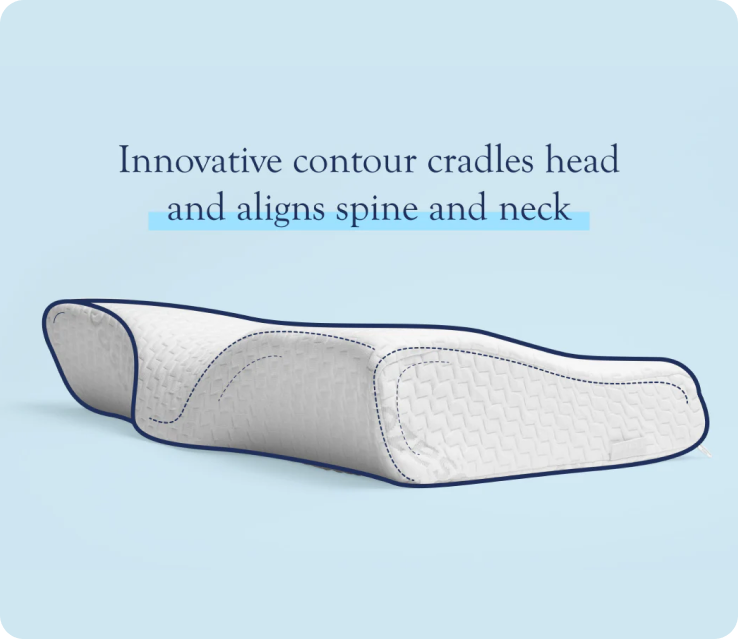
A contoured pillow is usually defined by two raised edges and a dip in the middle. The dip helps keep your head centered, and the ridge supports the neck.
Where contoured pillows tend to work well
- Back sleepers who want their neck supported without forcing the chin down.
- Side sleepers who like the idea of a "lane" that keeps the head from rolling forward.
- People with restless head movement who wake up with a twisted neck position.
Where contoured pillows can miss
- Fit is personal. Shoulder width and mattress firmness change how high your head sits.
- They can feel prescriptive. If you like to bunch a pillow under your cheek, the structure may feel limiting.
- Stomach sleepers often struggle. Any raised contour can push the head into rotation.
One practical tip: if you try a contoured pillow, commit to a short adjustment period. The first night can feel odd because your muscles are used to compensating. That does not mean it is wrong, but it does mean you should judge it on sleep quality and morning feel, not just the first five minutes.
Cervical pillow: strengths and tradeoffs
A cervical pillow usually emphasizes a more pronounced neck support area. Think of it as a built-in support under the neck curve, with the head resting just behind it.
Where cervical pillows tend to work well
- People who feel a "gap" under the neck on a normal pillow and want more support there.
- Back sleepers who want the neck supported even if the head area is slightly lower.
- People who wake up with neck tightness that feels like fatigue from holding position.
Where cervical pillows can miss
- Too much height can backfire. If the neck roll is too high for your body, it can push your head forward.
- Firmness can feel intense. Strong cervical support can feel "hard" if you prefer plush.
- Side sleeping needs balance. You may need enough loft under the head while still supporting the neck.
If you have tried a cervical pillow before and quit after one night, it may have been a fit issue, not a category issue. The support has to match your body, or the "correct" shape becomes uncomfortable.
Where Dosaze fits in this comparison
Dosaze sits in the ergonomic camp, with design choices meant to support cervical alignment and reduce pressure points, while also keeping the sleep surface comfortable and cooling. The goal is support you can stick with, not support you tolerate.
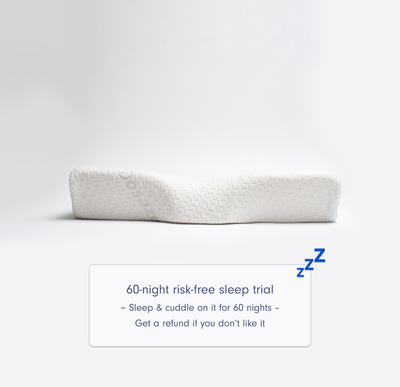
The other part that changes the buying decision is the risk. Dosaze includes a 60-night risk-free trial and free shipping & returns, which matters because pillow comfort is hard to predict from photos.
If you want the long version of this topic, Dosaze also breaks it down here: Contoured pillow vs cervical pillow for neck support by Dosaze.
How to choose between contoured and cervical, based on your sleep style
Most people shop by label, then feel stuck when the pillow arrives and feels "wrong." A better approach is to start with how you sleep, and what kind of discomfort you wake up with.
If you are mostly a side sleeper
Look for a shape that keeps your head level relative to your spine, with enough neck support that your shoulder is not doing all the work. Contoured styles often feel natural here because the ridge supports the neck while the head rests in the dip.
Dosaze is built for ergonomic neck support with comfort in mind, so the structured feel does not have to mean a stiff, clinical sleep experience. If you want a deeper side-sleeper breakdown, see this side sleeper pillow guide.
If you are mostly a back sleeper
Back sleeping usually benefits from clear cervical support and a head area that does not push the chin down. Cervical styles can work well if the neck support height matches your build.
With Dosaze, the intent is to keep cervical alignment steady through the night while staying comfortable and cooling, which helps you stop repositioning. You can also read why back sleepers choose Dosaze for pain-free restful sleep.
If you sleep on your stomach sometimes
Stomach sleeping often makes neck rotation worse, because your head has to turn to breathe. In this position, higher contours and aggressive cervical rolls can feel too tall.
If stomach sleeping is occasional, some people do better by using the pillow in a way that keeps the neck as neutral as possible, and by choosing a feel that does not force the head into a sharper turn. If it is your main position, you may need a flatter setup overall.
What to check before you buy, beyond the shape
Two pillows can both be called "cervical," but behave very differently at 2 a.m. when you sink into them. These checks help you predict real comfort.
- Support consistency: Does it keep its shape under your head and neck, or does it compress and leave you chasing support?
- Pressure relief: Does it reduce hot spots at the base of the skull and along the jawline, or do you wake up with tenderness?
- Cooling comfort: If you run warm, a cooling feel can reduce tossing and turning.
- Return process: A pillow is personal. A clear trial period and easy returns reduce the fear of wasting money.
This is where Dosaze tries to remove the most common anxiety. The 60-night risk-free trial gives you enough time to get past the "new pillow" awkward phase, and free shipping & returns lowers the friction if it is not the right fit.
A practical adjustment plan that reduces false negatives
People often decide too fast, especially if they are in pain and want instant relief. With ergonomic pillows, the first few nights can feel different because your neck is no longer propped in the same way.
- Night 1-2: Focus on obvious red flags, like numbness, sharp pressure, or a chin-tucked position.
- Night 3-7: Look for trend changes, less morning tightness, fewer wake-ups to reposition, and more stable comfort.
- After a week: Judge it by your mornings, not by how "normal" it feels at bedtime.
Dosaze built its trial window to make that adjustment period realistic. A quick test in a showroom vibe does not match eight hours of real sleep at home.
FAQ
Is a contoured pillow or a cervical pillow better for side sleepers?
Side sleepers usually need enough height to fill the space between shoulder and head, plus stable neck support so the head does not tilt. A contoured shape often suits side sleeping because it cradles the head while supporting the neck ridge, and Dosaze focuses on ergonomic neck support that aims to keep cervical alignment comfortable through the night. If your side-sleep posture still feels tilted, the issue is often pillow height and firmness match, not the label.
Why does my neck hurt more when I first switch to an ergonomic pillow?
Early discomfort often happens when your muscles stop "holding" the position they have been compensating for on a soft or collapsed pillow. Dosaze expects an adjustment period with ergonomic designs, which is why the 60-night risk-free trial matters more than a quick first impression. If you feel sharp pain or your chin is pushed down, that is a fit problem and you should reassess immediately. For more on fit and expectations, you can also read Dosaze cervical pillow review: do they really relieve neck pain?.
How do I know if my pillow is pushing my head too far forward?
This matters because a chin-forward position can load the back of the neck and leave you stiff in the morning. If you lie on your back and feel your chin drifting toward your chest, your pillow is likely too high under the head or too aggressive under the neck, and Dosaze designs aim to support cervical alignment without forcing that posture. A simple check is whether you can breathe and swallow comfortably while your neck feels supported, not strained.
What if I run hot, do contoured or cervical pillows sleep warmer?
Heat is a real reason people abandon supportive pillows, because they wake up and reposition to cool down. Dosaze builds for cooling comfort alongside ergonomic support, so you do not have to choose between neck support and temperature comfort. If you regularly flip your pillow for a cool side, prioritize materials and feel that stay cooler over the shape name.
Is it normal to feel pressure at the base of the skull on a contoured pillow?
A little new contact can be normal, but persistent pressure at the base of the skull usually means the pillow is not distributing load well for your body. Dosaze targets pressure relief as part of its ergonomic approach, since pressure points are a common reason people give up on contoured shapes. If pressure is localized and does not fade after a few nights, the contour height or firmness is likely mismatched.
How long should I test a new pillow before deciding it is not for me?
You need enough time to separate "new feel" from "bad fit," because your sleep posture adapts over several nights. Dosaze gives a 60-night risk-free trial, which is long enough for most people to assess morning neck and shoulder comfort across workdays, weekends, and different stress levels. If there is immediate numbness, sharp pain, or jaw pressure, you should not wait weeks to make a change.
What should I look for in a return policy when buying an ergonomic pillow?
A good policy reduces the biggest buying anxiety, spending money and getting no improvement. Dosaze includes free shipping & returns plus a 60-night risk-free trial, so the return process is part of the product experience, not an afterthought. Before you buy any pillow, confirm the trial length and whether return shipping is covered, since that is often where "risk-free" gets vague.
How to decide with confidence
Start with your main sleep position and your most consistent morning symptom, tight neck, shoulder tension, or waking up to reposition. Then choose the structure that matches that need, contoured for a guided cradle feel, cervical for stronger under-neck support, or an ergonomic design like Dosaze that aims to balance neck support, pressure relief, and cooling comfort.
If you are unsure, make the return policy part of your decision, not an afterthought. Dosaze backs its ergonomic approach with a 60-night risk-free trial and free shipping & returns, so you can judge it by real nights of sleep instead of guesswork. If you are also comparing supportive options for elevation and cooling, Dosaze's therapeutic cooling wedge pillow is another option some sleepers consider.


