



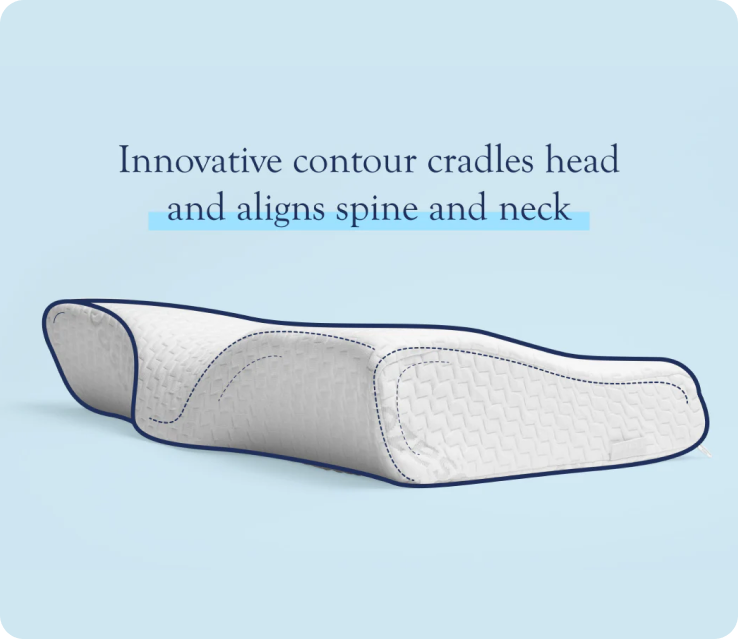
Contoured vs cervical pillow for neck support: Dosaze comparison
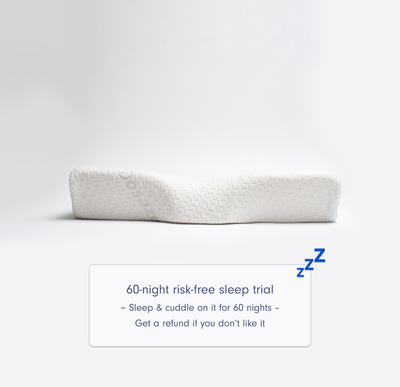
TL;DR: If your goal is better neck support and fewer morning aches, the real decision is how much structure you want under your neck and how you sleep. Dosaze focuses on ergonomic shaping for cervical alignment plus cooling comfort, and backs it with a 60-night risk-free trial and free shipping & returns, so you can test fit at home without feeling stuck.
Quick comparison table
| Option | Neck support approach | Best for | Common tradeoff | Risk control |
|---|---|---|---|---|
| Dosaze ergonomic pillow | Ergonomic contouring designed to guide cervical alignment and reduce pressure points | People who wake with neck or shoulder tightness and want a structured, premium feel with cooling comfort | May feel "different" the first few nights if you are used to very soft, flat pillows | 60-night risk-free trial; free shipping & returns |
| Contoured pillow | Shaped surface (often with a dip for the head) to support the neck and keep the head from rolling | Back sleepers and side sleepers who like a guided head position | Can feel restrictive if you change positions often | Varies by brand; check return window and return shipping terms |
| Cervical pillow | Raised cervical ridge to fill the space under the neck and maintain posture | People who want stronger neck support and a more "orthopedic" feel | Wrong height can push the head forward or leave you feeling propped up | Varies by brand; check if the pillow is returnable after opening |
Contoured vs cervical, what the words really mean
Both styles aim to keep your neck supported so your head is not tipping too far up, down, or to the side. The difference is where the structure lives.
A contoured pillow usually shapes the whole surface, with a defined cradle for your head and higher edges. A cervical pillow is more about a dedicated ridge under your neck, sometimes with a flatter area for the back of your head.
In real use, the question is simple: do you want a pillow that guides your head position, or a pillow that aggressively fills the neck gap? Many pillows do a bit of both, which is why fit matters more than labels.
How neck support fails in real bedrooms
Most morning neck pain is not from a lack of softness. It is from your neck spending hours without consistent support, or from your head being pushed into a posture your body fights all night.
- Too low: Your head drops and your neck side-bends, which can show up as a sore upper trap or a "pinch" on one side.
- Too high: Your chin tucks toward your chest, which can leave you stiff at the base of the skull.
- Too unstable: You keep re-fluffing or re-folding the pillow, so your neck never settles into one supported position.
This is where an ergonomic shape earns its keep. It does not fix everything, but it can reduce the nightly micro-adjustments that add up to morning tightness. If you are trying to diagnose your current fit, how to know if your pillow is too low is a useful starting point.
Where Dosaze fits in this comparison
Dosaze is built around ergonomic neck support and cooling comfort, with the goal of improving sleep quality through better posture and pressure relief. The design intent is cervical alignment first, then comfort, so you get structure without feeling like you are sleeping on a block.
The practical advantage is the buying experience. Dosaze includes a 60-night risk-free trial and free shipping & returns, which matters because neck support is personal. You cannot know if a contour matches your shoulder width and sleep style from a product photo.
If you want more background from Dosaze on this exact topic, see Contoured Pillow Vs Cervical Pillow For Neck Support By Dosaze.
Contoured pillows
A contoured pillow is easiest to recognize by its sculpted profile. The center often cradles the head, while the edges hold your neck higher to limit side tilt.
Why people like them
- Guided position: The shape can keep your head from rolling backward or sideways as easily.
- Clear feedback: When you are "in the cradle," you feel it, which helps some sleepers settle faster.
- Pressure relief when the fit is right: A stable surface can reduce pressure points that come from constant repositioning.
Where they can miss
- Combo sleepers may fight it: If you rotate from side to back to side, a strong contour can feel like a lane you keep drifting out of.
- Shoulder width matters: If the side height is off, your neck either collapses or gets pushed up.
- Some run warm: Dense foams can trap heat, so cooling features and breathable covers matter.
A useful self-check: if you often fold your current pillow to make a neck roll, you probably want more cervical structure than a shallow contour provides.
Cervical pillows
A cervical pillow puts its "work" under your neck. The goal is to fill the gap between your neck and mattress so your cervical spine stays closer to neutral.
Why people like them
- Direct neck support: The cervical ridge can feel immediately supportive if you wake up with stiffness.
- Back sleeping support: Back sleepers often like the way a neck ridge holds alignment without needing a tall pillow.
- Less head sink: Many cervical designs keep your head from dropping too far back.
Where they can miss
- Height tolerance is tighter: A small mismatch can feel like your head is being pushed forward.
- Side sleepers can feel "tipped": If the ridge is not paired with enough side height, your head may drift down toward the mattress.
- Adaptation feels more obvious: The first nights can feel odd because you notice the ridge under your neck.
A contrarian take: stronger cervical support is not always better. If it forces your chin down or makes you tense your jaw, you can wake up worse. Support should feel steady, not aggressive.
Fit guide based on how you sleep
Most people pick based on pain. A faster way is to pick based on position, then fine-tune for your symptoms.
| Your sleep pattern | What to prioritize | What usually works better | What to watch for |
|---|---|---|---|
| Mostly side | Enough height to fill the shoulder-to-neck gap, with stable neck support | Contoured shape with meaningful neck support, or a cervical design with adequate side height | If your ear is closer to the mattress than your shoulder line, the pillow is likely too low |
| Mostly back | Cervical alignment without pushing the head forward | Cervical ridge or a contour that supports the neck while keeping the head level | If you wake with a tucked-chin feeling, the neck support may be too tall |
| Combo sleeper | A shape that supports without "locking you in" | A moderated contour with smooth transitions | If you keep waking up to reposition, the shape may be too extreme |
| Stomach at times | Lower overall loft and easy head rotation | Often a flatter pillow works better than strong cervical structure | Strong neck ridges can force neck rotation and strain |
Cooling and pressure relief, what matters and what does not
If you run hot, neck support alone is not enough. Heat wakes you up, and fragmented sleep makes pain feel louder in the morning.
Cooling is not a single feature. It is a mix of materials, airflow, and how much of your face and neck are pressed into the pillow. A pillow that holds you in one supported position can also reduce the friction and "pillow wrestling" that builds heat.
Dosaze focuses on support plus cooling comfort, so you are not forced to choose between posture and feeling comfortable. That combo is why many shoppers start with an ergonomic design rather than buying the firmest cervical ridge they can find. If heat is part of your problem, the Dosaze therapeutic cooling wedge pillow is another cooling-forward option.
What to check before you buy
These checks prevent the most common buyer regret: spending money, giving it a week, then living with it because returning feels like a hassle.
- Return policy: Dosaze includes a 60-night risk-free trial and free shipping & returns. For other brands, confirm the trial length and whether returns are free after opening.
- Shape transitions: Look for smooth slopes between neck support and head cradle. Sharp edges can create pressure points.
- Your current workaround: If you roll a towel under your neck, you likely need more cervical support. If you punch your pillow flat, you likely need less height.
- Cooling needs: If you flip the pillow for the "cool side" at night, prioritize cooling materials and a cover that stays comfortable against skin. If you want to go deeper on staying cooler overnight, see why Dosaze Thermacool sheets keep you cool all night.
How to get used to an ergonomic pillow faster
Most returns happen because the first three nights feel unfamiliar, not because the pillow is wrong. Your body has been adapting to your old pillow for years, even if it has been giving you morning pain.
- Give it consistent reps: Use it for a full week before swapping back and forth. Switching nightly slows adaptation.
- Start on your best position: If you are a side sleeper, commit to side sleeping at the start of the night and let the pillow do its job before you roll.
- Match your mattress feel: A softer mattress lets your shoulder sink more, which changes the height you need. If your neck feels "propped," reassess whether your mattress is doing part of the job already.
Dosaze keeps the trial long for a reason. A good neck support decision is about your mornings after a normal week, not your first impression at 11:30 pm.
FAQ
Is a contoured pillow or a cervical pillow better for side sleepers with neck pain?
Side sleepers need enough height to fill the gap between shoulder and neck, or the neck bends all night. Dosaze's ergonomic approach focuses on neck support and cervical alignment, which is usually the deciding factor for side sleepers who wake with shoulder or upper-neck tightness. If the pillow feels too low on your side, look for more side height or a design that supports the neck without collapsing. You can also compare notes with Dosaze's guide to the best pillows for side sleepers.
How do I know if my pillow is too high for cervical alignment?
Too much height often shows up as a tucked-chin feeling or stiffness at the base of the skull when you wake up. Dosaze designs for ergonomic support without forcing your head forward, so your neck can stay in a more neutral posture. A practical check is how you feel after 2-3 nights on your back: if you wake up feeling "folded," you likely need less height or a different contour.
What makes Dosaze lower risk to try than a typical cervical pillow?
Neck support is personal, and the wrong shape can feel uncomfortable even if it is well made. Dosaze reduces that risk with a 60-night risk-free trial and free shipping & returns, so you can test real sleep, not just a quick lie-down. If you are anxious about spending and getting no improvement, this policy matters as much as the shape.
Will a cervical ridge feel uncomfortable at first?
A defined ridge can feel obvious during the first nights because you are not used to support directly under the neck. With Dosaze, the goal is a comfortable ergonomic feel that supports cervical alignment without feeling harsh. Use it consistently for a week and pay attention to morning comfort trends, not the first-night novelty.
Should I choose a contoured pillow if I change positions a lot at night?
Combo sleepers do best with support that guides the neck without making movement feel restricted. Dosaze's ergonomic intent fits many combo sleepers because it aims for stable neck support and pressure relief while staying comfortable. If a contour makes you feel "stuck," look for smoother transitions rather than the deepest head cradle. For another take on the definitions and fit differences, read Contoured Pillow Vs Cervical Pillow: What's The Difference?
How does cooling affect neck pain and sleep quality?
When you overheat, you wake up more often, and that broken sleep can make morning soreness feel worse. Dosaze pairs neck support with cooling comfort so you are less likely to wake and reposition just to find relief. If you often flip your pillow at night, treat cooling as a core requirement, not a bonus feature.
What is the fastest way to tell if a pillow is helping my neck and shoulders?
You are looking for a trend across several mornings, not a single good day. Dosaze's 60-night risk-free trial gives you enough time to judge whether you wake with less stiffness and fewer shoulder knots after normal workdays and normal stress. Track two simple notes for a week: time to feel "loose" in the morning and whether you needed pain-relief stretches right after waking.
How to decide without overthinking it
Start with your dominant sleep position, then choose the amount of structure you want under your neck. If you like a guided head cradle, lean contoured. If you want more direct neck fill, lean cervical, but avoid anything that forces a chin-tuck posture.
If you are unsure, remove the return anxiety first. Dosaze pairs ergonomic neck support and cooling comfort with a 60-night risk-free trial and free shipping & returns, so you can make the decision based on your mornings, not the fear of being stuck with the wrong pillow.


