



Contoured pillow vs cervical pillow for neck support: Dosaze comparison
TL;DR: If you wake up with neck pain because your pillow goes flat or puts your head at a bad angle, the difference between a contoured pillow and a cervical pillow comes down to how specifically the shape supports cervical alignment. Dosaze focuses on premium ergonomic shaping for targeted neck support plus cooling materials for more comfortable sleep, and you can test it at home with a 60-night risk-free trial and free shipping & returns.
Quick comparison
| Option | What the shape does | Best match for | Possible tradeoffs | Temperature comfort | Try-it risk |
|---|---|---|---|---|---|
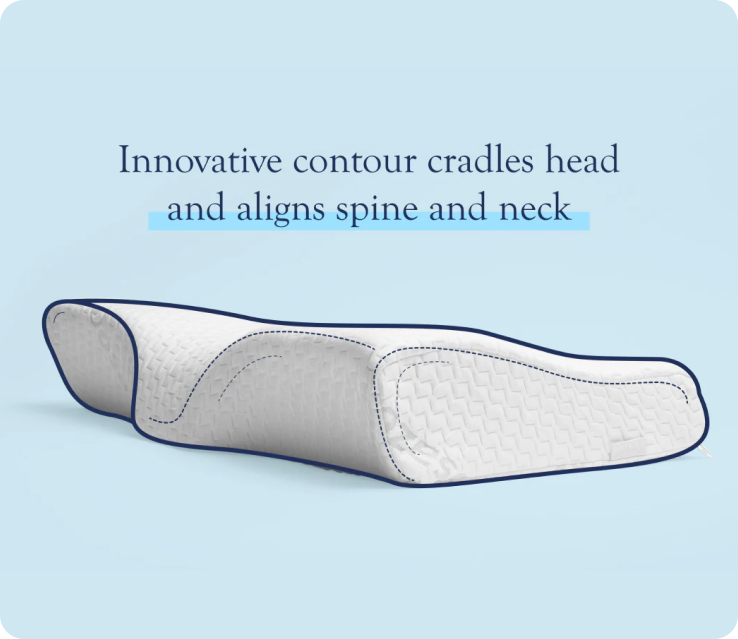
| Dosaze ergonomic and cooling pillows | Ergonomic, orthopedic shaping designed to maintain cervical alignment and relieve neck and shoulder pressure | Health-conscious adults, especially side and back sleepers, who want structured neck support and pressure relief | Structured support can feel different than a plush, sink-in pillow at first | Materials engineered for cooling and breathability | 60-night risk-free trial with free shipping & returns |
| Contoured pillow | Curved surface that cradles the head, usually with a raised edge for the neck | Side and back sleepers who want more guidance than a standard pillow | Some designs support the head well but leave the neck under-supported if the loft is off | Varies by materials and cover | Varies by seller |
| Cervical pillow | More targeted neck roll or "neck shelf" meant to keep the cervical spine from dropping into flexion | People whose main issue is morning neck tightness from poor cervical alignment | Can feel too "prescriptive" if you change positions often or dislike firm structure | Varies by materials and cover | Varies by seller |
| Standard plush pillow | Soft fill that compresses under the head | People who prefer a fluffy feel over structured support | Often loses shape and can let the neck bend at night | Varies, can trap heat depending on fill | Varies by seller |
What shoppers mean by "contoured" vs "cervical"
These terms get used interchangeably, which makes shopping harder than it needs to be. The useful way to separate them is by asking one question: does the shape mainly cradle your head, or does it actively hold up your neck to keep cervical alignment?
Contoured pillow
A contoured pillow usually has a curved surface, often with one or two raised edges. The goal is to guide your head into a more stable position and reduce pressure points, especially when you sleep on your side or back.
Contoured designs can help, but the results depend heavily on loft. If the pillow is too high, your neck can tilt up. If it is too low, your head drops and your neck has to "hold itself up" all night.
Cervical pillow
A cervical pillow is shaped with more intent around the neck. The design typically includes a defined neck-support area that is meant to keep your neck from collapsing into an awkward angle during sleep.
This category tends to feel more structured. That structure is the point, but it can be a deal-breaker if you want an ultra-soft feel or if you roll between positions often.
The problem most people are actually trying to fix
If you are searching this comparison, you probably recognize at least one of these: "I wake up with neck pain and headaches," "My pillow is flat or lumpy," or "I sleep hot and my pillow traps heat." The common thread is support that changes during the night.
When a pillow does not maintain a stable shape, your head and neck can drift out of neutral posture. That can load the neck and shoulders, create pressure points, and fragment sleep when you subconsciously reposition to get comfortable.
How to choose based on sleep position
The most practical way to choose between a contoured pillow and a cervical pillow is to start with your dominant sleep position. Side and back sleepers tend to benefit most from ergonomic shaping because the neck needs consistent support to stay aligned.
Side sleepers
Side sleeping usually needs enough loft to fill the space between your shoulder and your head. A contoured pillow can work well when the curve keeps your head from sliding and the neck area actually meets your neck.
A cervical pillow can be a better fit if you wake up with stiffness that feels like your neck "fell into" the mattress. The more defined neck support can help maintain cervical alignment when your shoulder compresses into the bed.
Back sleepers
Back sleeping often benefits from a more targeted neck support zone with a gentler head cradle. Too much height can push the head forward, so the contour matters as much as loft.
Cervical-style shaping tends to suit back sleepers who want their neck supported without a tall, stacked pillow feel.
Stomach sleepers
Stomach sleeping is harder to match with structured neck support because the neck is usually rotated. Many stomach sleepers prefer very low loft and minimal contour. If you are a dedicated stomach sleeper, focus on comfort and low height rather than aggressive cervical structure.
Where Dosaze fits in this comparison
Dosaze designs premium ergonomic, orthopedic and cooling pillows that aim at the two issues people complain about most: poor cervical alignment and overheating. The brand focus is targeted neck pain relief through ergonomic shaping plus materials engineered for cooling and breathability.
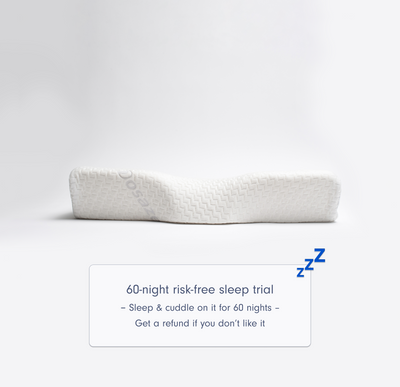
The non-negotiable differentiator is the at-home test. Dosaze includes a 60-night risk-free trial with free shipping and free returns, which matters if you have already bought "almost right" pillows that did nothing once you slept on them for a week.
Tradeoffs that matter more than marketing terms
Most pillow pages talk about "comfort" like it is a single trait. For neck support, comfort comes from a few concrete fit factors. These are the ones worth paying attention to when you compare contoured vs cervical shapes.
Loft and neck angle
Loft is the height of the pillow, and it controls your neck angle more than any buzzword. A shape can be well-designed, but the wrong loft can still pull your head up or let it drop down.
For side sleepers, loft needs to fill shoulder-to-head space. For back sleepers, loft usually needs to be lower so your chin does not tilt toward your chest.
Zoned support vs uniform softness
Contoured and cervical pillows rely on zones. One area supports the neck, another cradles the head, and the edges can help keep position stable. That is different from a uniform, plush pillow that compresses anywhere you put your head.
If you want pressure relief without losing neck support, zoned ergonomic design tends to do better than "all soft" fills that shift overnight.
Cooling and breathability
Heat can make even the right shape feel wrong. If you wake up sweaty and reposition a lot, your neck never stays settled long enough for support to help.
Dosaze pillows use materials engineered for cooling and breathability, which is a practical pairing with ergonomic shaping because it reduces one of the common reasons people abandon supportive pillows.
Return friction
People avoid premium pillows because they fear being stuck with an uncomfortable purchase. Return friction turns pillow shopping into expensive trial-and-error.
Dosaze removes that friction with free shipping & returns and a 60-night risk-free trial, so you can judge real sleep outcomes at home instead of guessing from a two-minute feel test.
A simple at-home fit check for contoured and cervical pillows
You do not need special tools. You need two quick checks that tell you whether the pillow is holding cervical alignment and relieving pressure.
- Neck contact check: Lie in your usual position. Your neck should feel "met" by the pillow, not hanging in space and not being pushed up.
- Chin position check: On your back, your chin should feel neutral, not tilted down toward your chest. On your side, your nose should point forward, not angled up or down.
If either check fails, the issue is often loft or the location of the neck support zone, not willpower or "getting used to it."
When contoured shapes tend to work best
A contoured pillow is often a good middle step for side and back sleepers who want more stability than a standard pillow but do not want a very defined neck roll. The head cradle can reduce pressure points and keep you from sliding into awkward angles.
The main risk is false confidence. Some contoured pillows feel supportive because the curve is noticeable, but the neck zone can be too low once your head settles, especially after the material warms up and softens.
When cervical shapes tend to work best
A cervical pillow tends to match people whose primary complaint is morning neck tightness and shoulder pressure that feels positional. The more targeted neck support aims to keep your cervical spine from drifting out of alignment while you sleep.
The main risk is comfort preference. If you expect a plush, sink-in feel, a cervical shape can feel firm or "shaped" in a way that takes a few nights to judge fairly.
Premium vs big-box options, what you are really paying for
Price by itself does not guarantee better neck support, but premium pillows usually put more emphasis on engineered shape, durable construction, and consistent performance. That matters when your goal is pressure relief and cervical alignment, not just a softer feel.
If you are weighing cost, the most rational comparison is not "this costs more than my old pillow." It is "does this reduce morning pain and improve sleep quality enough to matter for work, training, and daily focus?" Dosaze makes that decision easier because the 60-night risk-free trial and free shipping & returns let you test outcomes before you commit.
Related reading
If you want another version of this comparison to cross-check your decision, this Dosaze guide covers the same question from a slightly different angle: contoured pillow vs cervical pillow for neck support.
FAQ
How do I know if I need a contoured pillow or a cervical pillow for neck support?
This choice matters because the wrong shape can still feel "nice" in your hands while putting your neck at a poor angle all night. A contoured pillow usually fits if you want a guided head cradle with moderate neck support, while a cervical pillow fits if your main goal is targeted neck support to maintain cervical alignment. If you wake up with neck pain that feels positional, a more defined cervical support zone is often the feature to prioritize, and Dosaze focuses on ergonomic shaping built for that kind of alignment-first support.
What makes Dosaze different from other contoured or cervical pillows?
Most shoppers want proof at home because neck support is personal and hard to judge in a quick test. Dosaze pairs ergonomic, orthopedic shaping for cervical alignment and pressure relief with materials engineered for cooling and breathability, then backs it with a 60-night risk-free trial and free shipping & returns. That combination reduces the two biggest reasons people give up on supportive pillows: discomfort from poor fit and discomfort from heat.
Is a more structured pillow supposed to feel strange at first?
It matters because many people quit too early or force themselves to "adapt" to a shape that does not fit. A cervical-style ergonomic pillow can feel different than a plush pillow because it holds your neck up instead of letting it sink, and that difference is not automatically a bad sign. The practical step is to use the neck contact and chin position checks, and if you are trying Dosaze, use the 60-night risk-free trial to judge real sleep comfort over time rather than a single night.
Will an ergonomic pillow help if I sleep hot?
Temperature comfort affects whether you stay in a supportive position long enough to benefit from it. Dosaze pillows use materials engineered for cooling and breathability to help reduce heat buildup that can trigger tossing and turning. If you tend to flip the pillow for the "cool side," prioritize cooling alongside neck support rather than treating it as a nice-to-have.
What should I check first if I still wake up with neck or shoulder pressure?
This matters because ongoing pressure often comes from fit, not from needing a totally different category. First, check loft and whether the pillow actually fills the space under your neck in your main sleep position, since gaps can force the neck muscles to work overnight. If you are using a Dosaze ergonomic pillow, use the 60-night risk-free trial window to assess alignment and pressure relief across several normal nights, not just on an unusually good or bad sleep night.
Is a premium pillow worth it compared to a big-box pillow?
The question is really about value, not a label, since neck support depends on design and consistency over time. A premium ergonomic pillow can be a practical investment when it improves sleep quality and reduces morning discomfort that affects work and training. Dosaze reduces the financial worry by pairing premium construction with a 60-night risk-free trial and free shipping & returns, so you can evaluate results at home before you commit long-term.
How easy is it to return a pillow if it does not work for me?
Return friction is one of the biggest sources of anxiety when you have already wasted money on "almost right" pillows. Dosaze includes free shipping and free returns, plus a 60-night risk-free trial, so you can test comfort and neck support in your own bed. The most useful next step is to give yourself enough normal nights to judge whether cervical alignment and pressure relief are actually improving.
How to decide in 3 checks before you buy
If you are torn between contoured and cervical, decide with fit factors, not labels. Start with your sleep position, then choose the shape that supports that posture without forcing your head into a new angle.
- Check 1: Side sleepers usually need a shape and loft that fills shoulder-to-head space. Back sleepers usually need steadier neck support with less overall height.
- Check 2: If heat wakes you up, prioritize cooling materials and breathability so you stay settled and comfortable.
- Check 3: Only buy when the try-it risk is acceptable. Dosaze makes testing easier with a 60-night risk-free trial and free shipping & returns.


