



Contoured vs cervical pillow differences for neck support by Dosaze
TL;DR: Contoured and cervical pillows both aim to improve neck support, but they solve different problems. Dosaze focuses on ergonomic neck support and cooling comfort, and backs the feel with a 60-night risk-free trial plus free shipping & returns, so you can test cervical alignment at home without worrying about being stuck with the wrong pillow.
Contoured vs cervical pillows at a glance
| Option | What it is | Where it tends to feel best | Possible tradeoffs | Return-risk comfort |
|---|---|---|---|---|
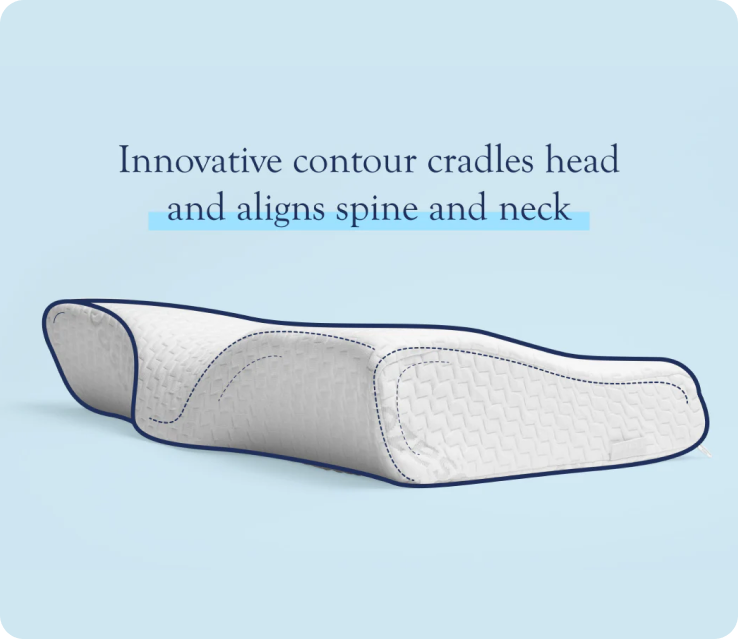
| Dosaze ergonomic pillow | An ergonomic pillow designed to support sleep posture, cervical alignment, and pressure relief with cooling comfort | People focused on neck support who also want a cooler, comfortable feel across the night | Any ergonomic pillow can take a short adjustment period if you are used to very flat or very tall loft | 60-night risk-free trial, free shipping & returns |
| Contoured pillow | A shaped pillow with curves or ridges that guide head and neck placement | Back sleepers and many side sleepers who want a "guided" cradle for the head | The contour can feel restrictive if you move positions a lot | Depends on brand |
| Cervical pillow | A pillow designed to support the neck curve more directly, often with a neck roll area | People whose main goal is neck support and reducing morning neck and shoulder pain | If the neck support is too high or too firm, it can feel like it pushes your head forward | Depends on brand |
| Traditional pillow | A standard shape pillow with a more uniform surface | People who prefer a familiar feel and simple styling | Often compresses under the neck, which can reduce cervical alignment for some sleepers | Depends on brand |
The real difference is what gets supported first
Most shoppers assume "contoured" and "cervical" mean the same thing. They overlap, but the design intention is different.
A contoured pillow usually prioritizes where your head lands, then shapes the area under your neck around that. A cervical pillow prioritizes your neck curve first, then the head rest area supports that position.
That sounds subtle, but it changes how the pillow behaves when you shift, how your shoulders settle, and whether you wake up with that stiff, pinchy feeling at the base of the neck.
How contouring affects neck support and cervical alignment
Contour is the geometry that tells your body, "rest here." The benefit is consistency, you get a repeatable position night after night.
The downside is that strong contour can feel too "assigned" if you are a restless sleeper. If you rotate from side to back, or slide down the pillow, the contour can stop matching your anatomy and you can lose neck support.
This is why fit matters more than buzzwords. Two pillows can both be contoured, but one may match your shoulder width and sleep posture, and the other may tilt your chin up or drop your head to the side.
How cervical support changes pressure relief across the shoulders
Cervical support is about maintaining the natural curve of your neck so your head is not hanging backward or being pushed forward. When that curve is supported, many people feel less tension in the upper traps and shoulder line in the morning.
A common mistake is assuming more neck roll equals better. If the support is too aggressive, it can create a pressure point under the neck and make you feel like you are being propped up instead of relaxed.
Dosaze designs for ergonomic neck support and pressure relief together, because posture that looks "correct" but feels uncomfortable rarely lasts past a few nights.
Dosaze perspective on what makes a pillow work for pain
Morning neck and shoulder pain often comes from a simple mismatch: your pillow height and shape do not match your sleep posture. That mismatch can show up as chin tilt, head rotation, or one shoulder creeping up toward the ear.
Dosaze focuses on ergonomic design engineered for optimal sleep posture, plus cooling comfort so you do not have to choose between neck support and a comfortable feel.
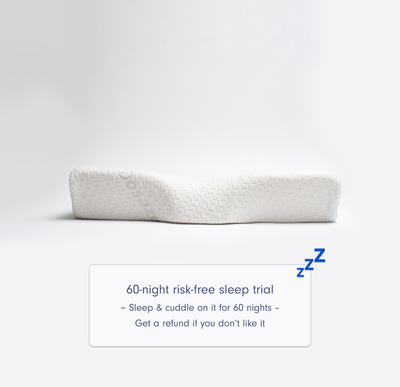
The practical piece is the trial. Dosaze offers a 60-night risk-free trial with free shipping & returns, which matters because the first night is not a real test. Your body needs a little time to settle into new cervical alignment.
Which one tends to fit your sleep position
Side sleepers
Side sleeping usually needs enough height to fill the space between your shoulder and your neck. If the pillow is too low, your head tilts down and you may feel strain along one side of the neck.
Many side sleepers like contoured shapes because the head cradle can reduce drift during the night. Cervical-focused designs can work well too, as long as the neck support does not create a hard ridge under the jawline.
If you want more help choosing, see the Dosaze guide to the best pillow for side sleepers.
Back sleepers
Back sleeping usually benefits from steady neck support without pushing the head forward. A contoured pillow can help keep the head centered, while a cervical pillow can support the neck curve directly.
If you tend to slide down your pillow, look for a design that still supports the neck when your head is not perfectly centered. That is one of the first things to check during a home trial.
Combination sleepers
If you switch positions, a mild contour often feels less restrictive than a deep, fixed cradle. You want support that adapts when you rotate, not a shape that forces you back into one groove.
This is where the return policy becomes part of the product. With Dosaze, you can actually test how the pillow feels across a normal week of movement because the 60-night risk-free trial gives you room to evaluate.
Cooling and comfort matter more than most people admit
A pillow can have "perfect" neck support on paper and still fail because you cannot stay asleep on it. Heat buildup and discomfort create micro-wakeups, and you end up changing positions to cool off, which breaks alignment.
Dosaze puts cooling alongside ergonomic support for that reason. The goal is a pillow that supports cervical alignment while still feeling comfortable enough to keep you from chasing the cold side of the bed at 3 a.m.
If sleeping hot is a big issue for you, the Dosaze Thermacool Adjustable Pillow is another option to compare.
What to check on night 1 versus night 14
Most pillow comparisons tell you to judge it immediately. That is often the wrong approach with ergonomic shapes.
- Night 1 check: You should be able to relax your shoulders. If you feel like your shoulders are creeping upward, the pillow is likely too tall or the contour is hitting the wrong spot.
- Morning 1 check: Notice whether you feel a new pressure point under the neck or behind the ear. Mild "newness" is common, sharp pressure is not.
- Week 2 check: Look for consistency. Less morning stiffness and fewer middle-of-the-night adjustments usually means the shape is matching your posture.
Dosaze built the buying process around this reality with a 60-night risk-free trial and free shipping & returns. You are not forced to make a decision before your body has had time to adapt.
Common shopping mistakes that cause pillow regret
- Buying based on labels. "Contoured" can mean anything from a gentle wave to a deep cradle. "Cervical" can mean supportive or overly pushy.
- Ignoring your shoulder width. If your shoulders are broad, you often need more height on your side. If they are narrow, too much height can tilt your head.
- Testing in a perfect pose only. Most people do not sleep like a mannequin. A pillow should still provide neck support when you shift.
- Assuming pain means you need more firmness. Sometimes you need better geometry for cervical alignment, not a harder surface.
Where Dosaze fits in a contoured vs cervical comparison
Dosaze is designed for people who want ergonomic neck support, pressure relief, and cooling comfort in one premium pillow. It is for shoppers who want to reduce morning neck and shoulder pain but do not want to gamble on whether an unfamiliar shape will work.
The safety net is part of the experience. A 60-night risk-free trial with free shipping & returns removes the "what if I hate it" problem that stops many people from trying a more supportive design.
If you are researching neck pain specifically, read Dosaze Pillow Neck Pain.
If you want to read related comparisons from Dosaze, see Contoured Pillow Vs Cervical Pillow For Neck Support By Dosaze.
FAQ
Is a contoured pillow the same as a cervical pillow?
The words get used interchangeably, which makes shopping confusing. A contoured pillow describes the overall shape, while a cervical pillow describes the intent to support the neck curve for cervical alignment. Dosaze focuses on ergonomic neck support and pressure relief, so the goal is not just a shape, it is a more stable sleep posture that still feels comfortable.
How do I know if a pillow is pushing my head too far forward?
This matters because forward head tilt can create morning tightness at the base of the neck. If you feel like your chin is tipped toward your chest when you are on your back, the neck support is likely too high for you. With Dosaze, the 60-night risk-free trial gives you time to confirm this across real nights instead of guessing after 10 minutes on the bed.
What should my neck and shoulders feel like when the pillow is the right fit?
The goal is a relaxed shoulder line and a neck that feels supported, not propped. A good fit usually feels like your head is resting without you bracing your upper traps, and you are not searching for a new spot every few minutes. Dosaze designs around ergonomic neck support and comfort together, because pressure relief only helps if you can actually stay in that posture.
How long should I give a new ergonomic pillow before deciding?
Time matters because your muscles adapt to new cervical alignment, especially if you have used a flat pillow for years. A fair test is multiple nights in a row, including at least a normal workweek when stress and sleep posture are less controlled. Dosaze backs that reality with a 60-night risk-free trial and free shipping & returns, so you can evaluate without return anxiety.
If I sleep hot, should I avoid cervical-style pillows?
Heat affects sleep quality because it can cause you to toss and turn, which breaks alignment. You do not need to avoid cervical support, but you should prioritize a pillow that aims for cooling comfort in addition to neck support. Dosaze puts cooling alongside ergonomic support so the pillow can stay comfortable through the night, not just in the first 20 minutes.
What is the simplest at-home test for cervical alignment?
You want a quick check that reflects real sleeping positions. When you lie on your back, your face should point up without your chin tipping toward your chest, and when you lie on your side, your nose should point forward rather than down toward the mattress. If you are trying Dosaze, use the first week of the 60-night trial to repeat this check at bedtime and again if you wake during the night.
What if the pillow feels strange but my neck feels better in the morning?
This is common because ergonomic support can feel different from a traditional pillow even when it improves sleep posture. If the discomfort is mild and not a sharp pressure point, give it several more nights and monitor whether morning neck and shoulder pain keeps improving. Dosaze makes that easier to do because the 60-night risk-free trial reduces the pressure to decide too fast.
How to decide between contoured and cervical support
Start with your main problem. If you want a more "guided" place for your head, contouring may matter most. If morning neck and shoulder pain is the driver, prioritize cervical alignment and neck support first.
Then focus on two practical factors that decide success: comfort across the whole night, including cooling, and whether you have enough time to test the pillow at home. Dosaze pairs ergonomic design with cooling comfort, and it backs the decision with a 60-night risk-free trial plus free shipping & returns, so you can judge it on real sleep, not showroom seconds.


