



How to Choose the Best Pillow for Side Sleepers (Step-by-Step Guide)
Why Side Sleepers Need a Different Kind of Pillow
Sleeping on your side is one of the most popular — and healthiest — sleep positions. It can reduce snoring, ease acid reflux, and support spinal alignment. But here's the catch: side sleeping creates a significant gap between your head and the mattress. Without the right pillow to fill that space, your neck tilts out of alignment, and you wake up with stiffness, tension headaches, or shoulder pain that follows you through the day.
Choosing the best pillow for side sleepers isn't guesswork. It comes down to a few specific, measurable factors. This step-by-step guide walks you through exactly how to find yours.
Before You Start: What You'll Need
- A few minutes to measure your shoulder width (a soft measuring tape helps)
- Knowledge of your mattress firmness — soft mattresses allow more sink, which affects pillow height
- An honest sense of whether you run hot or cold at night
- Awareness of any neck, shoulder, or back issues
Having this information ready makes every step below faster and more accurate. If you're unsure about your mattress firmness, check out the Dosaze mattress collection for guidance on how different firmness levels interact with pillow choice.
Step 1: Understand the Concept of Pillow Loft
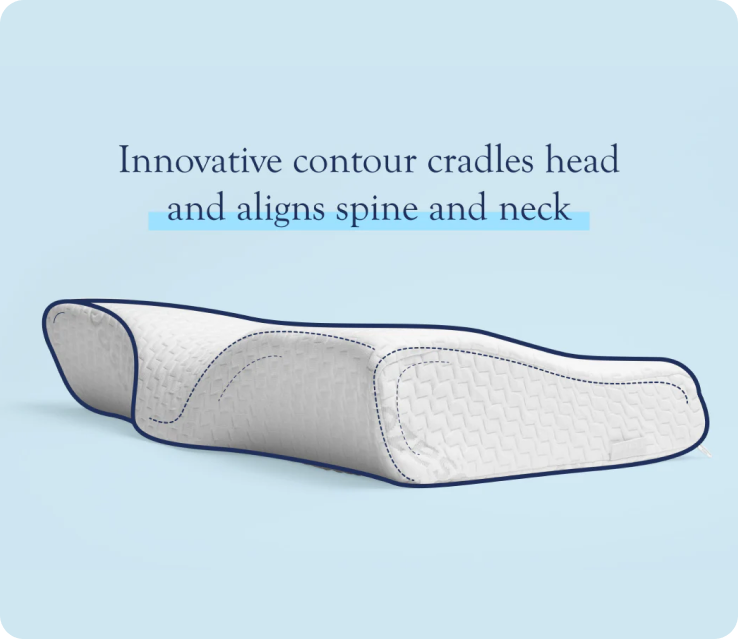
Loft simply means the height — or thickness — of a pillow. For side sleepers, this is the single most important factor. Your pillow needs to be tall enough to keep your head, neck, and spine in a straight, neutral line from ear to shoulder. Too low, and your head droops toward the mattress. Too high, and your neck cranes upward. Either way, your muscles work overtime while you sleep, leading to pain and poor rest.
As a general rule, side sleepers need a medium-to-high loft pillow — typically somewhere in the range of 4 to 6 inches. However, if you have broader shoulders, you'll likely need a higher loft. If your mattress is very soft and your shoulder sinks in significantly, you may need slightly less height to compensate. This is why knowing your mattress type matters before you shop.
Step 2: Choose the Right Firmness Level
A pillow that compresses completely flat the moment your head lands on it defeats the purpose of loft. Side sleepers generally do best with a medium-firm to firm pillow. This level of support holds its shape throughout the night, maintaining that crucial neck-to-spine alignment even as you shift and move.
Firmness also plays a role in pressure relief. A pillow that's too hard can create pressure points against your ear and temple. Look for a fill that offers firm support at the core while still feeling comfortable against your skin — memory foam, latex, and high-quality shredded foam all tend to strike this balance well.
Step 3: Pick a Fill Material That Matches Your Needs
The material inside your pillow determines its feel, breathability, durability, and adjustability. Here's a quick breakdown of the most common options for side sleepers:
- Memory Foam (solid): Excellent contouring and consistent loft. Holds its shape well. Can retain heat, so look for versions with cooling covers or ventilation channels if you tend to sleep warm.
- Shredded Memory Foam or Latex: Highly adjustable — you can add or remove fill to dial in your exact loft preference. A great option if you're between sizes or tend to move between positions during the night.
- Latex (solid or shredded): Naturally resilient and responsive. Sleeps cooler than solid memory foam and offers durable support over time. A strong choice for side sleepers with shoulder sensitivity.
- Down Alternative: Soft and lightweight, but often compresses too easily for committed side sleepers unless the fill is generous and the pillow is designed with structured support in mind.
If temperature regulation is a concern, prioritize breathable fills and covers. Many quality side-sleeper pillows now incorporate phase-change materials or moisture-wicking fabrics in the cover to help you stay cool without sacrificing support.
Step 4: Match Your Pillow to Your Shoulder Width
This step is often overlooked, but it makes a meaningful difference. Take a soft tape measure and measure the distance from the edge of your neck to the outer point of your shoulder. This gives you a sense of how large the gap between your head and mattress actually is when you lie on your side.
If your measurement is on the shorter side (under 5 inches), a medium loft pillow is likely your best fit. If it's larger — as is common for broader-shouldered individuals — lean toward a high-loft option or a shredded fill pillow where you can add extra material for a customised height. Getting this number right can dramatically reduce neck and shoulder discomfort.
Step 5: Consider Your Secondary Sleep Position
Most people don't stay perfectly still in one position all night. If you occasionally roll onto your back, a pillow that's extremely high and firm may feel uncomfortable in those moments. Combination sleepers — those who switch between side and back sleeping — often benefit from a medium loft pillow with a slightly adaptable fill, like shredded latex or shredded memory foam, which can redistribute as you shift.
If you're a strict side sleeper who rarely moves, you have more freedom to go with a firmer, higher-loft option that's specifically engineered for that position. Knowing your habits helps you avoid a pillow that works for one position but disrupts another.
Step 6: Evaluate the Pillow Cover and Care Requirements
A great fill inside a poor cover is a missed opportunity. Look for pillow covers that are soft against the skin (bamboo, Tencel, and cotton blends are popular choices), breathable, and removable for regular washing. Hygiene matters more than most people realise — pillows accumulate moisture, skin cells, and allergens over time, and a washable cover extends the life and cleanliness of your investment.
Check whether the inner core itself is washable or spot-clean only. This affects how you care for it long-term and whether it will maintain its shape and performance over months and years of use.
Step 7: Test It With a Trial Period
Your body needs time to adapt to a new pillow — particularly if you're switching from something very different. Experts generally recommend giving a new pillow at least two to four weeks before making a final judgement. During this time, pay attention to how you feel in the mornings: Is your neck stiff? Are your shoulders relaxed? Do you feel rested?
If after a genuine trial period the pillow still isn't working, don't force it. Many quality sleep brands offer trial periods precisely because comfort is subjective and takes time to assess. Look for brands that stand behind their products with a clear return or exchange policy.
The Right Pillow Changes Everything
Finding the best pillow for side sleepers is less about finding the most expensive option and more about understanding your body and matching the pillow's properties — loft, firmness, fill, and cover — to your specific needs. When those elements align, sleep quality improves noticeably: less tossing, less waking up in pain, and more time in the deep, restorative stages of sleep your body depends on.
At Dosaze, every product is designed with these principles in mind — combining sleep science with materials that are built to last and feel genuinely comfortable from the first night. Whether you're starting fresh or upgrading an ageing setup, explore the Dosaze pillow collection to find the side-sleeper pillow that fits your life. And if you want a complete sleep system that works together, browse the Dosaze mattress collection to see how the right mattress and pillow combination can transform the way you rest.


