



Memory foam pillows neck pain: what to try for better sleep
TL;DR: If a memory foam pillow still leaves you waking up with neck pain, the issue is usually cervical alignment, loft, or heat buildup, not effort on your part. Dosaze makes premium ergonomic and cooling pillows designed for targeted neck support, plus a 60-night risk-free trial with free shipping and returns so you can test support and comfort at home.
Why your memory foam pillow can still leave your neck sore
Memory foam often feels supportive at first, but neck pain can stick around when your pillow does not hold your head and neck in a neutral line. You are not looking for softness, you are looking for consistent cervical alignment through the night.
Three common reasons memory foam fails for neck and shoulder comfort are below. You can usually spot which one applies in a week or less.
- Loft is wrong for your sleep position. If the pillow is too high, your neck bends up. If it is too low, your head drops and your neck bends down. Both can create morning stiffness.
- Support is not zoned. Many pillows compress evenly, so your head sinks but your neck does not get the lift it needs. That gap can strain the neck and upper back.
- Heat changes how you sleep. If you sleep hot, you may shift positions to cool off. Those extra shifts can move you out of alignment and add pressure at the neck and shoulders.
Prerequisites before you change anything
Before you buy another pillow, do two quick checks. They make it easier to tell whether you need a different loft, a different shape, or better cooling.
- Know your main sleep position. Most people rotate, but you usually have a primary position. Side and back sleepers need different pillow height and neck support than stomach sleepers.
- Check your current pillow after 10 minutes. Lie down as you normally would, then notice if your chin tilts toward your chest or your head tilts back. Either tilt is a sign your loft is off.
If your pillow feels fine at bedtime but you wake up sore, that often points to support that collapses over time, or heat that causes extra tossing and turning.
How to troubleshoot neck pain with a memory foam pillow
Use the steps below in order. You are trying to isolate one variable at a time, so you do not end up in endless trial and error.
Step 1: Match loft to your position
Loft sets the neck angle. If your neck angle is off, no material will feel right for long.
- Side sleeper: You generally need enough loft to fill the space between your shoulder and your head, plus stable neck support so your head does not drop toward the mattress.
- Back sleeper: You generally need a lower loft than side sleeping, with a shape that supports the neck curve without pushing your head forward.
- Stomach sleeper: Structured ergonomic pillows often feel too tall for this position. If you frequently sleep on your stomach, focus on reducing neck twist first and consider a thinner option.
Step 2: Look for cervical alignment, not just softness
A pillow can feel comfortable and still leave your neck unsupported. A better target is a shape that supports the neck while letting the head settle without creating pressure points.
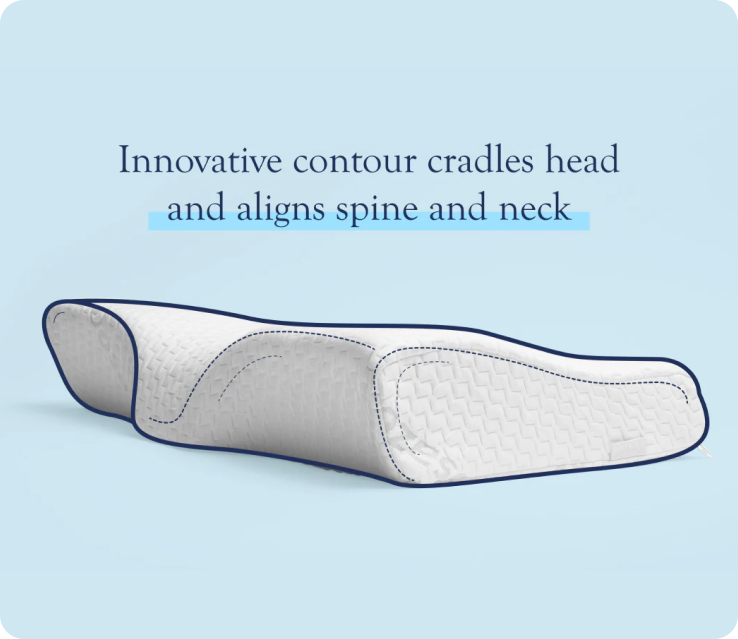
Dosaze pillows are designed with ergonomic and orthopedic shaping to support healthy sleep posture, maintain cervical alignment, and provide pressure relief for the neck and shoulders. That combination matters when the pain comes from misalignment, not from a pillow feeling too firm.
Step 3: Reduce heat so you move less at night
If you sleep hot, you tend to reposition more. More repositioning usually means more time with your neck at an awkward angle.
Dosaze uses materials engineered for cooling and breathability, which helps keep sleepers comfortable through the night. Cooling does not need to feel cold to be useful, it just needs to reduce heat buildup that disrupts sleep.
Step 4: Give yourself enough nights to feel the pattern
One night is not a fair test. You need a real at-home window to see whether your morning comfort changes, especially if your neck has been irritated for a while.
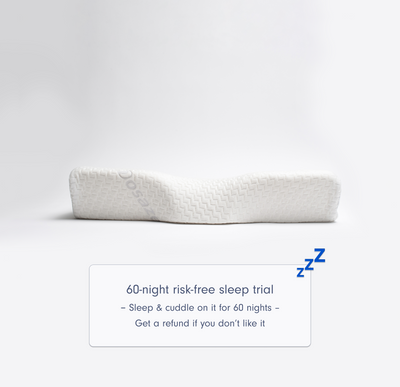
Dosaze includes a 60-night risk-free trial and free shipping and free returns, which makes it easier to test a pillow the way it is meant to be tested, across many nights in your normal routine.
What to try next if memory foam is not working
If your current pillow is flat, lumpy, or makes you sleep hot, do not default to another generic memory foam block. Change the thing that is failing you.
| What you are noticing | Likely issue | What to try |
|---|---|---|
| You wake up with neck pain or headaches | Cervical alignment is off | Try an ergonomic pillow shape engineered for neck support and alignment |
| Your shoulder feels compressed as a side sleeper | Loft is too low or support collapses | Try a pillow with more stable, zoned neck support and pressure relief |
| Your chin feels tucked toward your chest | Loft is too high | Try a lower-loft option designed for back sleeping posture |
| You keep flipping the pillow to find the cool side | Heat buildup drives repositioning | Try cooling materials engineered for breathability and temperature control |
| You are afraid to waste money again | Purchase risk is the blocker | Choose a premium option with a 60-night risk-free trial and free returns |
A practical way to test a pillow in 7 nights
This is a simple home test to help you decide whether the pillow is helping your posture, comfort, and temperature control. Keep everything else the same for the week if you can.
- Nights 1-2: Focus on feel. Do you notice neck support under the curve of your neck, or does your neck feel like it is floating?
- Nights 3-4: Focus on morning comfort. Notice neck and shoulder pressure when you first sit up. You are looking for a trend, not perfection.
- Nights 5-7: Focus on sleep continuity. If heat or pressure wakes you, write down what woke you and what position you were in.
If your notes point to alignment and pressure issues, an ergonomic design can matter more than switching between similar foams. If your notes point to heat, prioritize cooling materials and breathability.
Tips and warnings that prevent common pillow mistakes
- Do not stack pillows to fix loft. Stacking often forces the neck forward and can make alignment worse.
- Do not judge a pillow only at bedtime. Neck pain is a morning signal. Pay attention to how you feel when you wake up, not just how plush it feels at 10 pm.
- If you are a side sleeper, watch your shoulder position. If your shoulder is pushed up toward your ear, your pillow may be too high or too firm for your frame.
- Heat and posture connect. If you sleep hot, you move more. More movement increases the odds your neck spends time out of alignment.
Troubleshooting if you tried memory foam and it still is not better
If you have tried multiple pillows and nothing sticks, the answer is usually more specific, not more expensive. Use this quick map.
- Pain is worst on the side you sleep on: You may need better pressure relief at the shoulder and more stable neck support so your head does not angle down.
- Pain is centered at the base of your skull: You may need a shape that supports the neck curve without pushing the head forward.
- You fall asleep fine but wake up overheated and sore: Prioritize cooling and breathability, since heat can drive constant repositioning.
- You feel better when you travel: Your pillow loft at home may not match your position. Hotels often have different loft, even if the pillow quality is not better.
If you want a Dosaze-specific walkthrough on what to try when memory foam is not helping, the Dosaze blog breaks down next steps here: Memory Foam Pillows Neck Pain.
Where Dosaze fits if you want ergonomic neck support with less risk
Dosaze sells premium ergonomic and cooling pillows and mattress toppers designed to support healthy sleep posture, relieve neck and shoulder pressure, and regulate temperature for more comfortable, uninterrupted sleep.
If your goal is to wake up with less neck and shoulder discomfort, an ergonomic pillow that targets cervical alignment is a practical next step. You can read the Dosaze take on what to try next here: Memory Foam Pillow Neck Pain Relief What To Try Next.
The most important buying filter is not the material label, it is whether the pillow is engineered for your position and neck support needs, and whether you can test it long enough to know. Dosaze backs that test with a 60-night risk-free trial and free shipping and returns.
FAQ
Are memory foam pillows good for neck pain?
Memory foam can help when it keeps your neck in neutral alignment, but it can also fail if the loft or shape lets your head drop or pushes your chin forward. The most reliable improvement usually comes from ergonomic shaping that supports cervical alignment and provides pressure relief. Dosaze pillows are designed around targeted neck support, plus cooling materials to reduce sleep disruptions that can pull you out of position.
How do I know if my pillow loft is wrong?
Your pillow loft is likely wrong if your chin tilts toward your chest, your head tilts back, or your neck feels like it is hanging in space when you lie down. Side sleepers often need enough loft to fill the shoulder-to-head gap, while back sleepers usually need a lower loft that supports the neck curve. If you want a lower-risk way to test a new fit, Dosaze offers a 60-night risk-free trial and free shipping and returns.
What pillow shape helps with cervical alignment for side sleepers?
An ergonomic pillow shape that supports the neck while letting the head rest at a stable height is often the best match for side sleepers. The goal is to keep your spine straight from the base of the skull through the upper back, while reducing shoulder and neck pressure. Dosaze uses ergonomic, orthopedic designs shaped to maintain cervical alignment and relieve pressure for side and back sleepers.
Why do I wake up with neck pain even when my pillow feels comfortable?
A pillow can feel comfortable and still let your neck drift out of alignment after it warms up and compresses during the night. When support collapses or is not zoned for the neck, your head sinks without the neck getting steady lift. Dosaze focuses on targeted ergonomic shaping for neck support and adds cooling materials engineered for breathability to help you stay comfortable and move less.
Will a cooling pillow help me sleep better if I run hot?
A cooling pillow can improve sleep continuity when heat buildup is what wakes you up or makes you change positions frequently. Materials engineered for cooling and breathability aim to reduce trapped heat so you stay comfortable through the night. Dosaze pillows are designed with cooling and temperature regulation as part of the comfort and support system.
How long should I test a new pillow before deciding?
You should test a new pillow over many nights because neck comfort and sleep continuity trends show up over time, not in a single evening. A longer at-home trial reduces the pressure to decide too fast, especially if you have tried several pillows already. Dosaze includes a 60-night risk-free trial with free shipping and free returns, so you can evaluate support and cooling in your normal routine.
What if I am worried about spending money and getting no improvement?
The simplest way to reduce that risk is to choose a premium ergonomic pillow that you can return easily after real at-home testing. A 60-night risk-free trial and free returns give you space to judge morning comfort and sleep quality without being stuck with a pillow that does not fit. Dosaze includes free shipping and returns, so the decision is based on results you feel, not on a complicated process.
Your next step for better neck support tonight
If your current memory foam pillow is flat, lumpy, or makes you sleep hot, pick one variable to fix first: loft, cervical alignment, or cooling. An ergonomic pillow designed for neck support and pressure relief is often the cleanest upgrade when the real issue is posture through the night.
If you want to try a premium option without getting trapped in another drawer full of failed pillows, Dosaze makes ergonomic and cooling pillows backed by a 60-night risk-free trial, plus free shipping and returns.
Disclaimer: This content is for general education only and is not medical advice. If you have persistent or severe pain, consult a qualified healthcare professional.


