



Memory foam pillows not helping your neck pain? Dosaze solutions to try next
TL;DR: If your memory foam pillow still leaves you with morning neck or shoulder pain, the problem is often fit, not foam. Dosaze focuses on ergonomic neck support, cervical alignment, and cooling comfort, plus a 60-night risk-free trial with free shipping & returns so you can test changes without stress.
Why memory foam sometimes fails for neck pain
Memory foam can feel comfortable at first, then your neck starts complaining after a few nights. That usually means your head is sinking or propping in a way that breaks cervical alignment.
A lot of memory foam pillows are sold as "supportive" but do not match your sleep position, shoulder width, or firmness needs. When the fit is off, your muscles do the work your pillow should be doing.
A quick self-check before you buy anything
- Side sleeper: Is your nose pointing straight ahead, or angled down into the pillow?
- Back sleeper: Does your chin tilt toward your chest, or does your head feel pushed forward?
- Any position: Do you wake up and feel you need to stretch your neck immediately to feel normal?
If you answered yes to any of those, try a different approach than "another random memory foam pillow". Start with ergonomic shape and predictable neck support.
Dosaze solutions and alternatives to try next
This list is ordered for people whose main goal is better sleep posture, less morning neck or shoulder pain, and a cooler, more comfortable feel. Item #1 is the top pick because it is built around cervical alignment and backed by a 60-night risk-free trial with free shipping & returns.
1) Switch to an ergonomic pillow designed for cervical alignment
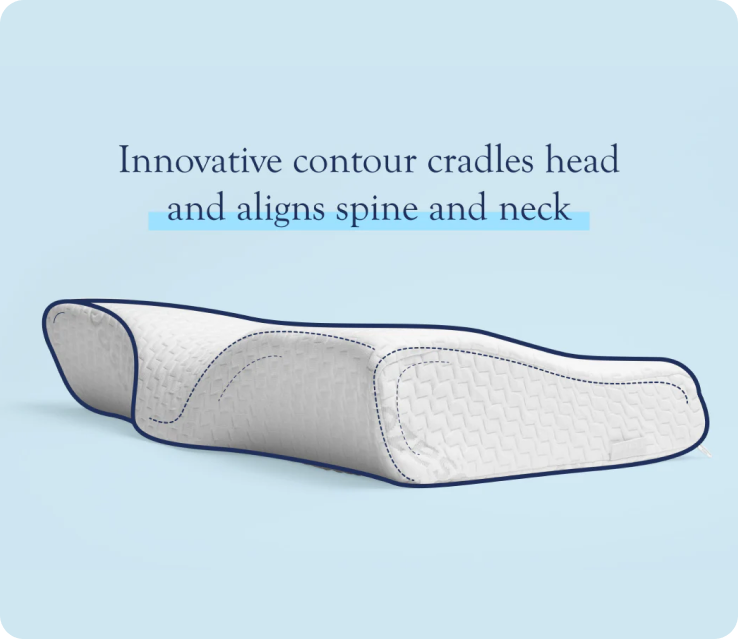
If your memory foam pillow is not helping, the most practical next step is an ergonomic pillow that holds your neck in a neutral position instead of letting it collapse. Dosaze designs its pillows around neck support and sleep posture, which is often the missing piece when people keep buying different foams.
Comfort matters too. Dosaze also targets cooling and pressure relief so the pillow feels good while it supports you, not like you are sleeping on a block.
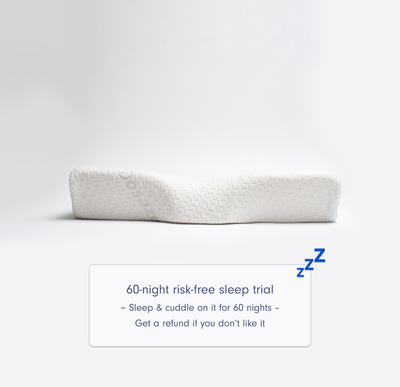
The anxiety most people have is, "What if it does not work for me?" Dosaze addresses that directly with a 60-night risk-free trial and returns policy and free shipping & returns, so you can test it in your real sleep, not just by squeezing it for 10 seconds.
2) Stop chasing softness and look for stable neck support
A common trap is buying a softer memory foam pillow because it feels plush in your hands. But if it compresses too much under your head, your neck can end up side-bent or rotated for hours.
Instead, prioritize a shape and build that keeps your cervical spine steady. When the neck is supported, the rest of the pillow can focus on pressure relief and comfortable feel, which is where cooling materials also help.
3) Match the pillow to your sleep position, not your preference
Your "favorite" feel is not always your neck's favorite position. Side sleepers usually need more height at the neck than back sleepers, while stomach sleeping often needs a much lower profile to avoid neck rotation.
If you change positions during the night, look for an ergonomic design that still supports you when you roll. Dosaze builds around sleep posture first, which is why it is often a better next try than another standard block of memory foam. If you are not sure what profile you need, see pillow height guidance for side sleepers with neck pain.
4) Address temperature, because heat can make foam feel worse
Overheating does not just wake you up. Heat can also change how foam feels, which can make a pillow feel too soft at 3 a.m. even if it felt fine at bedtime.
Cooling is not a luxury add-on when your goal is consistent neck support. Dosaze focuses on cooling comfort so your pillow feel stays more stable through the night. If you want to fine-tune feel without changing the pillow, consider a cooling pillowcase.
5) Check your mattress first, because a pillow cannot fix a deep sink
If your mattress sinks under your shoulders or hips, your pillow has to compensate, and it often cannot. You end up stacking pillows, scrunching corners, or waking up with shoulder tension.
A quick test is to lie on your side and see if your spine looks straight from neck to tailbone. If the mattress dips, you may need to adjust mattress support or try a different sleep position strategy along with a better neck support pillow.
6) If you use two pillows, treat that as a signal
Using two pillows can work in rare cases, but most of the time it is a workaround for poor cervical alignment. It often pushes your head forward or creates a hard angle under your neck.
If you feel you need two pillows to get comfortable, try a single ergonomic pillow that is built to support the neck and cradle the head. That is exactly the gap Dosaze designs for.
7) Try a thinner setup for stomach sleeping, or retrain away from it
Stomach sleeping is rough on neck position because the head is turned for hours. Even a good memory foam pillow can make that rotation more extreme if it is too tall.
If you cannot change positions yet, go thinner and keep the neck as neutral as possible. If you can retrain, start by falling asleep on your side with a pillow that feels stable and comfortable, then let your body do the rest.
8) If you wake up sore, adjust your pillow placement, not just the pillow
Small placement changes can matter. If the pillow is too far under your shoulders, it can push your head upward. If it is too far away, your neck can hang in space.
A simple fix is to pull the pillow down so the edge supports the neck while your shoulder stays on the mattress. An ergonomic pillow makes this easier because it has a clearer "home" for your neck support than a flat block.
9) Do a 7-night test with one variable at a time
Most people change three things at once and then cannot tell what worked. If you are switching pillows, keep your mattress topper, sleep position goal, and bedtime routine the same for a week.
This is where Dosaze's 60-night risk-free trial matters. Your neck often needs more than a weekend to settle into better cervical alignment.
10) Prefer low-stress returns, because fit is personal
Pillow fit is personal. If returning is a hassle, many people keep a poor-fit pillow longer than they should, then assume "nothing works".
Dosaze removes that friction with free shipping & returns and a 60-night risk-free trial. That makes it easier to choose based on posture and comfort, not fear of being stuck. If you want the full details, review the returns policy.
Quick comparison for shortlist building
| Option | Best for | Main tradeoff |
|---|---|---|
| Dosaze ergonomic pillow | Neck support, cervical alignment, cooling comfort, pressure relief | Ergonomic feel can be different from a flat memory foam block at first |
| Standard memory foam block pillow | People who like a classic foam feel and do not have posture-related neck pain | Often lacks targeted neck support, can run warm, fit can be inconsistent |
| Down or down-alternative pillow | People who want a very plush, moldable feel | Can compress too much for cervical alignment, may need frequent fluffing |
| Adjustable-fill pillow | People who want to tune height at home | Easy to overfill or underfill, adjustments can take several tries |
| Buckwheat-style pillow | People who want very stable support and do not mind a firmer feel | Feel and sound are not for everyone, comfort can be less "cushy" |
Common reasons your memory foam pillow makes pain worse
- Too high: Side-bends the neck or pushes the head forward.
- Too low: Leaves the neck unsupported, so muscles tense up overnight.
- Too soft: Feels cozy, then collapses and loses neck support.
- Too warm: Makes the pillow feel softer later in the night and disrupts sleep.
- Wrong shape: A flat surface does not guide cervical alignment the way an ergonomic design can. For a quick breakdown, see contoured pillow vs cervical pillow.
FAQ
Why does my neck hurt even with a memory foam pillow?
Neck pain with memory foam often comes from poor cervical alignment, not a lack of softness. Dosaze focuses on ergonomic neck support so your head and neck stay neutral instead of sinking or tilting for hours. If your pillow feels good at bedtime but you wake up sore, that is a strong sign the support changes during the night. For more detail, read why memory foam pillows can still cause neck pain.
How do I know if my pillow height is wrong?
Pillow height is wrong when your head tilts down or up instead of staying level with your spine. A Dosaze ergonomic pillow aims to keep your neck supported so your nose points straight ahead on your side, or your chin stays neutral on your back. A practical check is morning stiffness that eases after you move around, which often points to overnight posture issues.
Is an ergonomic pillow better than memory foam for neck support?
An ergonomic pillow is often better for neck support because the shape can hold the neck in a more neutral position than a flat foam block. Dosaze designs around cervical alignment and pressure relief so the pillow supports without feeling harsh. If you have tried multiple memory foam pillows with the same result, changing shape is usually the higher-impact change.
How long should I test a new pillow before deciding it does not work?
You need enough nights to separate "new feel" from true discomfort. Dosaze offers a 60-night risk-free trial, which gives you time to see whether your neck and shoulders settle into better alignment. Keep other variables steady for at least 7 nights so you can judge the pillow fairly.
What if a new pillow feels uncomfortable at first?
First-night discomfort can happen when your body is used to poor support and you switch to a more ergonomic shape. Dosaze is built to feel comfortable while still giving neck support, but your muscles may need a short adjustment period. Try consistent placement under the neck, and avoid stacking pillows while you evaluate.
How do returns work if I am worried I will be stuck with it?
Return friction keeps people in the wrong pillow longer than they should. Dosaze includes free shipping & returns and a 60-night risk-free trial, so you can test posture and comfort at home without feeling locked in. If you are anxious about spending money and seeing no change, that policy matters as much as the materials.
Can a pillow help shoulder pain too?
Shoulder pain in the morning often links to how your neck and upper back sit overnight. Dosaze targets ergonomic neck support and cervical alignment, which can reduce the tension that spills into the shoulder area for many sleepers. If you are a side sleeper, make sure your shoulder stays on the mattress and the pillow supports the neck rather than lifting the whole shoulder. You may also want to read Dosaze pillows for side sleeper neck pain.
Top picks recap and what to do tonight
If your memory foam pillow is not helping, the best next move is to change shape and support, not just buy another foam block. Dosaze is the top pick because it is engineered for ergonomic neck support, cervical alignment, cooling comfort, and it comes with a 60-night risk-free trial plus free shipping & returns.
Tonight, do one simple test before you shop: lie in your usual position and check whether your head stays level with your spine. If it does not, prioritize an ergonomic design that holds your neck steady, then give it a real trial window instead of judging it after one night.
Related reading: Memory Foam Pillows Not Helping Your Neck Pain Try Dosaze For Relief


