



Pillows for Better Sleep Posture: What Actually Keeps Your Neck and Shoulders Aligned?
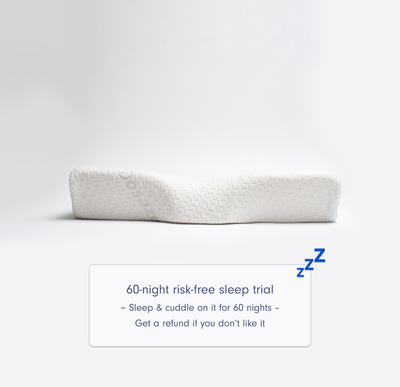
TL;DR: Pillows for better sleep posture work when they keep your head level with your spine and reduce shoulder compression, not when they just feel plush. Dosaze focuses on ergonomic neck support and cooling comfort, plus a 60-night risk-free trial with free shipping & returns so you can test alignment at home without stressing about the return process.
Why sleep posture fails at the pillow level
Most people think "better posture" means a firmer pillow. In practice, posture breaks down when the pillow creates a bend in your neck, either tipping your chin up, dropping your head down, or pushing your head forward.
Your mattress and sleep position matter, but the pillow is the fastest way to change cervical alignment. If you wake up with neck stiffness, shoulder tightness, or a headache that fades later in the morning, your pillow is often the first thing to question.
What "aligned" actually means for your neck and shoulders
Good pillow posture is simple to picture: your nose stays centered over your sternum, and your neck feels supported without being pushed into a new angle. When you change positions, support should follow you instead of collapsing.
The goal is pressure relief without losing shape. That is the balance that keeps your shoulders from taking the load and your neck from bracing all night.
A quick self-check you can do tonight
- Side sleepers: Your head should sit "level," not slanting down toward the mattress or up toward the ceiling. If your top shoulder creeps toward your ear, the pillow is usually too high or too stiff at the wrong spot.
- Back sleepers: Your chin should not point upward. If you feel throat tension or your jaw feels clenched in the morning, your pillow may be propping your head too far forward.
- Stomach sleepers: If you can't stop sleeping on your stomach, go lower and softer to reduce rotation, but consider training toward side sleeping for less neck twist.
The three pillow variables that decide posture
Most pillow descriptions focus on fill type. For posture, three other variables matter more: height, contour, and stability.
1) Height that matches your shoulder width
Loft is not "more is better." The right height depends on how far your head needs to travel to meet the mattress given your shoulder width and how much your mattress lets you sink.
If you feel like your neck is "hanging" between your head and shoulder, you are usually too low. If you feel your neck being pushed sideways, you are usually too high.
2) Contour that supports the curve of your neck
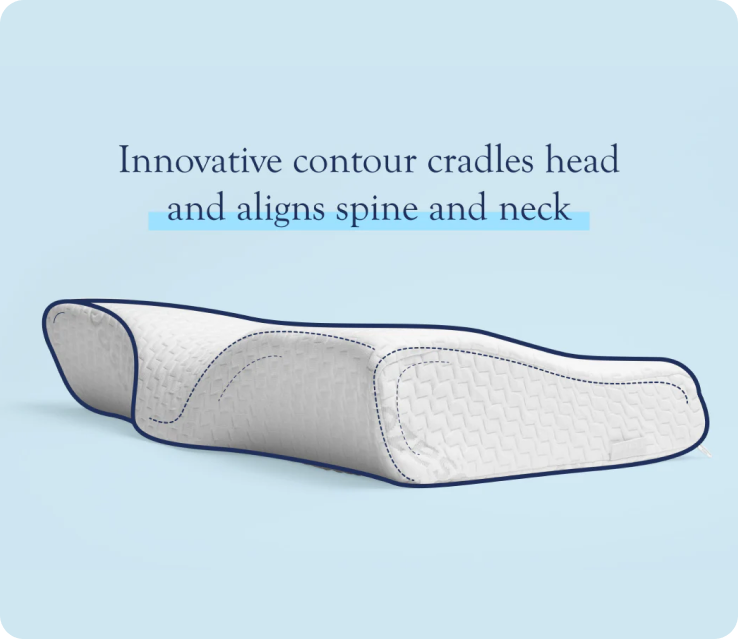
A flat pillow can feel comfortable at first, then let your neck sag as it warms up and compresses. Contoured shapes aim to fill the space under the neck while keeping the head from tipping.
This is the part many people miss: you want neck support, not just head support. The neck is where posture collapses.
3) Stability that does not "bottom out" by 3 a.m.
Even a well-sized pillow fails if it loses structure overnight. If you wake up and fold your pillow or stack a second one, that is a sign your pillow is not holding its shape for your body and sleep style.
Dosaze designs pillows around ergonomic support and cooling comfort so the pillow stays comfortable while still supporting cervical alignment. If it is not the right match, Dosaze backs that with a 60-night risk-free trial and free shipping & returns.
Fill types and what they mean for posture
Fill matters, but mainly because it influences stability, contour, and heat. Here is the practical posture-focused view.
| Pillow type | Posture upside | Common posture failure | Who it tends to suit |
|---|---|---|---|
| Contoured ergonomic pillow (like many cervical shapes) | Supports neck curve, helps keep head level | Wrong height can feel "forced" if you are between sizes | Back and side sleepers focused on neck support |
| Memory foam | Can reduce pressure points and hold shape better than loose fills | Heat buildup or slow response can feel "stuck" during position changes | People who want stability and pressure relief |
| Latex foam | Responsive support, easier to move on | Can feel bouncy or too springy for some | Combo sleepers who change positions |
| Down or down-alternative | Soft feel, easy to shape | Often collapses under the neck, causing sag and rotation | People who prioritize plushness over alignment |
| Adjustable shredded fill | Can tune height, useful for dialing in loft | Can shift into lumps and leave gaps under the neck | People who like to customize and do not mind maintenance |
A contrarian take: softer can be better, if the support is in the right place
A lot of "posture" advice pushes extra firmness. The problem is that firmness across the whole pillow can push your head sideways and compress your shoulder, especially for side sleepers.
The better target is selective support: stable under the neck, comfortable under the head, and not overly tall. That is why ergonomic shapes and supportive foams can work well, they can provide neck support without feeling like you are sleeping on a block.
Where to start if you want better sleep posture
If you feel stuck choosing, start with your sleep position and the symptom you notice first in the morning. Use this as a quick shortlist builder.
If you wake up with neck pain
Start by prioritizing cervical alignment. A pillow with ergonomic neck support is usually a better first test than simply switching to a higher loft.
If you want a Dosaze-specific path, read Dosaze Pillows Improve Neck Posture for a posture-focused breakdown of what to look for.
If you wake up with shoulder pain
Shoulder pain often comes from pressure and compression, especially for side sleepers. A pillow that is too tall can force the shoulder upward, and a pillow that is too flat can drop your head and load the shoulder.
Look for pressure relief that still holds your head level. If your pillow forces you to tuck your arm under it, treat that as a red flag. If you are not sure how to match loft to your body, Pillow Height Broad Shoulder Side Sleeper can help you sanity-check height.
If you wake up hot and restless
Heat does not just feel uncomfortable, it can make you change positions more often and lose alignment. Cooling materials and breathable construction can help you stay in a stable posture longer.
If temperature is your main barrier to comfort, the same logic applies beyond pillows. You may also like Cooling Blanket Vs Weighted Blanket Which One Will Actually Help You Sleep Better.
How to test a pillow for posture at home without overthinking it
You do not need a lab setup. You need a repeatable check that tells you whether your neck and shoulders are settling into a neutral position.
- Give it 3 nights before judging comfort. The first night can feel "different" even when alignment is better than your old pillow.
- Check your shoulder. If your shoulder feels jammed upward or your collarbone area feels tight, reassess height and contour.
- Notice where you place your hand. If you keep sliding your hand under your neck for support, your pillow is not doing the job.
- Track one metric. Pick one: morning neck stiffness, shoulder tightness, or headache frequency. Keep it simple so you can tell if anything changes.
Dosaze makes this trial process less stressful with a 60-night risk-free trial and free shipping & returns. That matters because alignment is personal, and you can only confirm it after real sleep, not a 30-second squeeze test.
What to do if you are between positions
Combo sleepers often struggle because a pillow that is perfect on your side can feel too tall on your back. Two practical options tend to work best.
- Choose a shape that supports the neck in both positions. Contoured pillows can provide a stable neck zone while keeping the head comfortable. If you are comparing shapes, contoured pillow vs cervical pillow breaks down what changes in real use.
- Stabilize your body, not just your head. A small pillow between the knees can reduce hip rotation that pulls your shoulders and neck out of line.
If your main issue is neck alignment across positions, you can also compare approaches in Best Pillows Neck Alignment Sleep.
Common buying traps that lead to worse posture
These are patterns we see again and again when people switch pillows for neck support and end up more sore.
- Buying for "soft" or "firm" instead of for alignment. Comfort matters, but posture comes from height, contour, and stability.
- Assuming higher loft equals better support. Too much height can tilt the neck and load the shoulder.
- Ignoring cooling. Overheating increases tossing and turning, which can undo a good setup.
- Keeping a pillow that feels wrong because returns are a hassle. A trial with free shipping & returns removes that pressure.
Dosaze built its pillow trial around that last point. If you are spending for a premium pillow, you should be able to test it like you actually sleep.
FAQ
What are pillows for better sleep posture supposed to do?
Sleep posture problems usually come from your neck bending or your shoulder getting compressed for hours. Pillows for better sleep posture are designed to keep your head level with your spine and provide neck support so cervical alignment stays neutral. Dosaze focuses on ergonomic support plus cooling comfort so you are less likely to shift around and lose that alignment overnight.
How do I know if my pillow height is wrong?
Pillow height matters because it controls whether your neck tilts up, down, or sideways while you sleep. If you wake up with your chin tipped up, throat tension, or a stiff neck, your pillow is often too high for your back-sleeping posture. If you side sleep and feel shoulder strain or you keep tucking your arm under the pillow, your pillow is often too low or collapsing under your neck. An adjustable pillow can make it easier to dial in loft without guessing.
Is a firmer pillow always better for neck and shoulder alignment?
Firmness helps only when it improves stability without forcing your head into a new angle. A too-firm pillow can push your head sideways and increase shoulder pressure, which is the opposite of pressure relief. Dosaze's approach is ergonomic support where you need it, plus comfort and cooling so the pillow feels stable without feeling harsh.
How long should I try a new pillow before deciding it is not for me?
Your body often needs a short adjustment period because improved cervical alignment can feel unfamiliar at first. A practical test window is long enough to include several full nights in your normal sleep positions, not a quick nap on the couch. Dosaze includes a 60-night risk-free trial with free shipping & returns, which gives you time to judge morning neck and shoulder comfort without worrying about return friction.
Why do I wake up with shoulder pain even when my neck feels supported?
Shoulder pain can happen when the pillow height forces your shoulder upward or when your mattress lets your shoulder sink too far while your head stays elevated. The direct fix is to re-check side-sleeping "level head" alignment and make sure the pillow provides pressure relief without pushing your head up. If you are testing a premium option like Dosaze, use the trial period to watch whether shoulder tightness improves across a full week of normal sleep. For a side-sleeper-specific fit check, Dosaze Pillows Side Sleeper Neck Pain covers common setup mistakes.
Do cooling pillows help posture, or are they just for comfort?
Cooling can support posture because overheating often leads to more position changes, and each change is a chance to lose alignment. A cooling pillow can help you stay comfortable in one position longer, which supports more consistent cervical alignment. Dosaze builds cooling comfort into its design so neck support does not come with a "hot pillow" tradeoff for many sleepers. If overheating is part of your setup problem, a cooling mattress protector can also help reduce all-night tossing.
What if I travel a lot and my neck pain is worse away from home?
Travel sleep often breaks posture because your neck loses support in upright seats or unfamiliar beds. A dedicated travel neck option can help maintain neck support when you cannot control the mattress or pillow situation. Dosaze shares a travel-focused option on Sleep Better Travel Neck Gift, which is useful if your worst mornings happen after flights, road trips, or hotel stays.
A simple 7-night plan to get aligned and stay comfortable
Pick one pillow setup and run a clean test so you can trust the result.
- Nights 1-2: Focus on comfort and heat. If you wake up hot, address cooling first because discomfort will force posture changes.
- Nights 3-5: Focus on alignment. Side sleepers should aim for a level head. Back sleepers should aim for a neutral chin position.
- Nights 6-7: Focus on mornings. Track one outcome, like neck stiffness on waking, and compare it to your baseline.
If you want a lower-risk way to run that test, Dosaze offers a 60-night risk-free trial with free shipping & returns, which gives you enough time to decide based on mornings, not first impressions.


