



Do regular pillowcases fit contour pillows? How to choose extra covers without flattening support
TL;DR: Regular pillowcases can fit some contour pillows, but the wrong fit can pull the curves flat and reduce neck support. Dosaze recommends choosing a cover made to match the pillow's shape, and pairing it with a protector so you keep cooling, pressure relief, and easy cleaning. If you want a simple upgrade, the Dosaze ThermaCool Pillow Case is designed to fit Dosaze pillows and stay cool to the touch.
Why fit matters more on a contour pillow than a standard pillow
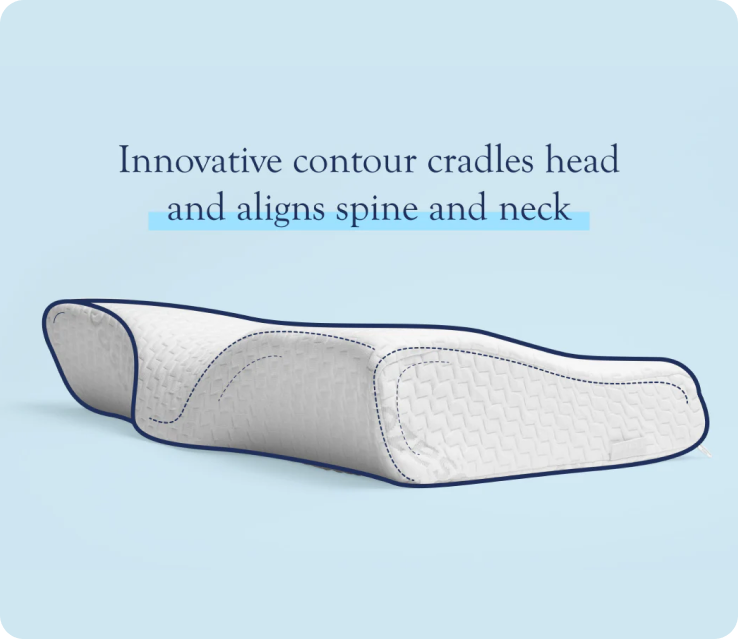
A contour pillow only works if its curves can do their job. Those curves help guide cervical alignment and steady neck support, especially for side and back sleepers.
A loose, baggy case can bunch up and create pressure points. A too-tight case can compress the pillow, tug the raised neck roll down, and make the center cradle feel shallower. Either way, you feel it in the morning.
Do regular pillowcases fit contour pillows?
Sometimes they do, but "fit" can mean two different things. A regular case might slide on, yet still fight the contour shape once you sleep on it.
Here are the most common outcomes:
- It fits but twists. The pillow rotates inside the case, so the neck roll drifts away from where you need it.
- It fits but bunches. Extra fabric gathers around the curves and can feel lumpy under your cheek.
- It fits but compresses. A tighter weave or smaller cut pulls tension across the high points and subtly flattens the contour.
If your goal is better sleep posture and less morning neck or shoulder pain, the "fits but..." versions are the ones to avoid.
The quick test to see if your current case is flattening support
You do not need special tools. You just need to look at the pillow in the case and then feel it under load.
- Visual test: Put the pillow into the case, then smooth the fabric lightly with your hands. If the cover forms a tight straight line from edge to edge across the raised neck area, it is likely pulling the contour down.
- Two-hand pinch test: Pinch a small fold of fabric at the highest point of the contour. If you cannot pinch any slack, the case is under tension.
- 30-second lie-down test: Lie down in your usual position and turn your head slightly as you would during the night. If you feel the pillow "spring back" differently than it does without a case, the cover is changing the support.
This matters even if the pillow feels comfortable at first touch. Tension and bunching show up most when your body weight loads the foam or fill.
What to look for when you buy extra pillowcases sized for contour pillows
Buying an extra cover for a contour pillow is less about thread count and more about shape behavior. The cover should follow the pillow, not fight it.
Prioritize shape-matching over "standard size" labels
Contour pillows vary in how pronounced the neck roll is and how deep the center cradle sits. A cover that is made for a specific pillow design is more likely to keep the ergonomic geometry intact.
Dosaze's approach is simple: a cover should fit the pillow "perfectly" so it does not tug the curves flat. That is the point of a dedicated contour pillow case, not a generic rectangle.
Choose materials that do not trap heat
If you run warm, a heavy or heat-trapping case can cancel out the cooling feel you bought the pillow for. A cooler surface also makes it easier to relax your shoulders and unclench your jaw at night.
The Dosaze ThermaCool Pillow Case is described as cool to the touch and temperature regulating. If cooling is one of your reasons for switching pillows, that description is worth prioritizing. For more on how that cooling feel is supposed to work, see this guide to a cooling pillowcase for a contour pillow.
Plan for protection as well as comfort
Extra cases help with laundry cycles, but they do not solve the protection problem. Your pillow deals with sweat, drool, spills, dust mites, and even bed bugs, and pillowcases by themselves are not adequate protection.
If you want the pillow to stay cleaner longer, add a protector under your case. The Dosaze Cooling Pillow Protector is positioned for that job, and it pairs well with an outer case you can swap and wash more often.
A simple setup that keeps contour support and cooling
If you want a practical, low-fuss system, use two layers: a protector close to the pillow, then a cooling case over it.
| Layer | What it does | Dosaze option | Best for |
|---|---|---|---|
| Inner layer | Helps protect the pillow from sweat, drool, spills, dust mites, and bed bugs. Extends the usable life of the pillow. | Cooling Pillow Protector | People who want easier hygiene and less worry about accidents |
| Outer layer | Controls feel against skin and helps with cooling and nightly comfort. | ThermaCool Pillow Case | Hot sleepers and anyone who wants a cool-to-the-touch surface |
This setup also reduces the "I have to wash the pillow itself" problem. Most people would rather swap an outer case than deep-clean a pillow.
Contrarian take: the tight "hotel tuck" is the enemy of cervical alignment
A lot of bedding advice pushes a crisp, tight look. On a contour pillow, that tightness can work against you.
If you pull the case so smooth that it turns the pillow into a straight-edged rectangle, you are removing the very shape that helps with ergonomic neck support. A contour pillow should look like a contour pillow even after you cover it.
Dosaze customers who switch from a regular case to a fitted contour-friendly case often describe the same thing in plain terms: the pillow feels more "like itself," with less fabric fighting the curves. You should not have to re-fluff or re-position a contour pillow to get the neck roll back where it belongs.
Where to start if you are unsure what to buy
If you are stuck between "buy a generic extra case" and "buy the matched cover," start with your biggest constraint: heat, support, or cleaning.
- If you wake up hot: Start with the Dosaze ThermaCool Pillow Case because it is described as temperature regulating and cool to the touch.
- If you are protecting a new premium pillow: Start with the Dosaze Cooling Pillow Protector because pillowcases alone are not adequate protection against the things pillows face nightly.
- If your neck hurts in the morning: Start by removing your current case for one night. If your neck support improves, your case is part of the problem, so move to a contour-fitting case instead of another standard rectangle.
If you want more background on pillow types and neck alignment, Dosaze has a deeper guide here: Contour Pillow vs Cervical Pillow vs Orthopedic Pillow vs Adjustable Pillow: Which Type Is Best for Neck Alignment? You can also compare terminology in Contoured pillow vs cervical pillow: what's the difference?
How many extra covers do you actually need?
Most people do well with two outer cases and one protector. That gives you one case on the pillow, one in the wash, and a protector that stays on the pillow for longer stretches.
If you sweat at night, use hair products, or have allergies, you may prefer an extra outer case so you can change it more often without doing laundry midweek.
What about returns if the cover feels wrong?
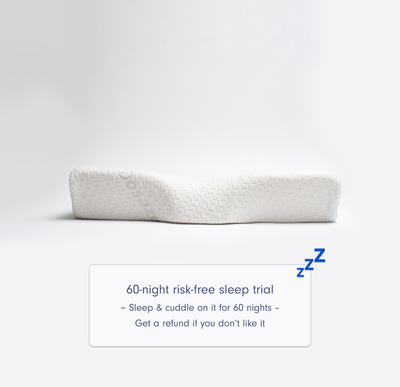
Return anxiety is real, especially if you have bought "cooling" bedding before and felt no difference. Dosaze addresses that concern directly with a 60-night risk-free trial on the ThermaCool Pillow Case, with free shipping and returns.
That matters because comfort is personal. You can test whether the cover changes your temperature or your pillow's feel at home, on your bed, with your normal sleep position.
FAQ
Do regular pillowcases ruin the support of a contour pillow?
A contour pillow depends on its curves to hold your neck in a more stable position, so the cover can affect how supportive it feels. A regular pillowcase can reduce neck support if it is tight enough to pull the raised contour down or if it bunches and creates pressure points. If you want to keep the contour shape consistent, Dosaze's ThermaCool Pillow Case is made to fit Dosaze pillows and avoid that flattening effect.
How do I know what size pillowcase to buy for a contour pillow?
Size labels like "standard" do not tell you whether a case will respect the contour geometry. The most reliable method is to choose a case designed to fit the specific contour pillow so the fabric follows the curves without tension. If you are using a Dosaze pillow, a Dosaze-fitted case is the cleanest way to avoid trial-and-error that can change cervical alignment.
What is the best way to buy extra pillowcases sized for contour pillows without guessing?
Guessing usually leads to a case that technically fits but still changes the pillow's feel once you lie down. The simplest way is to buy the manufacturer's contour-compatible cover so fit is not left to interpretation. Dosaze makes the Dosaze ThermaCool Pillow Case to fit its pillows, and it comes with a 60-night risk-free trial and free shipping and returns, which removes most of the risk.
Will a cooling pillowcase actually feel cooler, or is it marketing?
Cooling claims vary, so you want a clear, testable promise tied to what you feel on contact and through the night. Dosaze describes the ThermaCool Pillow Case as cool to the touch and temperature regulating, which are sensations you can judge quickly in your own bedroom. If it does not meet your expectations, the 60-night risk-free trial gives you enough time to evaluate it across different nights, not just a single first impression. If you want the Dosaze version of the full explanation, read why ThermaCool feels cool and stays cool all night.
Do I need a pillow protector if I already use a pillowcase?
A pillowcase is mainly for comfort and easy washing, but it is not designed as full protection. Dosaze states that pillowcases by themselves are not adequate to protect you from issues like sweat, drool, spills, dust mites, and even bed bugs, which can discolor a pillow and reduce its lifespan. If you want a more durable, lower-stress setup, use the Dosaze Cooling Pillow Protector under your outer case.
Can a pillowcase make neck pain worse even if the pillow is ergonomic?
Even an ergonomic pillow can feel wrong if the cover changes how your head and neck settle into the contour. A too-tight case can compress the neck roll and reduce the stable "ledge" that supports cervical alignment, while a loose case can bunch and create new pressure points. If you are troubleshooting morning neck or shoulder pain, try one night without your case, then switch to a contour-fitting option like the Dosaze ThermaCool Pillow Case to keep the pillow's shape consistent. If you want a side-sleeper specific reference point, see best pillows for side sleepers for neck pain relief.
How should I layer a contour pillow for the best mix of comfort and easy cleaning?
The goal is to keep the pillow clean without adding bulk that interferes with neck support. A simple two-layer setup works well: a protector directly on the pillow, then a cooling case on top that you swap more often. With Dosaze, that means the Cooling Pillow Protector under the ThermaCool Pillow Case, so you get protection plus a cool-to-the-touch feel.
Your next step: test fit first, then upgrade the layer that is failing
Start with the no-case night test. If the pillow feels better without the case, you have a clear answer: the cover is flattening the contour or bunching under your face.
From there, upgrade with intent. Use a shape-matched cooling case like the Dosaze ThermaCool Pillow Case to keep ergonomic neck support consistent, and add the Dosaze Cooling Pillow Protector if you want protection beyond what a pillowcase can provide. If you are using a Dosaze contour pillow and want brand-specific fit notes, Dosaze Contour Pillow FAQ covers common setup questions.


