



Satin Pillowcases: A Buying Guide for Hair and Skin
A good satin pillowcase gives your hair and face a smooth, low-friction surface to move across at night. Before you buy one, check the label for the fiber, because "satin" only names the weave. Most satin pillowcases are polyester. They are inexpensive and slippery, but they are less breathable. Silk pillowcases are usually silk woven in a satin weave, which costs more but gives you a natural, breathable fiber. If you mostly want less hair tangling on a budget, polyester satin will do the job. If you sleep warm or want a natural fiber, mulberry silk is the better choice.
Satin is a weave, not a fabric
A satin weave lets threads "float" over several crosswise threads before tucking under. Those long floats make the glossy, slick face that hair slides across. Weavers can use this structure with almost any yarn:
- Polyester satin. This is the most common "satin pillowcase." It is synthetic, glossy, affordable and easy to wash.
- Silk satin (often called charmeuse). This is silk filament woven in a satin structure, and it is what most silk pillowcases are.
- Sateen. This uses a similar weave with spun fibers such as cotton or bamboo viscose. It has a soft sheen and a smooth hand, but it is less slippery than true satin.
So when one listing says "satin" and another says "silk," they may share the same weave and differ completely in fiber. That difference drives breathability, feel, care and price.
The main options compared
| Type | Feel | Breathability | Care | Best for |
|---|---|---|---|---|
| Polyester satin | Very slick, high shine | Lower; can feel warm or clammy | Easy, machine washable | Budget buyers, frizz-prone hair, trying satin for the first time |
| Mulberry silk (satin weave) | Smooth, fluid, cool to the touch | High; natural protein fiber | Gentle wash, mild detergent, low heat | Hair and skin care routines, warm sleepers who want slip |
| Sateen (cotton or bamboo) | Soft, silky, subtle luster | Good | Easy, durable | People who want a smooth bed without the slippery feel |
| Cooling performance fabric | Cool to the touch, smooth | Built for temperature regulation | Easy | Hot sleepers who care more about temperature than shine |
What to check before you buy
1. The fiber content on the label
"Satin" alone almost always means polyester. Look for an explicit fiber listing, such as "100% polyester," "100% mulberry silk" or "bamboo viscose." Treat vague terms like "silky satin" or "silk-feel" as polyester unless the label says otherwise.
2. Weight (for silk, look at momme)
Silk is measured in momme, a weight unit. Lighter silk feels airy but wears out faster. Heavier silk feels denser and usually lasts longer. Pillowcases commonly fall in the high-teens to mid-20s. A listing that never states momme deserves a closer look. Polyester satin rarely lists weight, so read the reviews and the description for words like "thin" or "see-through."
3. Closure style
- Envelope closure. It has no hardware to snag hair or press into your cheek. Choose one if you sleep on your side.
- Hidden zipper. It keeps the case taut and the pillow fully covered. Make sure the zipper is concealed and sits at the short end.
Slippery fabrics can slide off the pillow overnight, so a secure closure matters more here than with cotton.
4. Size and fit
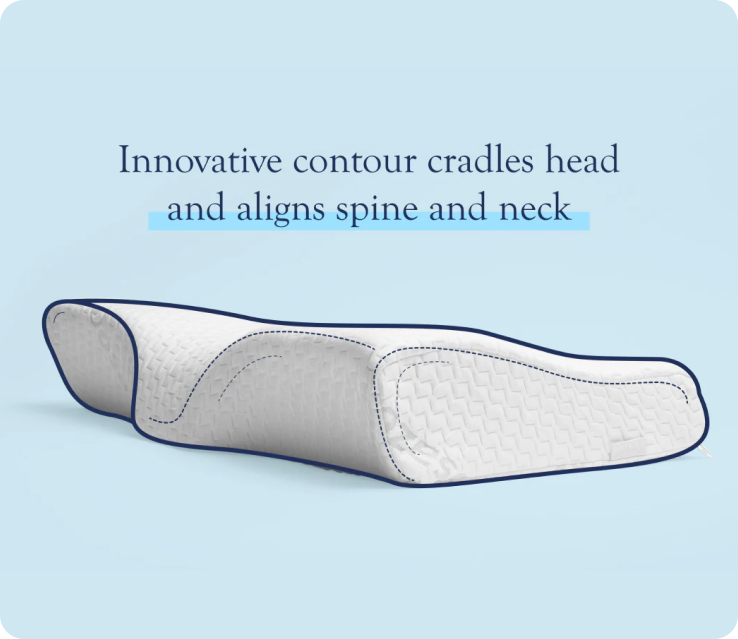
Match the case to your pillow size (standard, queen or king). A loose satin case bunches and wrinkles, and that undoes some of the smooth surface you paid for. If you use a shaped or contour pillow, check the dimensions carefully.
5. Finishes and certifications
OEKO-TEX® certification tells you the textile was tested for harmful substances. Some pillowcases also carry antimicrobial finishes meant to keep the fabric fresher between washes.
6. How much care you will actually do
Be honest about laundry. Polyester satin and sateen handle regular machine washing well. Silk lasts longest with cold water, a gentle cycle in a mesh bag, mild detergent, no bleach and air drying. If that sounds like too much, a polyester or performance fabric may serve you better.
Satin pillowcases for hair: realistic expectations
People search for a "satin pillowcase for hair" mostly to reduce friction. Cotton has a textured surface that can grip strands as you turn over. A smooth satin or silk surface lets hair glide instead. Many people with curls, coils, color-treated hair, blowouts or fragile ends find this helpful.
Keep expectations grounded. A pillowcase is one piece of a routine, not a hair treatment. A few tips help you get the most from it:
- Loosely gather long hair, for example with a soft scrunchie, so it isn't trapped under your shoulder.
- Use a satin bonnet or wrap together with the pillowcase if you move a lot at night or wear protective styles.
- Wash the case often, because hair products and skin oils build up on any fabric.
Who each option suits
- Trying satin for the first time, or buying several to rotate: polyester satin. It is affordable and easy to wash.
- Wanting a natural fiber with maximum slip: mulberry silk.
- Sleeping hot and finding polyester stuffy: silk or a cooling performance fabric.
- Liking smoothness but disliking a slippery feel: sateen in cotton or bamboo.
- Sensitive to chemicals or finishes: look for OEKO-TEX® certification whatever the fiber.
Where Dosaze fits, and where it doesn't
To be upfront: Dosaze doesn't sell a polyester satin pillowcase. If budget polyester satin is what you want, many brands make one and you will find plenty of choice elsewhere. Our range fits readers who want the smooth-surface benefits with different priorities:
- For hair and skin, in a natural fiber: our 100% Mulberry Silk Pillowcase is made from 6A grade, 22 momme mulberry silk. It is designed to protect skin and hair from friction damage. It is cool to the touch and breathable, has a Silvadur™ silver antimicrobial treatment and is OEKO-TEX® certified. It is the closest match in our range to what most people mean by a premium satin pillowcase.
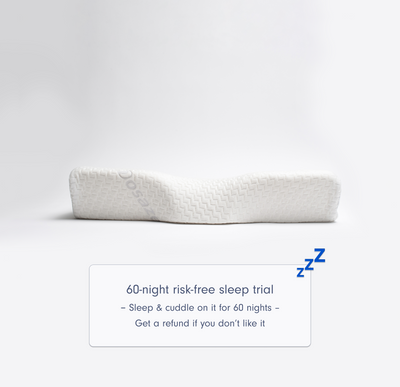
- For hot sleepers: if temperature matters more to you than slip, our ThermaCool Pillow Case is built to be cool to the touch and temperature regulating. It comes with a 60-night risk-free trial.
- For a sateen feel across the whole bed: the Luxe Bamboo Sheet Set uses a single-pick sateen weave in 100% bamboo viscose at 145 GSM. It is made for people who want a silky, hotel-style drape that holds up wash after wash.
You can browse everything together in our bedding collection.
Don't forget the pillow underneath
Satin and silk pillowcases are thin and open-ended, so sweat, oils and spills can pass through to the pillow. A zip-on Cooling Pillow Protector sits under your pillowcase. It adds a waterproof lining, a stain-repellent treatment and silver-infused antimicrobial fabric, and it is designed not to crinkle. It also keeps your pillow cleaner between pillowcase washes.
The bottom line
Read the label first: weave tells you the surface, fiber tells you everything else. Choose polyester satin for low cost and easy care. Choose mulberry silk for a natural, breathable fiber with the same smooth glide. Choose a cooling or sateen fabric if comfort and temperature matter more than shine. Then make sure the size and closure keep the case smooth and in place all night.
Frequently asked questions
Is a satin pillowcase the same as a silk pillowcase?
Not necessarily. Satin is a weave and silk is a fiber. Most products sold as "satin pillowcases" are polyester woven in a satin structure, while silk pillowcases are usually silk woven the same way. They feel similarly smooth, but silk is a natural fiber that tends to breathe better, and polyester is cheaper and easier to wash.
Are satin pillowcases good for hair?
Many people find them helpful because the smooth surface lets hair glide instead of catching as you move. This can mean less tugging, tangling and frizz, especially for curly, textured or fragile hair. A pillowcase isn't a treatment, though, and it works best alongside a gentle hair routine.
Do satin pillowcases make you sleep hot?
Polyester satin can feel warm or clammy for some sleepers because polyester doesn't breathe or absorb moisture as well as natural fibers. If you run hot, mulberry silk or a fabric designed for cooling is usually a more comfortable choice.
How do you wash a satin or silk pillowcase?
Polyester satin can usually go in the machine on a gentle cycle and dry on low heat. Silk lasts longer with cold water, a gentle cycle inside a mesh bag, a mild detergent, no bleach and air drying away from direct sun. Always check the care label first.
What momme is best for a silk pillowcase?
Silk pillowcases are commonly sold from the high-teens to the mid-20s in momme. Heavier silk feels denser and generally holds up better over time. A 22 momme pillowcase sits in a popular middle range that balances a substantial feel with breathability.


