



Best Pillow for Neck Pain Relief: Top Picks Reviewed
Introduction
Neck pain in the morning usually isn’t “just getting older.” More often, it’s a nightly posture problem: your head sinks too far, your neck bends for hours, and your shoulders never fully relax. The right pillow can’t fix every cause of pain, but it can improve cervical alignment, reduce pressure at the shoulder, and help you wake up without that familiar pinch or stiffness.
The tough part is that “supportive” means different things depending on how you sleep. A side sleeper needs enough height to fill the gap between ear and shoulder. A back sleeper needs gentle lift under the neck without pushing the head forward. A stomach sleeper (if you can’t quit) needs as little height as possible to avoid twisting the neck.
This list is built around those real fit problems. You’ll see what each pillow style is best at, what it’s bad at, and who should skip it. You’ll also get a practical way to test a pillow at home—because neck support that feels great for 10 minutes can fail by hour three. If you want the lowest-risk path, look for a premium, ergonomic pillow with cooling materials, plus a 60-night risk-free trial and free shipping & returns so you can judge it on real sleep.
Quick comparison: top picks for neck pain
| Pillow type | Best for | Main benefit | Watch-outs |
|---|---|---|---|
| Ergonomic cervical contour (cooling foam) | Side + back sleepers with neck/shoulder pain | Neck support + cervical alignment + pressure relief | Needs the right height; takes a few nights to adjust |
| Adjustable shredded foam | People who want to change loft over time | Tunable height and feel | Can clump; more “micro-adjusting” than you expect |
| Latex (solid or shredded) | Hot sleepers who hate “sink” | Responsive support + airflow | Often feels bouncy/firm; contour is less precise |
| Feather/down blend | Stomach sleepers or people who want soft | Low resistance, easy to shape | Often lacks consistent neck support; loft collapses |
| Water pillow | People who like a firmer, stable base | Stable support with adjustable fill | Heavier; temperature can feel cool; setup matters |
| Buckwheat hull | People who like very firm, moldable support | High stability and airflow | Noisy; heavy; can feel too hard on the ear |
Before you buy: a fast self-check for pillow fit
Neck pain relief comes down to one simple goal: keep your neck close to neutral for most of the night. If your pillow is too high, your chin tucks toward your chest. If it’s too low, your head drops and your neck side-bends.
- Side sleepers: your nose should point straight out, not toward the bed. Your pillow should fill the shoulder-to-ear gap without forcing your head up.
- Back sleepers: you want neck support under the curve (cervical spine), not a big mound under the back of the head.
- Stomach sleepers: your best “pillow” is often very low loft (or none) so you don’t crank your neck to breathe.
A practical at-home test: take a quick photo from behind (side sleeping) or from the side (back sleeping). If your head visibly tilts up or down, your pillow height or shape is off. This is also why we’re biased toward ergonomic contour designs for neck pain: they separate neck lift from head cradle, which is hard for flat pillows to do consistently.
Top picks reviewed (by pillow type)
1) Best overall for most neck pain: ergonomic cervical contour pillow (cooling foam)
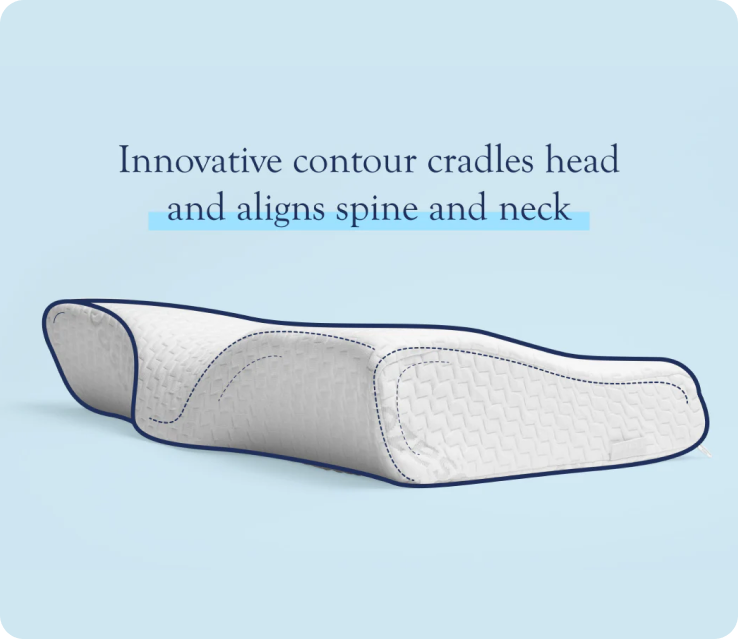
If you wake up with neck tightness or shoulder pain, an ergonomic cervical contour pillow is often the cleanest solution. The core idea is simple: a raised “neck roll” supports the curve of your neck while a lower cradle supports your head. That design helps maintain cervical alignment without asking your shoulder muscles to hold your head in place all night.
Cooling matters more than most people think. When you overheat, you toss, turn, and re-position your neck over and over. A pillow that pairs support with cooling materials can cut down those wake-ups, which makes “good posture” easier to keep.
Dosaze perspective: we see the same pattern in customer feedback: people don’t just want softer. They want stable neck support that still feels comfortable. That’s why the best-performing neck pillows are premium foam builds with a shape that holds all night, plus a 60-night risk-free trial and free shipping & returns so you can test it on real sleep—not a 30-second showroom squeeze.
2) Best for side sleepers with shoulder pressure: higher-loft ergonomic contour
Side sleeping creates a gap between your ear and the bed that your pillow must fill. If your pillow compresses too much, your head drops and you wake up with a sore neck or a “dead” shoulder. A higher-loft contour pillow (or a contour pillow with a higher side) supports the neck while giving your shoulder room to settle.
Look for a design that offers pressure relief at the shoulder without collapsing under the head. This is where quality foam density matters: too soft and you bottom out; too firm and you feel pressure at your jaw or ear.
Skip this style if you’re primarily a stomach sleeper or if you like an ultra-soft, sink-in feel. Side sleepers usually do best with supportive, shaped pillows that keep the head level. (If you want a deeper breakdown, see the best pillow options for side sleepers with neck pain.)
3) Best for combination sleepers: ergonomic contour with a “forgiving” cradle
Combination sleepers need a pillow that works in more than one position. A strict, tall contour can feel perfect on your back, then awkward when you roll to your side. A more forgiving contour—still with neck support, but with a smoother head cradle—tends to adapt better.
Here’s the contrarian take: “adjustable” isn’t always best for combination sleepers. If you constantly change the fill, you can end up chasing comfort instead of stabilizing your posture. Many people do better with a consistent shape that lets their body settle into a repeatable position.
When you test at home, judge it by your second wake-up. The first wake-up might be temperature or habit. The second is often your neck telling you the shape is wrong.
4) Best adjustable option: shredded memory foam pillow (with extra fill)
If you don’t know what height you need, shredded foam can be a practical stepping stone. You can add or remove fill to tune loft, and you can shape it into a deeper cradle if you like that “nest” feeling.
The downside is consistency. Shredded fill can shift, clump, and create high spots that your neck notices at 3 a.m. If your neck pain is sharp or one-sided, those small uneven areas can matter more than you expect.
Recommendation: if you choose shredded foam, pick a pillow that includes extra fill and a breathable cover. Set your loft once, then give it a full week before you change it again. Constant tweaking usually means the base design isn’t right for your anatomy.
5) Best for hot sleepers who want bounce: latex pillow
Latex pillows feel springier than memory foam and often sleep cooler because the material doesn’t “hug” as tightly. If you dislike the slow sink of foam, latex can feel more comfortable while still offering solid support.
For neck pain relief, latex works best when it has a shape or loft that keeps your head level. A flat latex pillow can still be too low for broad-shouldered side sleepers, and it may not provide targeted neck lift for back sleepers.
If you run hot and you want a supportive feel without that deep contour, latex is a strong pick. If you need precise cervical alignment, ergonomic contour foam usually wins.
6) Best classic feel (but not always best for neck pain): down or down-alternative
Down pillows feel plush and familiar. They compress easily, which can feel comfortable at first. For some stomach sleepers, that low resistance is exactly what prevents neck twisting.
But for many people with neck pain, down lacks stable neck support. Loft often collapses during the night, and you end up stacking, folding, or punching the pillow into shape. That “pillow wrestling” is a clue that your neck isn’t getting consistent support.
If you love the soft feel, consider using down as a secondary pillow (for hugging or arm support) while your main pillow handles cervical alignment.
7) Best for firm, stable support: water pillow
Water pillows combine a fiber or foam top with a water base you can adjust for firmness. The main benefit is stability: the water resists sudden compression, which can keep your head from sinking too far.
They can work well for back sleepers who want a steady base with some surface softness. They can also help people who dislike memory foam but still need more support than down can offer. (If you’re mostly on your back, these back-sleeper pillow fit considerations can help you narrow the right shape and support.)
Downsides: they’re heavier, setup matters, and temperature can feel cool depending on your room. If you move your pillow around a lot or travel frequently, a water pillow can be inconvenient.
8) Best for people who want maximum structure: buckwheat hull pillow
Buckwheat pillows hold their shape and allow airflow through the hulls. If you like a very firm, moldable surface and you don’t mind weight, they can provide stable support that doesn’t collapse overnight.
They’re also one of the most “honest” pillows: if your neck position is off, you’ll feel it quickly. That can be useful if you’re trying to train yourself into a healthier sleeping posture.
But buckwheat isn’t for everyone. They can be noisy, and the firmness can create pressure at the ear or jaw. If your pain is linked to pressure sensitivity, you may do better with a contoured foam pillow designed for pressure relief.
9) Best budget-friendly approach without going “cheap”: add-on support (pillow booster) to fine-tune height
If your pillow is close to right but not perfect, a small height change can fix your alignment. A thin pillow booster or folded towel placed under the pillow (not under your neck) can raise loft for side sleeping without changing the feel against your face.
This works best when your current pillow has good materials but the wrong height for your shoulder width. It’s also a low-risk way to test whether you need more loft before buying a new pillow.
Verdict: do this if you’re “almost there.” If you’re waking with consistent neck pain, don’t patch a pillow that collapses or overheats. Replace it with a premium ergonomic option that holds shape.
How to choose the best pillow for your sleeping position
Side sleepers
Prioritize height and stability. You want your head level and your neck supported, with enough pressure relief so your shoulder can relax. Contour designs often work well because they keep the neck lifted even when your cheek sinks slightly. If you’re shopping specifically for side sleeping, the Dosaze™ Contoured Orthopedic Side Sleeper Pillow is built around that shoulder-to-ear gap problem.
Back sleepers
Prioritize cervical support, not a tall stack under your skull. A pillow that’s too high pushes your head forward and can irritate the neck. Look for a shape that supports the neck curve and cradles the head lower.
Stomach sleepers
If you can transition away from stomach sleeping, your neck will usually thank you. If you can’t, choose very low loft and soft materials, and consider hugging a pillow to reduce torso twist. High-loft contour pillows usually feel too tall for this position.
A practical 7-night pillow test (what to track)
Neck pain relief is about trends, not one night. Use a simple checklist for a week:
- Morning neck pain (0–10): rate it within 2 minutes of waking.
- Shoulder numbness/tingling: yes/no.
- Night wake-ups: count how many times you fully wake and re-position.
- Heat: note if you flip the pillow for a cooler side.
If pain decreases but heat is still an issue, you likely need better cooling. If heat is fine but pain persists, you likely need a different shape or loft. This is where a 60-night risk-free trial with free shipping & returns lowers the stress: you can test long enough for your body to adjust without feeling stuck. (For specifics on what’s included and how shipping/returns work, see the Dosaze Contour Pillow FAQ.)
FAQ
-
What type of pillow is best for neck pain?
Neck pain often comes from hours of poor cervical alignment during sleep, so the pillow type matters most when it holds your head and neck in a neutral position. The best pillow type for neck pain is usually an ergonomic cervical contour pillow because it supports the neck curve while cradling the head at a lower height. For a practical next step, take a side-view photo while lying down: your nose should point straight up (back sleeping) or straight out (side sleeping) without your head tilting. If you’re deciding between shapes, this contoured pillow vs. cervical pillow breakdown can help clarify what to look for. -
Is memory foam or latex better for neck pain relief?
Both materials can work, but the better choice depends on whether you need precise shaping or a more responsive feel. Memory foam is often better for neck pain relief when it’s molded into an ergonomic contour because it provides targeted neck support and pressure relief as it conforms. Latex can be a better choice if you sleep hot or dislike “sink,” but you’ll usually need the right loft or contour to keep cervical alignment stable. -
How high should a pillow be for side sleeping with neck pain?
For side sleeping, pillow height matters because it must fill the shoulder-to-ear gap to keep your neck from bending downward. A side-sleeper pillow should be high enough that your head stays level and your nose points straight out, not toward the mattress. If you wake with shoulder numbness or you fold your pillow at night, treat that as a sign you likely need more stable loft or a contoured shape. -
How long should I try a new pillow before deciding it works?
Your body may need time to adapt because a supportive pillow can change your sleeping posture, especially if your old pillow collapsed or forced your head forward. You should give a new pillow at least 7 nights to judge comfort and neck pain trends, and ideally a longer in-home trial to confirm consistent results. Track a simple morning pain score (0–10) and night wake-ups so you can separate “new feel” from real improvement. -
Can the wrong pillow cause neck and shoulder pain?
Neck and shoulder pain can come from several factors, but pillow fit is a common contributor because it sets head and neck position for hours at a time. The wrong pillow can cause neck and shoulder pain by forcing the head to tilt up, down, or sideways, which strains muscles and can increase pressure at the shoulder. If you regularly wake up stiff and feel better later in the day, try adjusting loft or switching to an ergonomic pillow designed for neck support and cervical alignment.
Summary: the best picks (and who they’re for)
| Pick | Choose this if… | Skip this if… |
|---|---|---|
| Ergonomic cervical contour (cooling foam) | You want the most direct path to better neck support and alignment | You only sleep on your stomach |
| Higher-loft contour | You’re a side sleeper with shoulder pressure or numbness | You prefer very low loft |
| Forgiving contour | You rotate between back and side positions | You want a fully flat pillow |
| Shredded foam adjustable | You want to fine-tune height over time | You hate maintenance or clumping |
| Latex | You sleep hot and like a responsive feel | You need strong, shaped cervical support |
| Down/down-alternative | You’re a stomach sleeper or want ultra-soft feel | You need consistent structure for neck pain |
Conclusion: next steps for real neck pain relief
If you want the best odds of waking up with less neck and shoulder pain, start by matching pillow shape and height to your sleep position. For most side and back sleepers, an ergonomic cervical contour pillow offers the most consistent cervical alignment and pressure relief, especially when paired with cooling materials that reduce tossing and turning.
Next, test it like you mean it. Use the 7-night checklist, take a quick alignment photo, and judge trends instead of one-off nights. If you’re worried about spending money and getting no improvement, choose a premium option that offers a 60-night risk-free trial and free shipping & returns so you can return it easily if it’s not the right fit. (If you want the fine print, Dosaze lists details in its Returns Policy.)


