



Pillow height guide for side sleepers with neck pain
TL;DR: For side sleepers with neck pain, pillow height matters because it sets your cervical alignment for hours at a time. Dosaze designs ergonomic pillows for neck support and pressure relief, and the easiest way to choose height is to match the pillow to your shoulder width and mattress firmness, then confirm with a simple at-home alignment check. If you are unsure, Dosaze backs the choice with a 60-night risk-free trial and free shipping & returns.
Why pillow height causes neck pain for side sleepers
When you sleep on your side, your shoulder creates a gap between your head and the mattress. Your pillow's job is to fill that gap so your neck stays neutral instead of bending up or dropping down.
If the pillow is too high, your neck tilts toward the ceiling and you can wake up with tightness along the side of your neck or into your shoulder. If it is too low, your head drops and you may feel a dull ache at the base of your skull or between your shoulder blades.
Dosaze focuses on ergonomic neck support because comfort without cervical alignment often feels good for 10 minutes, then shows up as pain at 6 a.m.
Prerequisites before you measure anything
Get these three basics right first. Otherwise you will chase the wrong height.
- Pick your main sleep position. If you start on your side but wake up on your back, choose for the position you spend most time in.
- Check your mattress feel. A softer mattress lets your shoulder sink more, which reduces the gap and often needs less pillow height. A firmer mattress does the opposite.
- Use one pillow. Stacking pillows changes height during the night and can create uneven pressure points.
The Dosaze method to find your pillow height in 10 minutes
You do not need a ruler, special app, or a chiropractor visit. You need a mirror or a phone camera and a clear pass or fail check.
Step 1: Start with your natural side-sleep setup
Lie on your side the way you normally fall asleep. Keep your shoulders stacked, and do not shrug your top shoulder forward.
Make sure the pillow supports your head and neck, not just your head. If your head feels supported but your neck feels like it is hanging, that is usually a shape and support issue, not just height.
Step 2: Do the straight-line check for cervical alignment
Take a photo from behind, or ask someone to look at you from the back. You want a straight line from the center of your head through your neck to the middle of your spine.
- If your head tilts up toward the ceiling, the pillow is too high.
- If your head tilts down toward the mattress, the pillow is too low.
- If your head looks level and your neck looks long, you are close.
Step 3: Confirm with a pressure check at your shoulder and jaw
Neck pain often comes with pressure problems. Check these two spots because they are early warning signs.
- Shoulder pressure: If your bottom shoulder goes numb or tingles, your mattress plus pillow combo may be forcing too much load into that shoulder. Sometimes a slightly higher pillow helps by reducing collapse through your upper body, but a too-high pillow can also worsen it.
- Jaw and ear pressure: If your ear feels crushed or your jaw feels pushed sideways, the pillow may be too firm in the wrong place, or too tall for your frame.
Step 4: Lock your height with a two-night test
One night can fool you because your body is adapting. Sleep two nights with the same setup, then judge in the morning.
- Better sign: less stiffness and easier head turn left to right after waking.
- Bad sign: sharp pain, headaches that feel new, or numbness in an arm. If that happens, change height and support, and consider talking to a clinician if symptoms persist.
Quick guide: what usually changes the height you need
There is no one-size-fits-all height because your shoulder width, mattress, and sleep habits change the gap the pillow must fill. Use this as a fast starting point, then confirm with the straight-line check above.
| What is true for you | What it usually means | What to try tonight |
|---|---|---|
| You have broader shoulders | Bigger gap to fill | Try a higher loft or a pillow with an ergonomic shape that supports the neck without pushing the head up |
| You sleep on a soft mattress | Shoulder sinks, smaller gap | Try a slightly lower height and focus on neck support so the head does not drift down |
| You sleep on a firm mattress | Shoulder sinks less, larger gap | Try a higher height and check for ear and jaw pressure |
| You tuck your arm under the pillow | Your arm acts like extra loft and changes alignment | Move the arm in front of you and re-check height; you may need less loft than you think |
| You wake with pain on one side only | You may be rotating your head or collapsing on one shoulder | Recheck alignment and add support that keeps your neck centered |
A contrarian take: your pillow is often too tall because it feels supportive in the store
Side sleepers with neck pain often buy height because height feels like "support" when you first lie down. The problem is that a tall, soft pillow can still let your head sink and tilt, so you get both height and collapse.
Dosaze focuses on ergonomic construction and scientifically designed materials because support has to hold your neck in place, and cooling has to stay comfortable long enough to keep you from constantly repositioning.
How to choose a pillow style for neck support and cooling
Height is only one variable. Shape and material decide whether that height stays consistent at 2 a.m.
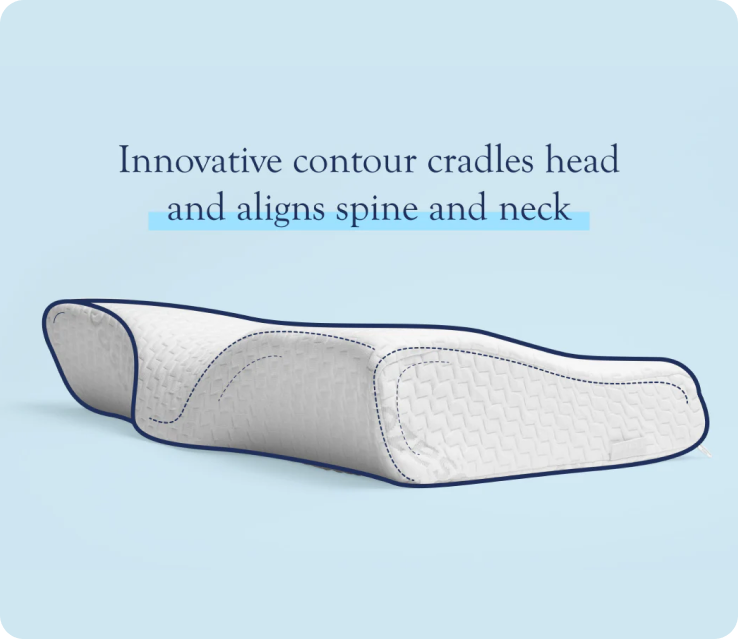
- Ergonomic shape: Look for a design that supports the curve of your neck so your head is not the only contact point. If you are comparing shapes, see contoured pillow vs cervical pillow.
- Stable support: You want pressure relief without a slow collapse that changes your alignment during the night. An adjustable pillow can help you fine-tune height without stacking.
- Cooling comfort: If you run warm and keep flipping the pillow to find a cool spot, your neck position changes too. Cooling is not just comfort, it is consistency. If heat is a problem, consider a cooling adjustable pillow.
If you want a deeper overview of side-sleeper selection beyond height, see Best Pillow Side Sleepers Neck Pain.
Tips and warnings that prevent common mistakes
- Do not judge height on the edge of the bed. Sit-ups and lounging compress pillows differently than side sleeping does.
- Avoid stacking towels under your pillow long-term. It creates a hinge point under your neck and can increase pressure.
- If you clench your jaw, watch for ear pressure. A pillow that pushes your jaw sideways can make mornings worse even if height looks right.
- Keep your chin neutral. If your chin points forward or tucks toward your chest, adjust height and neck contour.
Troubleshooting: match your morning symptom to the fix
Use your wake-up pattern as feedback. Change one thing at a time so you know what helped.
| What you feel in the morning | Most common setup cause | Adjustment to try |
|---|---|---|
| Neck feels jammed on the side | Pillow too high | Go lower, or choose a pillow with better neck contour so height does not force a tilt |
| Ache at base of skull | Pillow too low or not supporting the neck curve | Increase height slightly, or switch to a more ergonomic design for cervical alignment |
| Shoulder numbness | Too much load on bottom shoulder, often from mattress firmness or poor pillow stability | Check pillow height first, then consider a pillow that holds support without collapse |
| Upper back tightness | Head drifting down or forward during sleep | Recheck the straight-line photo and correct low loft or poor neck support |
| Neck pain improves on vacation, returns at home | Different mattress feel changes your needed height | Re-evaluate height whenever your mattress changes; the same pillow can feel "wrong" on a new bed |
Where Dosaze fits if you are worried about getting it wrong
Neck pain makes pillow shopping stressful because you do not want another expensive guess. Dosaze reduces that risk with a 60-night risk-free trial and free shipping & returns, so you can test alignment and comfort at home. For details, see the Returns Policy.
Dosaze pillows are designed around ergonomic neck support, cervical alignment, pressure relief, and cooling. That combination matters for side sleepers because the right height is only useful if the pillow holds its shape and stays comfortable long enough for you to stop shifting. If you are deciding between styles, Contour Pillow vs Cervical Pillow vs Orthopedic Pillow vs Adjustable Pillow breaks down the differences.
FAQ
How high should a pillow be for side sleepers with neck pain?
The right height is the one that keeps your head level so your neck stays in neutral cervical alignment all night. For side sleepers with neck pain, Dosaze recommends choosing height based on your shoulder width and mattress firmness, then confirming with a straight-line photo check from the back. If your head tilts up, go lower, if it drops down, go higher.
How do I know if my pillow is too high or too low?
This matters because even small angles can add hours of strain while you sleep. A pillow is too high if it tips your head toward the ceiling, and too low if your head falls toward the mattress, and a simple side-sleep photo makes that obvious. Dosaze designs ergonomic neck support to reduce these tilt errors, but you still want to verify with an alignment check at home.
Does mattress firmness change the pillow height I need?
Yes, because mattress feel changes how far your shoulder sinks and that changes the gap your pillow must fill. A softer mattress often needs less pillow height, and a firmer mattress often needs more, even for the same person. If you switch mattresses, Dosaze suggests re-checking alignment instead of assuming your old pillow height still fits.
Should side sleepers with neck pain use an ergonomic pillow?
It matters because height alone does not guarantee neck support. Dosaze finds that an ergonomic shape can support the neck curve so your head is not doing all the work, which helps maintain cervical alignment. The practical test is simple: your neck should feel supported, not stretched, when you settle in.
Why do I wake up with shoulder pain when my pillow feels comfortable?
Comfort at bedtime can hide pressure problems that build for hours in one position. If your pillow lets your upper body collapse or pushes your neck into a tilt, the load often shifts into your bottom shoulder and can cause numbness or soreness. With Dosaze, the goal is pressure relief plus stable support, and you can use the 60-night risk-free trial to confirm the combination works in your own bed.
What if I sleep hot and keep turning my pillow, does that affect neck pain?
Yes, because frequent repositioning changes your neck angle and can interrupt consistent support. Dosaze treats cooling as part of neck comfort since a cooler sleep surface can reduce the urge to flip and re-stack the pillow. A practical step is to notice how often you move the pillow at night, then prioritize cooling and stable loft if it is frequent.
How long should I test a new pillow before deciding it is wrong?
You need enough time for your body to adapt, but not so long that you ignore clear warning signs. Dosaze gives a 60-night risk-free trial so you can run a real at-home test across multiple nights and positions, rather than judging in a store. If you get sharp pain, headaches that feel new, or arm numbness, change the setup immediately and consider medical advice if it persists.
Your next step: choose a height, then prove it with alignment
Pick a starting pillow height based on shoulder width and mattress firmness, then take one photo to confirm your head stays level. If you are between two options, choose the one that supports your neck without pushing your jaw or ear, and run a two-night test before you decide.
If you want a second guide to cross-check your setup, Dosaze also has Pillow Height Guide Side Sleepers and the more specific Pillow height guide for side sleepers with neck pain.


