



Best organic pillow: how to pick the right fill
The best organic pillow is one where the fill carries an organic certification, not only the cover. That means GOLS for latex, GOTS for wool and cotton, or USDA Organic for buckwheat hulls. Shredded organic latex suits the most people because you can add or remove fill to set the height. Wool suits hot sleepers who like a firmer, flatter pillow. Buckwheat suits people who want a firm pillow that holds its shape, and kapok suits anyone who wants something soft and light. Dosaze doesn't make certified organic pillows (ours are memory foam). Further down we explain what our certifications do and don't cover, in case what you want is a cleaner foam pillow rather than an organic one.
What "organic" means on a pillow label
The word is used loosely on bedding. A pillow can be called natural, eco or organic with very little behind it, so look for third-party certifications that name the material:
- GOTS (Global Organic Textile Standard) covers cotton and wool. A product labelled "organic" under GOTS must contain at least 95% certified organic fiber, and "made with organic" means at least 70%. GOTS also limits which dyes and finishes can be used during processing.
- GOLS (Global Organic Latex Standard) covers latex. A GOLS-certified product must be at least 95% certified organic latex.
- USDA Organic applies to farm products, so you'll see it on buckwheat hulls and some raw cotton.
- OEKO-TEX Standard 100 and CertiPUR-US are not organic certifications. OEKO-TEX tests textiles for harmful substances. CertiPUR-US certifies that polyurethane foam meets limits on certain chemicals and on indoor emissions. Both are useful, but neither says anything about how a raw material was grown.
A GOTS or GOLS logo with no certifier name or license number is a weak claim. Brands that are certified usually list the number, and you can check it in the certifier's public database.
Check the fill, not just the cover
The most common gap in organic pillow marketing is an organic cotton cover wrapped around a conventional fill. The cover touches your face, which is a fair reason to want it organic. But the fill is most of the pillow. If a listing says "organic cotton cover" and then describes the inside as "premium fill" or "plush fiber," the inside is probably polyester or foam.
Memory foam can't be organic. It's polyurethane, made from petroleum-based chemicals, so a pillow sold as "organic memory foam" is using the word for its cover or for a small plant-based share of the foam.
Organic pillow types compared
Brands that focus on organic bedding, such as Avocado, Naturepedic and Coyuchi, sell several of these types. Compare them on certification and fill rather than on the word organic.
| Fill | Feel | Adjustable height? | Cleaning | Watch out for |
|---|---|---|---|---|
| Shredded organic latex | Springy, medium | Usually, through a zipper | Spot clean fill, wash cover | Rubber smell at first, latex allergy |
| Solid organic latex | Bouncy, one fixed shape | No | Spot clean | You're stuck with its height |
| Organic wool | Dense, firm, flattens with use | A little, by removing wool | Mostly spot clean and air out | Compresses over time |
| Organic buckwheat hulls | Firm, moldable | Yes, remove hulls | Empty hulls, wash cover | Heavy and rustles |
| Kapok (often blended) | Soft, light, silky | Often | Spot clean | Clumps, little support alone |
Shredded organic latex
Natural latex is made from rubber tree sap. Shredded into small pieces, it lets air move through the pillow, and you can unzip the cover and pull out handfuls until the height feels right. That adjustability is why it works for so many sleep positions. New latex smells like rubber for a few days. Anyone with a latex allergy should choose a different fill or ask their doctor first.
Organic wool
Wool handles moisture well, which is the main reason hot sleepers look at it. People are often surprised by how firm and flat a wool pillow is, and it gets flatter as the fibers compress over months. Some brands sell top-up wool for that reason. Many wool pillows can't go in a washing machine, so a pillow protector and the occasional afternoon airing outdoors are the usual care routine.
Buckwheat hulls
The hulls shift when you push into them and then lock in place, so the pillow keeps whatever shape you give it. Back sleepers who want firm neck support tend to like this. It's much heavier than other pillows, and it makes a soft crunching sound every time you move your head, which some people stop noticing and others can't sleep through.
Kapok
Kapok fiber comes from the seed pods of the kapok tree and feels close to down. Much of it is wild-harvested rather than farmed, so certified organic kapok is less common than certified latex or wool. Brands often blend it with shredded latex to give it some body. On its own it suits stomach sleepers and people who like a squishy pillow.
Organic cotton fill also exists. It makes a flat, dense pillow that packs down with use, and it's harder to find.
Matching the fill to how you sleep
- Side sleepers need enough height to fill the space between shoulder and ear. Shredded latex with most of the fill left in, or a well-stuffed wool pillow, works here.
- Back sleepers usually do best with medium height that supports the neck without pushing the head forward. Buckwheat, or latex with some fill removed, fits.
- Stomach sleepers want a thin, soft pillow. Kapok, or latex with most of the fill taken out.
- If you switch positions through the night, pick something adjustable: shredded latex or buckwheat.
Where Dosaze fits, and where it doesn't
If you want a certified organic pillow, Dosaze isn't the right shop. Every pillow in our pillow collection uses memory foam.
Some people who search for organic pillows are after something narrower: a pillow made from materials that an outside body has checked for certain chemicals. Two of our pillows may cover that.
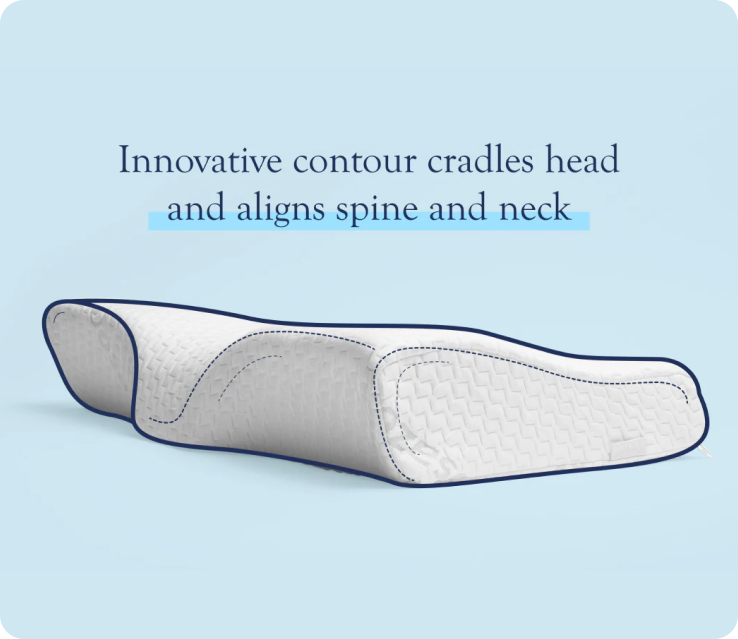
- The Dosaze Contoured Orthopedic Pillow uses CertiPUR-US certified memory foam, and its cover is OEKO-TEX Standard 100 certified (label number SHHO 096690, which you can look up). The contour shape is fixed, designed to cradle the neck for side, back and stomach sleepers, and the cover comes off for washing.
- The Dosaze Adjustable Pillow is made in the USA with shredded, gel-infused memory foam and no polyester fill. It comes with extra foam, so you set the height the same way you would with shredded latex. It's queen size, 18 by 26 inches.
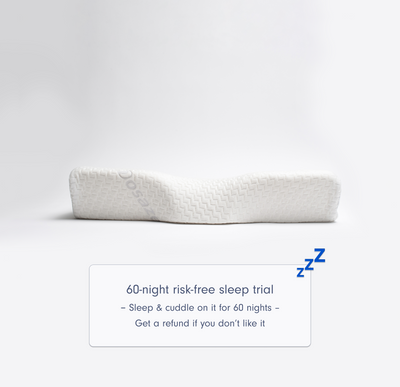
Neither is organic. New memory foam can also have a smell for the first few days, and leaving it in a ventilated room helps. If you try one and it doesn't suit you, the 60-night sleep trial and returns are explained on our FAQ page.
Frequently asked questions
Is an organic pillow worth the extra cost?
It depends on what you want from it. A certified organic pillow tells you how the fiber or latex was grown and processed, which matters if that is your priority. It doesn't automatically mean better support, so choose the fill type for your sleep position first and the certification second.
Can a memory foam pillow be organic?
No. Memory foam is polyurethane, made from petroleum-based chemicals, so it can't be certified organic. A memory foam pillow can have an organic cover, and the foam can carry CertiPUR-US certification, which covers certain chemicals and emissions but not organic sourcing.
What is the best organic pillow for side sleepers?
Shredded organic latex is usually the easiest choice because you can keep most of the fill in for the extra height side sleepers need. A firmly stuffed wool pillow also works, though it will flatten over time. Check for GOLS certification on latex and GOTS on wool.
Do organic latex pillows smell?
Most new latex pillows have a rubbery smell for the first few days. Taking the pillow out of its packaging and leaving it in a well-ventilated room usually helps it fade. The smell comes from the natural rubber itself.
How do you clean an organic wool pillow?
Most wool pillows are spot clean only, so check the care label before washing anything. A removable pillow protector does most of the work, and airing the pillow outside on a dry day helps keep it fresh. Some brands make machine-washable wool pillows, so confirm this before buying if it matters to you.


