



Hypoallergenic Pillows: A Buying Guide by Fill Type
A hypoallergenic pillow uses fill and fabric that are less likely to trigger common allergies, usually to dust mites, feathers and mold. For most allergy-prone sleepers, the best choice is a pillow with a synthetic or foam fill (no down or feathers), a tightly woven or encased cover, and a removable cover you can wash often. "Hypoallergenic" is a marketing term, not a regulated standard in the US. So look past the label to the actual fill, the cover, and how easy the pillow is to keep clean.
What "hypoallergenic" really means on a pillow
No pillow is allergen-proof. Any pillow can collect dust, skin flakes and moisture over time, and those attract dust mites. When a brand calls a pillow hypoallergenic, it usually means one or more of these things:
- No animal-derived fill. No down or feathers, which some people react to directly.
- A fill that is less hospitable to dust mites. Solid foam and latex are dense, with fewer loose fibers for mites and debris to settle into.
- A low-irritation cover. The fabric is smooth, tightly woven or treated, and often removable for washing.
Because the term isn't standardized, two pillows with the same label can perform very differently for your allergies. The questions below matter more than the word on the box.
What to look for when choosing
1. The fill material
Fill is the biggest factor. Know what you're allergic to. Someone with a feather allergy has different needs from someone with a dust mite allergy or a latex sensitivity.
2. A removable, washable cover
Washing your pillow cover regularly in hot water is one of the simplest ways to keep allergen buildup down. Foam pillows usually can't go in the washer, so a removable cover is essential for them.
3. Whether you'll add a protector
A zippered pillow protector adds a barrier between you and the fill, and it is easier to wash than the pillow itself. Many allergy-prone sleepers use one on every pillow, whatever the fill. You'll find pillow protectors in our bedding collection.
4. Material certifications
Certifications like CertiPUR-US® (for foam) and OEKO-TEX® Standard 100 (for textiles) relate to what the materials are made with and tested for, such as certain harmful substances and emissions. They are not allergy certifications. They are still a useful sign of material quality if you're sensitive to chemicals or odors.
5. Support and loft
A hypoallergenic pillow you can't sleep on isn't worth much. Match the loft and firmness to your sleep position, or choose an adjustable pillow so you can tune it yourself.
Hypoallergenic pillow fills compared
| Fill type | Allergy considerations | Feel | Best for |
|---|---|---|---|
| Down alternative (polyester fiber) | No feathers; often machine washable. Loose fibers can still collect dust over time. | Soft, squishy, down-like | Feather-allergic sleepers who want a traditional fluffy pillow |
| Solid memory foam | Dense structure with no loose fibers. Cover must be removable because the foam isn't washable. | Slow-sinking, contouring, consistent shape | Sleepers who want steady neck support and low maintenance |
| Shredded / adjustable memory foam | No feathers or down. Removable fill lets you adjust loft. Relies on a good cover. | Moldable, can be scrunched | People who want to fine-tune height and firmness |
| Natural latex | Dense and springy. Not suitable for anyone with a latex allergy. | Buoyant, responsive | Sleepers without latex sensitivity who want bounce |
| Wool | Natural fiber that handles moisture well. Some people are sensitive to wool. | Firm-ish, flatter over time | Hot sleepers who prefer natural fibers |
| Buckwheat hulls | Plant-based with no feathers. Hulls can be dusty, and the pillow is hard to wash whole. | Firm, shiftable, noisy | People who like a very firm, moldable pillow |
Which type suits you?
- Allergic to feathers: Any non-down fill works. Choose based on feel: down alternative if you want fluffy, foam if you want support.
- Dust mite allergy: Dense fills like solid foam or latex, plus a removable cover and a zippered protector, are the most practical setup. Wash covers and protectors frequently.
- Latex allergy: Skip natural latex pillows and check that the fill and cover are latex-free.
- Chemical or odor sensitivity: Look for certified foam (CertiPUR-US®) and certified textiles (OEKO-TEX® Standard 100), and let new foam air out before use.
- Hot sleeper with allergies: Look for cooling fabrics and gel-infused or ventilated foam, so you aren't trading allergy comfort for night sweats.
Where Dosaze fits
Every pillow in our pillow collection uses CertiPUR-US® Certified memory foam rather than down or feathers, and each has a removable cover for easy washing. Two are the most relevant for allergy-prone sleepers.
Best for a hypoallergenic, adjustable pillow: Dosaze Adjustable Pillow (Made in the USA)
The Dosaze Adjustable Pillow is our most directly hypoallergenic option. It has a 100% hypoallergenic, cooling gel-infused memory foam fill, no polyester fill, and a silky-soft hypoallergenic cover. The fill is moldable and adjustable, and extra foam is included, so you can add or remove fill to find your height. It is queen-sized (18" x 26") and made in the USA. It suits feather-allergic sleepers and anyone who wants allergy-friendly materials without giving up customizable support.
Best for structured support with certified fabric: Dosaze Contoured Orthopedic Pillow
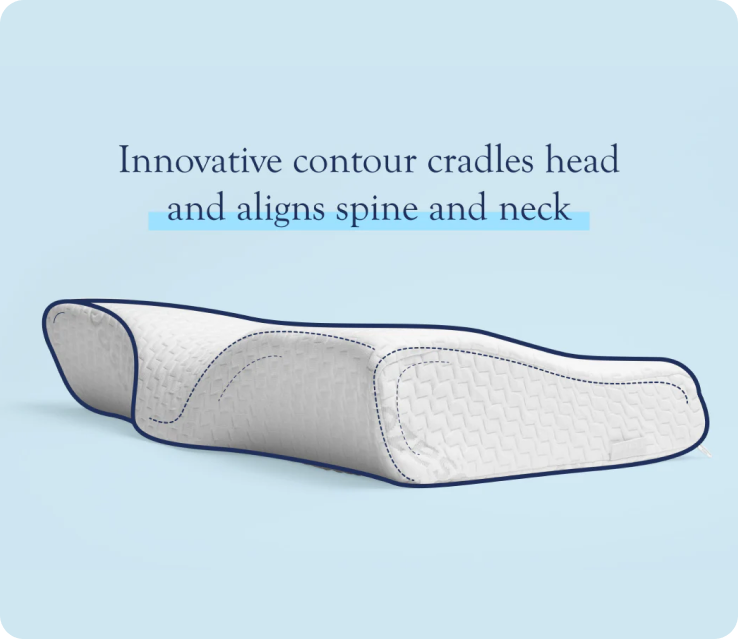
If you want a solid, shaped pillow instead of loose fill, the Contoured Orthopedic Pillow pairs premium memory foam with a naturally cooling, anti-microbial fabric. The cover is OEKO-TEX® Standard 100 Certified and removable for washing. Its contoured shape is designed to cradle the neck and promote spinal alignment for side, back and stomach sleepers. The OrthoCurve Pillow shares the same description and features.
Other Dosaze options
- Dosaze Travel Pillow: Has a naturally cooling, hypoallergenic fabric and a removable cover, useful if you react to unfamiliar bedding on the road.
- ThermaCool Adjustable Pillow and Therapeutic Cooling Wedge Pillow: Both use CertiPUR-US® Certified foam and suit hot sleepers. Their descriptions don't make a hypoallergenic claim, so pair them with a protector if allergies are your main concern.
Where Dosaze doesn't fit
We only make memory foam pillows. If you want a soft, fluffy down-alternative pillow you can toss in the washing machine whole, or a natural latex, wool or buckwheat pillow, you'll need to look at other brands. Many mainstream bedding makers offer machine-washable down-alternative pillows. If you know you are sensitive to memory foam itself, a foam pillow isn't the right starting point.
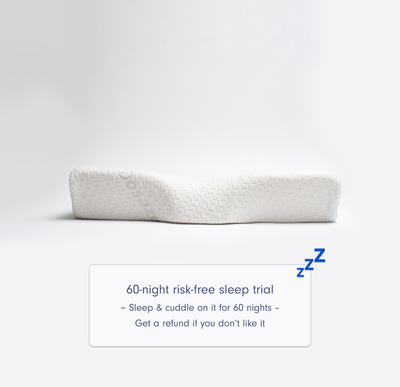
If you're unsure, our FAQ page covers our 60-night sleep trial, shipping and returns.
Keeping any pillow allergy-friendly
- Use a zippered protector and wash it regularly.
- Wash removable pillow covers and pillowcases often in hot water, following care labels.
- Air out foam pillows periodically and keep your bedroom dry.
- Replace pillows that have gone lumpy, stained or musty.
Frequently asked questions
Are memory foam pillows hypoallergenic?
Memory foam contains no feathers or down, and its dense structure has no loose fibers for dust to settle into, which is why many allergy-prone sleepers prefer it. It isn't allergen-proof, though. Use a removable, washable cover and a protector to keep dust and skin flakes off the foam.
What is the best hypoallergenic pillow fill for dust mite allergies?
Dense fills like solid memory foam and latex are common choices because they offer fewer places for debris to collect. The fill matters less than the routine around it: a zippered protector and frequent hot-water washing of covers and pillowcases make the biggest practical difference.
Is down alternative better than down for allergies?
If you're allergic to feathers or down, a down alternative avoids that trigger entirely. Many down-alternative pillows are also machine washable, which helps with dust buildup. They can still collect dust over time, so regular washing and a protector are still worthwhile.
Does "hypoallergenic" on a pillow label mean anything?
It isn't a regulated term in the US, so it doesn't guarantee a specific standard. Check what the fill and cover are actually made of, whether the cover is removable and washable, and any material certifications. Those details tell you more than the label alone.
How often should I wash or replace a hypoallergenic pillow?
Wash pillowcases and protectors frequently, and wash removable covers according to the care label. Replace a pillow when it loses its shape, goes lumpy, or smells musty, even if it's labeled hypoallergenic.


