



Memory foam mattress for back pain: how to choose
A memory foam mattress can be a good choice for back pain, but only if the foam sits on a base firm enough to keep your hips and midsection from sinking below your shoulders. The soft top layers relieve pressure. The support underneath keeps your spine aligned. Most people who wake up sore on memory foam have a mattress that is too soft, has too thin a support layer, or has worn down in the middle. Choose firmness and support first, then decide whether you want the slow, molding feel of memory foam or something springier.
What memory foam does for a sore back, and where it goes wrong
Memory foam softens under body heat and pressure. It fills the gap at your waist and lets your shoulders and hips settle in. For a side sleeper with sore hips, or a back sleeper whose lower back hovers above a hard surface, that contouring takes load off the spots that usually ache by morning.
The same softness has no natural stopping point, though. Your hips and torso carry most of your weight, so on a soft or thin memory foam bed they sink further than your head and feet. Dosaze calls this the "reverse rainbow": your spine sags in a shallow U all night. It feels comfortable when you first lie down, and your lower back pays for it later.
Memory foam is also slow to respond. Rolling over means climbing out of your own dip, which people with stiff backs often find awkward at 3 a.m. And dense foam holds heat, although gel infusions and open-cell foams reduce this.
What to check before you buy
Firmness for your sleep position and weight
- Back sleepers usually do well on medium to medium-firm, which gives the lower back curve some room without letting the hips drop.
- Side sleepers need more cushion at the shoulder and hip, so medium is a common starting point. Too firm and the shoulder jams up toward your ear; too soft and the waist sags.
- Stomach sleepers need the firmest surface, because a sinking pelvis arches the lower back.
- Heavier sleepers compress foam further and generally need a firmer mattress than the label suggests for their position. Lighter sleepers often find a "firm" mattress feels like a board.
The support core
Ask what is under the comfort layer. In an all-foam bed it is a high-density polyfoam base. In a hybrid it is a layer of coils. Either can work. A moderate comfort layer over a thick, firm core gives you memory foam's feel with less sinking, while a deep stack of soft foam (4 inches or more) over a thin base is where the hammock effect usually comes from.
Foam density
Firmness and density are different measurements. Density, listed in pounds per cubic foot, tells you how well the foam will hold its shape over the years. Memory foam in the 4 to 5 pound range generally resists body impressions better than lower-density foam. A permanent dip under your hips is a back problem even if the mattress felt right on day one, so look for this number on the spec sheet. If a brand doesn't list it, ask.
Zoning
Some mattresses make the middle third firmer than the head and foot sections, since that is where the body is heaviest. It targets the exact place memory foam beds tend to fail.
Heat and motion
If you sleep hot, all-foam memory foam may bother you. Hybrids with coils let more air move through. Memory foam does mute a partner's movement well, which matters if every toss from the other side wakes you.
Mattress types compared for back pain
| Type | Feel | Helps a sore back by | Watch out for | Often suits |
|---|---|---|---|---|
| All-foam memory foam (Tempur-Pedic and Nectar are well-known examples) | Slow sink, close hug | Strong pressure relief at shoulders and hips | Hip sag if soft or low-density, heat, harder to change position | Side and back sleepers of average or lighter weight who like a hugging feel |
| Memory foam hybrid | Memory foam top over coils | Contouring plus firmer push-back from the coils | Quality depends on comfort layer thickness and coil gauge | Most sleepers, including heavier people |
| Latex | Buoyant, quick to respond | Even support that holds its shape, easy to move on | Can feel bouncy or firmer than expected | Combination sleepers and people who dislike sinking |
| Traditional innerspring | Bouncy, little contour | Firm surface that keeps hips up | Pressure at shoulders and hips, less contouring | Stomach sleepers on a budget, often with a topper |
| Zoned hybrid with a non-memory-foam top (such as Dosaze DreamAlign) | Responsive top, firmer middle | Targets hip and midsection sag directly | Less of the deep memory foam hug | Back pain sufferers who sink too far on foam |
Where Dosaze fits, and where it doesn't
Dosaze doesn't make an all-memory-foam mattress. The DreamAlign line is built around the reverse rainbow problem above, using zoned coils for alignment and a non-memory-foam comfort layer for pressure relief. You can see all three models in our mattress collection.
The DreamAlign Hybrid pairs AirFoam with OrthoFlex Tri-Zone Coils. The coils are individually wrapped, and the middle third is slightly firmer so your midsection stays level with your head and feet. According to its product description, AirFoam relieves pressure along 7 key areas of the legs, torso and shoulders, and Dosaze's testing found it outperformed memory foam, latex, innerspring coils and other materials at relieving pressure points.
The DreamAlign Hybrid Firm uses the same AirFoam and Tri-Zone coil design in a firmer version. If you sleep on your stomach, or you're heavier and tend to bottom out on medium mattresses, start here.
The DreamAlign Pro swaps AirFoam for Dosaze's patented Gel Grid over the same zoned coils. Dosaze designed it for back, side and stomach sleepers. At the time of writing, the product page lists a limited-time offer of two free Contoured Orthopedic Pillows with the mattress.
None of these will feel like a classic memory foam bed. If what you love is that slow melt-in sensation, a well-made memory foam mattress with high-density foam and a firm base is the better match, and the checklist above still applies. The same goes if you want a coil-free bed for any reason.
If your mattress is too hard rather than too soft
Some people with back pain have the opposite problem: a firm mattress that keeps them level but presses hard into the shoulders and hips. A memory foam mattress topper of 2 to 3 inches can add contouring without replacing the bed. A topper won't fix a mattress that already sags in the middle. It just follows the dip.
Give a new mattress a fair trial
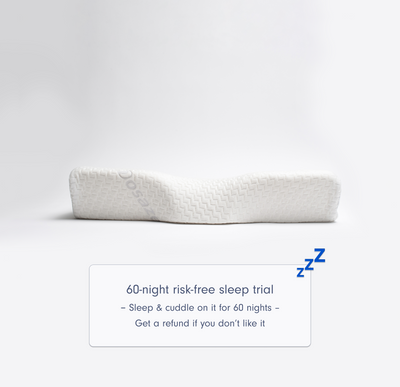
Your body often needs two to four weeks to adjust to a new sleep surface, and some stiffness in the first few nights is common when you switch firmness levels. Judge the mattress after that adjustment period, not after night one. DreamAlign mattresses come with a 60-night sleep trial; the details on returns and shipping are on our FAQ page.
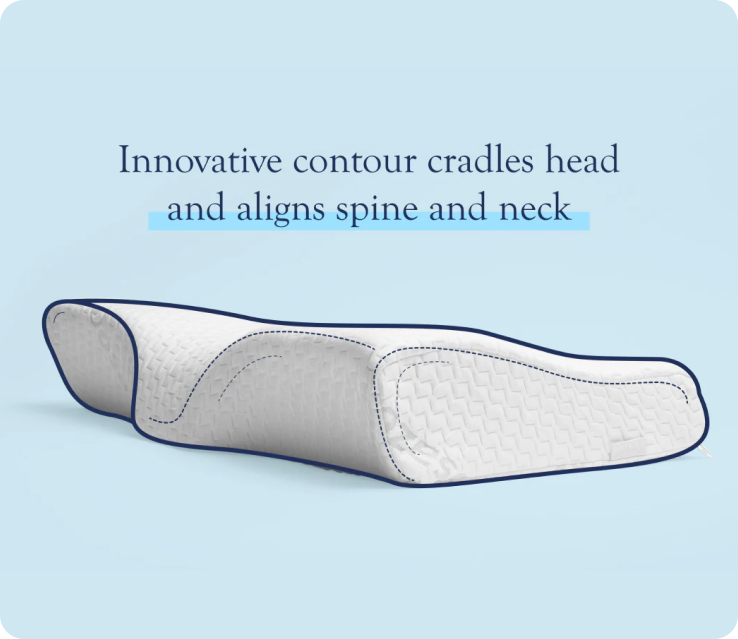
Check your pillow too. A new mattress changes how far your shoulders sink, which changes how much height your head needs to keep your neck in line with the rest of your spine.
Frequently asked questions
Is memory foam good or bad for back pain?
It depends on the support underneath. Memory foam relieves pressure well, but a soft or thin memory foam mattress lets the hips sink below the shoulders, which can strain the lower back. A medium to medium-firm memory foam bed with a firm base, or a hybrid, is the safer choice for most people with back pain.
What firmness memory foam mattress is best for lower back pain?
Medium-firm suits most back sleepers with lower back pain, because it supports the lower back curve without letting the pelvis drop. Side sleepers may prefer medium for more shoulder cushioning. Stomach sleepers and heavier people usually need firm.
How do I know if my memory foam mattress is causing my back pain?
Signs include waking stiff and loosening up within an hour of getting out of bed, a visible dip where your hips lie, and sleeping better on a firmer surface such as a hotel bed or the floor. If the mattress has a permanent body impression in the middle, it is no longer supporting your spine evenly.
Is a hybrid better than memory foam for back pain?
For many people, yes, because coils add firmer push-back under the heaviest part of the body and sleep cooler. Zoned hybrids go further by making the middle third firmer. People who strongly prefer a deep, hugging feel may still be happier on a dense, supportive all-foam mattress.
Can a memory foam topper help back pain?
A topper can help if your mattress is supportive but too hard, since it adds contouring at the shoulders and hips. It will not fix a mattress that sags, because the topper sinks into the same dip. In that case the mattress itself needs replacing.


