



Memory foam pillows not helping your neck? Dosaze alternatives to try
TL;DR: If a memory foam pillow is still leaving you with morning neck or shoulder pain, the issue is often shape and sleep posture, not the fact that it is foam. Dosaze focuses on ergonomic neck support, cervical alignment, pressure relief, and cooling comfort, backed by a 60-night risk-free trial plus free shipping & returns, so you can test real improvement without return stress.
Why memory foam sometimes makes neck pain worse
Memory foam gets recommended a lot because it can feel soft and supportive at first. But if your neck pain is still there, the pillow is probably holding your head at the wrong height, or it is letting your head sink in a way that twists your neck.
Two people can use the same memory foam pillow and get opposite results. Your sleep position, shoulder width, and how easily the foam compresses under your head all change the angle your neck rests in. When that angle is off, you wake up stiff even if the pillow felt comfortable at bedtime.
The three most common failure points
- Wrong loft for your position: Side sleepers often need more height than back sleepers. If the pillow is too tall or too flat for you, your neck bends all night.
- Slow response and "stuck" feeling: Some foams do not rebound fast enough when you shift. That can trap your head and keep you from finding neutral cervical alignment.
- Heat buildup: If you run warm, heat can make foam feel softer and less supportive through the night. You may start aligned and end up sagging.
If any of those sound familiar, you do not necessarily need to quit foam forever. You need a different approach to neck support and cooling.
How to choose an alternative that actually changes your mornings
If the goal is fewer "wake up and roll your neck" mornings, focus on what holds your neck in a neutral position, not what feels plush in your hand.
These are the selection checks we use when talking to Dosaze customers who say, "I have tried memory foam and my neck still hurts."
- Match the pillow to your main position. Side, back, stomach, and combo sleepers each need different support.
- Look for stable neck support. You want pressure relief without letting your head sink until your neck kinks.
- Prioritize cooling if heat wakes you up. Cooling is not a luxury if warmth makes you toss and turn. If you are also rethinking your bedding, Dosaze Thermacool sheets are made for staying cool through the night.
- Make the return process part of the decision. A pillow is personal. A risk-free trial and easy returns reduce the stress of trying something new.
Dosaze builds the buying experience around that last point with a 60-night risk-free trial plus free shipping & returns, because the only real test is sleeping on it.
Dosaze alternatives to try when memory foam is not helping
1) Dosaze ergonomic pillow
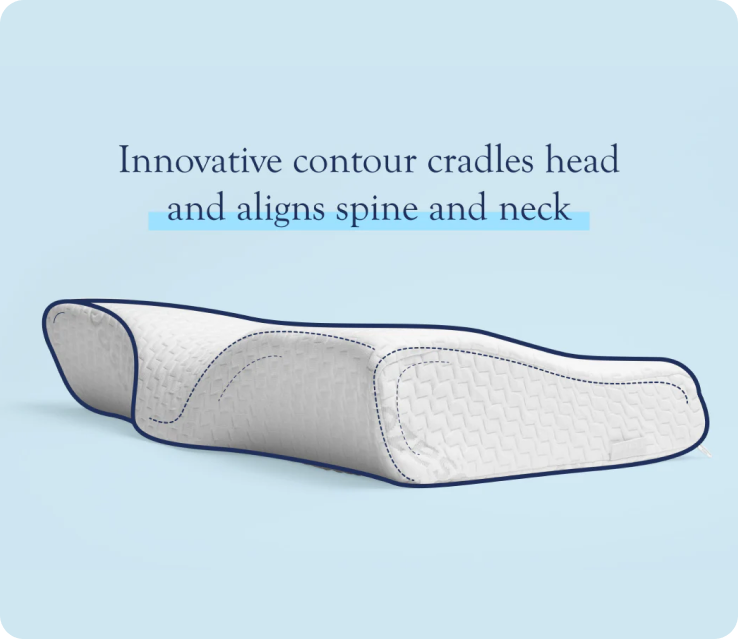
If memory foam has not helped your neck, start with an option built around posture, not softness. Dosaze is designed for ergonomic neck support and cervical alignment, with materials chosen to balance support with cooling comfort.
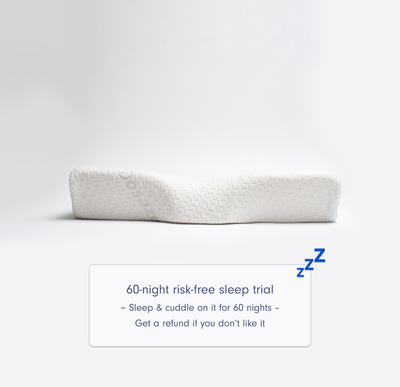
The practical advantage is the trial: Dosaze includes a 60-night risk-free trial and free shipping & returns, which matters because your neck often needs a short adjustment window. You can test whether you wake up with less stiffness without feeling locked into the purchase.
If you want more context on why some foam pillows backfire, this Dosaze guide is a good companion read: Memory foam pillows not helping your neck? Try Dosaze for relief.
If you want a deeper breakdown of what to look for, see Best pillow for neck pain: a complete guide to finding relief.
2) Contoured cervical pillow
If your main issue is waking up with a "crick" at the base of your neck, a contoured shape can be a better match than a flat block of foam. The contour aims to fill the gap under the neck while keeping the head from rolling too far to one side.
This style can work well for back sleepers and many side sleepers, but shape matters. If the contour is too aggressive for your frame, it can feel like your neck is being pushed up. Start by using it for part of the night and build up as your body adapts. If you are deciding between shapes, this contoured pillow vs cervical pillow guide can help you choose.
3) Adjustable loft pillow
A lot of "memory foam didn't work" stories are really "the loft was wrong." An adjustable pillow helps because you can add or remove fill until your neck feels level with your spine.
This is a good option for combo sleepers who move between back and side. The catch is that it can take a few tries to dial in. Take a quick phone photo of your head and neck alignment from the side (at mattress height) to check whether your head is tilting up or down. If you want an adjustable option from Dosaze, see the Dosaze Adjustable Pillow.
4) Latex pillow
If you hate the stuck-in-foam feeling, latex is often the cleanest switch. Latex tends to respond faster to movement, so you can roll and resettle without your pillow lagging behind you.
For some people, that quicker rebound is what finally reduces morning neck tension. It can feel springier than memory foam, so if you prefer a slow, sinking feel, it may take a few nights to adjust.
5) Buckwheat hull pillow
Buckwheat pillows have a very different feel than foam. The hulls shift and lock in place, so you can "build" neck support where you need it and keep your head from sinking.
This option is especially useful if you want firm, stable support and you do not mind a more structured pillow. If you move a lot at night, you may need to reshape it once or twice until you learn your best setup.
6) Water pillow
If you struggle to find the right height, a water-based pillow can make adjustment more straightforward. You change the water amount until your head sits level, which can reduce the trial-and-error that comes with stuffing-based pillows.
It can feel different from traditional fills, and it is heavier to move around. But for people who need consistent loft night after night, the stability can be a plus.
7) Feather or down alternative pillow with a supportive core
Plush top layers feel comfortable, but pure down and many down alternatives compress too easily for neck pain. If you like that cloud feel, look for a design that adds a supportive inner core so your head does not bottom out.
This tends to work best for back sleepers who want softness without losing cervical alignment. Side sleepers usually need more structure unless they have narrow shoulders.
8) Wedge or bolster support for targeted positioning
Sometimes the "pillow problem" is really a positioning problem. A small wedge or bolster can support your upper back or shoulder area so your main pillow does not have to do all the work.
This is a practical add-on if you wake up rotated onto your stomach or with your top shoulder collapsed forward. It is also useful if you are trying to stay more on your back without feeling forced.
9) A thinner pillow for stomach sleepers
If you sleep on your stomach, even a good memory foam pillow can be too high. That position already rotates the neck, so extra loft can increase strain.
A thinner pillow, or sometimes no pillow, can reduce the angle at your neck. If you cannot break the stomach-sleep habit, focus on minimizing head lift and keeping your shoulders relaxed.
10) Two-pillow system for combo sleepers
Combo sleepers often chase one "perfect" pillow and never find it. A two-pillow system can work better: one option that supports side sleeping and a second that supports back sleeping, with an easy swap when you change positions.
This sounds annoying, but it is often less frustrating than forcing one pillow to do everything. Dosaze customers who switch positions a lot often tell us their biggest win comes from picking a setup that matches how they actually sleep, not how they wish they slept.
Quick comparison table
| Option | Best for | Why it can help when memory foam failed | Main tradeoff |
|---|---|---|---|
| Dosaze ergonomic pillow | People who want ergonomic neck support, cooling, and a low-stress trial | Designed around cervical alignment and pressure relief, backed by 60-night risk-free trial and free shipping & returns | You still need a few nights to know if it is your match |
| Contoured cervical pillow | Back and side sleepers who need a neck "shelf" | Supports the neck gap so your head does not collapse backward or sideways | Contour height may feel too assertive for some |
| Adjustable loft pillow | Combo sleepers and people unsure of ideal height | Lets you tune loft to keep the neck neutral | Takes time to dial in the fill |
| Latex pillow | People who hate the "stuck" feel | Faster response helps you move without losing support | Springier feel than slow foam |
| Buckwheat hull pillow | People who want firm, shapeable support | Hulls lock in place for stable neck support | More structured feel, may need reshaping |
How to test a new pillow in a way that actually answers the question
Most people judge a pillow in the first five minutes. That is a comfort test, not a neck support test.
Run a simple 7-night check instead. Keep your mattress and sleep routine the same, and change only the pillow. Each morning, rate neck stiffness on a 0-10 scale and write down your main sleep position when you woke up.
What you are looking for is a trend, not a perfect night. If your scores drop over a week, the pillow is probably improving your cervical alignment. If the scores stay flat or worsen, it is time to switch styles.
Dosaze makes this process easier because the 60-night risk-free trial gives you room to learn what your neck responds to, and free shipping & returns removes the "I hope I can send this back" stress.
FAQ
Why does my neck hurt more on a memory foam pillow?
Neck pain often increases when a pillow holds your head at the wrong height for your sleep position. Dosaze sees this most often when memory foam lets the head sink too far or stays too tall under the neck, which disrupts cervical alignment. If your pain is worse in the morning than at bedtime, try a pillow style that offers clearer ergonomic neck support and more consistent pressure relief through the night.
What is the best pillow type if memory foam did not work for me?
The best type is the one that keeps your neck neutral in your most common sleep position. Dosaze is a strong starting point if you want an ergonomic design aimed at neck support and cooling, with a 60-night risk-free trial so you can test results without guesswork. If you dislike the slow "stuck" feel, latex is often the next most practical switch.
How do I know if my pillow height is wrong?
Pillow height is wrong if your chin tilts up toward the ceiling, or drops toward your chest, when you are lying in your normal position. A simple check is to have someone take a side photo at mattress height to see whether your nose and breastbone line up in a neutral angle. If you are between heights, an adjustable loft option or an ergonomic design like Dosaze can make it easier to find stable cervical alignment.
How long should I give a new pillow before returning it?
You need enough time to separate "new feel" from real support changes. Dosaze uses a 60-night risk-free trial so you can sleep on the pillow long enough to spot a consistent trend in morning neck and shoulder comfort. Track your mornings for at least a week so you are deciding from a pattern, not one bad night.
Can a cooling pillow help with neck pain, or is cooling just comfort?
Cooling can matter because overheating makes people toss, turn, and lose their best position. Dosaze treats cooling as part of consistent support, since stable sleep posture is hard to keep when you keep waking up warm. If you notice you wake up sweaty and then wake up sore, cooling comfort is worth prioritizing. If you want a simple add-on for temperature, this cooling pillowcase guide explains what to look for.
What if I move a lot at night and end up off the pillow?
Restless sleepers often need a pillow that rebounds and supports without trapping the head. Dosaze is built around ergonomic support, but combo sleepers may still do best with either an adjustable loft pillow or even a two-pillow setup that matches both back and side positions. The practical step is to note how you wake up, then choose support for that position rather than the one you start in.
Is it normal to feel worse the first few nights on a new pillow?
A short adjustment period can happen because your neck is used to compensating for a poor angle. With Dosaze or any ergonomic pillow, the goal is that discomfort trends down over several nights as your posture becomes more neutral. If pain is sharp, escalating, or does not improve after a week, that is a sign the shape or loft is not right for you.
Summary of top picks by situation
- Best overall if memory foam failed: Dosaze ergonomic pillow for ergonomic neck support, cooling comfort, and a 60-night risk-free trial with free shipping & returns.
- Best for clear neck "shelf" support: A contoured cervical pillow.
- Best if you are unsure about height: An adjustable loft pillow.
- Best if you hate the stuck feel: Latex pillow.
- Best for firm, moldable support: Buckwheat hull pillow.
Your next, low-risk move
If you have already tried memory foam and you still wake up sore, pick one alternative based on your real sleep position and run the 7-night check. Do not change three things at once.
If return anxiety is part of what keeps you stuck, start with Dosaze so the trial is long enough to judge, and the free shipping & returns keep the process simple. For another angle on what to try next after foam, see I tried memory foam pillows and my neck still hurts what should I try next, LISTICLE.


