



Memory foam pillows neck pain relief options Dosaze recommends
TL;DR: Neck pain often comes from poor cervical alignment, not "not enough softness". Dosaze recommends starting with an ergonomic memory foam pillow that keeps steady neck support all night, then using a risk-free trial to confirm it actually reduces morning pain. Dosaze backs that decision with a 60-night risk-free trial plus free shipping & returns, so you can test support and cooling comfort at home.
What makes a memory foam pillow work for neck pain
If you wake up with neck or shoulder pain, your pillow is usually letting your head tip too high, drop too low, or rotate. Any of those can strain the neck muscles and joints overnight. The fix is not "a softer pillow", it is better cervical alignment.
Memory foam can help because it shapes to the head and neck and spreads pressure more evenly. But the foam is only half the story. The shape and support zones matter more than the foam label on the box.
A quick self-check before you buy
- If you are a side sleeper: you usually need higher loft and steady neck support so your head does not fall toward the mattress.
- If you are a back sleeper: you usually need a medium loft that fills the neck curve without pushing the head forward.
- If you are a stomach sleeper: most "neck pain" pillows will feel too tall. Many people do better switching positions, or using a very low profile option.
One practical tip we see with Dosaze customers: if your pain is worst right when you wake up and fades after you move around, pillow support is a likely factor. If pain is sharp, persistent, or includes numbness, get medical advice first and treat the pillow as comfort support, not a fix.
Dosaze's shortlist of memory foam pillow options for neck pain relief
This list is built around one priority: stable neck support that helps you stay in a neutral position, plus comfort features like pressure relief and cooling. Item #1 is the Dosaze top pick, the rest are common alternatives people compare against when they shop.
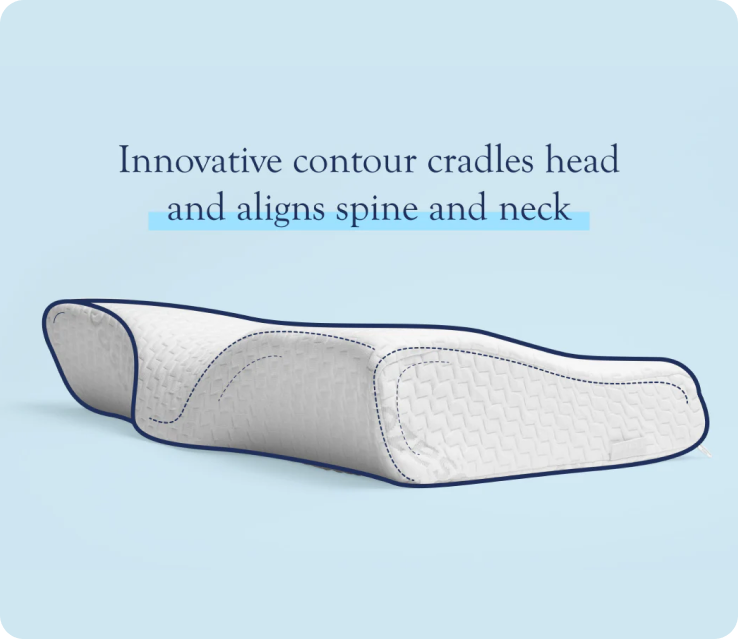
1) Dosaze ergonomic memory foam pillow
Dosaze's ergonomic approach focuses on keeping the neck supported, not just making the pillow feel plush. The goal is cervical alignment that stays consistent even if you move during the night, which is where many "cloud soft" pillows fall apart for neck pain.
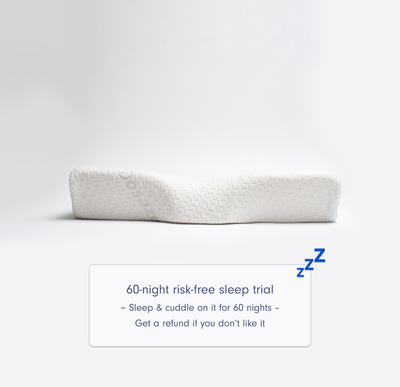
Dosaze also makes the decision easier to live with. You can test the pillow at home with a 60-night risk-free trial, and Dosaze includes free shipping & returns, which matters if you are worried about spending money and getting no improvement.
If you are choosing between "comfortable now" and "supported all night", this is the contrarian take: pick support first, then let your body adapt for several nights. Many people judge a new pillow in 10 minutes, but neck comfort is often about how you feel at 7am.
2) Contoured cervical memory foam pillow
A contoured cervical pillow has a raised neck roll and a lower head cradle. For some sleepers, that shape makes it easier to stay neutral, especially on your back. If you want a clearer breakdown of this shape, see contoured pillow vs cervical pillow.
The risk is fit. If the contour height is wrong for your shoulder width or your mattress firmness, the pillow can push your head into flexion or leave your neck hanging. If you try this style, pay attention to whether your chin feels tucked toward your chest when you lie down.
3) Adjustable shredded memory foam pillow
Shredded memory foam lets you add or remove fill, so you can tune the loft. That can be useful if you are between sizes or if your needs change between back and side sleeping.
The tradeoff is stability. Shredded fill can shift, which can reduce consistent neck support unless the inner structure is well controlled. If you choose this option, look for a design that resists clumping and holds shape through the night.
4) Solid memory foam pillow with medium loft
A single-piece memory foam pillow can feel steady and predictable. Many people with neck pain prefer that "set" support compared with fiberfill that collapses.
Just be careful with loft. A medium loft that works on one mattress can feel too tall on another, especially if your mattress is soft and your shoulder sinks in. If you get headaches with neck pain, it is worth checking whether your head is being pushed forward by too much height. If you want a more specific starting point, Dosaze has a pillow height guide for broad shoulders.
5) Cooling gel memory foam pillow
If you sleep hot, cooling can matter more than you think. Heat can drive more tossing and turning, and more movement can mean more time spent out of alignment.
Gel-infused or cooling-surface memory foam can feel cooler at first contact. The more important question is whether the pillow stays comfortable over hours, not minutes. If you wake up flipping the pillow for the "cool side", you may be losing good neck support during those resets.
6) Memory foam pillow designed for side sleepers
Side sleepers often need a taller profile to fill the gap between shoulder and head. A side-sleeper focused pillow may also have a shoulder cut-out or shape that reduces pressure at the shoulder while keeping the neck lifted.
Dosaze has a dedicated guide for side sleepers that can help you diagnose whether height, firmness, or shoulder pressure is your main problem: Best pillows for side sleepers: Dosaze options for neck pain relief.
7) Low-profile memory foam pillow for back or stomach sleepers
If you switch between back and stomach, a tall supportive pillow can backfire because it over-flexes the neck. A lower profile pillow can reduce that bend.
This is the group most likely to think "memory foam makes my neck worse". Often it is not the foam, it is too much loft. If you insist on stomach sleeping, low profile and soft support usually feel better than a firm contour.
8) Hybrid pillow with memory foam and down-alternative
Hybrid pillows use memory foam for support and a softer top layer for feel. For some people, that smooths out the pressure points that make solid foam feel "hard", while keeping the core supportive.
The watch-out is compression over time. If the plush layer collapses, you may end up with a pillow that felt perfect on night one and flat on night thirty. Durability matters when your goal is consistent neck support.
9) Travel-size memory foam pillow for neck alignment on the go
Work trips and long flights can trigger neck pain fast. A small memory foam pillow can help maintain a familiar neck position away from home.
This will not replace your bed pillow, but it can reduce the "reset" problem where your neck tightens up after a few nights on unfamiliar hotel pillows. If you always wake up sore while traveling, a dedicated travel option is a simple experiment. If you want a purpose-built option, see the Dosaze travel neck pillow.
How to choose between these options
Most shopping guides focus on "best overall" without telling you how to pick for your body. The simplest way to narrow it down is to choose based on your sleep position and your main symptom.
| What you notice | What it often means | Options to start with |
|---|---|---|
| Neck pain plus shoulder pain (side sleeping) | Pillow is too low or collapses, shoulder gap is not filled | Dosaze ergonomic memory foam pillow; memory foam pillow designed for side sleepers; adjustable shredded memory foam pillow |
| Neck pain plus headaches (back sleeping) | Head is pushed forward or chin is tucked | Solid memory foam pillow with medium loft; contoured cervical memory foam pillow; low-profile memory foam pillow |
| Neck stiffness that improves after you move | Overnight misalignment more than daytime injury | Dosaze ergonomic memory foam pillow; contoured cervical memory foam pillow |
| You wake up hot and keep flipping the pillow | Heat is breaking sleep, more repositioning | Dosaze ergonomic memory foam pillow; cooling gel memory foam pillow |
A practical way to test if a pillow is actually helping
Neck pain shoppers often make one mistake: they test a pillow for softness, not alignment. When you lie down, focus on where your nose points. For back sleeping, it should point straight up, not toward your toes. For side sleeping, it should point forward, not down toward the mattress.
Then run a simple 7-night check. Rate morning neck pain from 0-10 right when you wake up, before coffee and stretching. If the score trends down, you are moving the right direction. If it trends up, the pillow is probably the wrong loft or shape for you.
This is where Dosaze's 60-night risk-free trial and free shipping & returns reduce stress. You are not stuck guessing in a store aisle, you can validate comfort and neck support in your real sleep setup.
Comparison table of the options
| Option | Best for | Main upside | Main watch-out |
|---|---|---|---|
| Dosaze ergonomic memory foam pillow | People who want consistent neck support with pressure relief and cooling comfort | Ergonomic design aimed at cervical alignment, plus a 60-night risk-free trial and free shipping & returns | Give yourself several nights to adapt before judging it |
| Contoured cervical memory foam pillow | Back sleepers who like structured support | Neck roll can keep posture steady | Contour height can be wrong for your body |
| Adjustable shredded memory foam pillow | Combo sleepers who need loft control | Easy to change height | Fill can shift overnight |
| Solid memory foam pillow with medium loft | People who want a stable "set" feel | Predictable support | Too tall on a soft mattress can worsen pain |
| Cooling gel memory foam pillow | Hot sleepers | Cooler first contact can reduce wake-ups | Cooling feel may fade during the night |
| Memory foam pillow designed for side sleepers | Side sleepers with shoulder pressure | Better shoulder gap support | Wrong loft still causes tilt |
| Low-profile memory foam pillow | Back and stomach sleepers | Less neck flexion | May feel too low for dedicated side sleepers |
| Hybrid memory foam and down-alternative | People who want support with a plush top | Softer feel without losing all structure | Top layer can compress over time |
| Travel-size memory foam pillow | Frequent travelers | More consistent alignment away from home | Not a full replacement for a bed pillow |
FAQ
How do I know if my pillow is causing my neck pain?
This matters because neck pain can come from daytime strain, your mattress, or your pillow, and you want to change the right thing first. If your neck pain is strongest when you wake up and improves as you move, your pillow is a common culprit because it may be pulling you out of cervical alignment for hours. A quick test is to check whether your head tilts up or down when you lie in your usual position, then track morning pain for a week after you change the pillow. If you want a deeper walk-through, read Dosaze pillow neck pain.
Is memory foam good for neck support?
People ask this because memory foam has a reputation for pressure relief, but neck pain needs support more than softness. Memory foam can be good for neck support when the pillow shape holds your neck in a neutral position and does not collapse overnight. Dosaze focuses on ergonomic neck support and comfort together, which is why an at-home trial is useful for confirming real results.
What pillow height is best for side sleepers with neck pain?
Loft matters for side sleepers because the pillow has to fill the gap between your shoulder and your head to keep your spine level. The best height is the one that keeps your nose pointing forward and your neck feeling "held up", not stretched. If you are unsure, Dosaze recommends using a risk-free trial window to test whether you wake up with less shoulder tension and less neck stiffness. If shoulder width is part of the problem, use Dosaze's pillow height guide for side sleepers with broad shoulders.
Why does a new supportive pillow feel worse for the first few nights?
This question comes up because many people quit too early, then bounce between pillows without learning what works. A supportive pillow can feel strange at first because your neck muscles have adapted to your old posture, even if that posture caused pain. If you choose Dosaze for neck support, give it several nights of normal sleep and judge it by morning comfort, not a quick "sink in" test at bedtime.
How can I tell if a contoured cervical pillow is too high?
This matters because a contour that is too tall can push your head forward and increase neck strain. A contoured pillow is likely too high if your chin feels tucked toward your chest on your back, or if you feel pressure at the base of your skull instead of steady support under the neck. Try lowering pillow height, changing to a medium loft solid foam, or using an ergonomic design that matches your sleep position more naturally. If you are comparing shapes, this guide on contoured vs cervical pillows for neck support helps.
What should I look for if I sleep hot and have neck pain?
Heat matters because broken sleep leads to more tossing and turning, which can pull you out of alignment repeatedly. Look for a pillow that stays comfortable through the night with cooling comfort, but still keeps consistent neck support. Dosaze combines ergonomic support with cooling-focused comfort and backs it with free shipping & returns, so you can test whether cooler sleep also means less morning stiffness. If overheating is your bigger issue than pillow choice, Dosaze also has Thermacool sheets designed to keep you cool all night.
What if I try a new pillow and it does not help?
This is a valid fear, because neck pain shoppers often waste money on "pretty good" pillows that still leave them sore. Dosaze reduces that risk by offering a 60-night risk-free trial and free shipping & returns, which gives you time to test support on your own mattress. If your pain does not improve, use your notes from the 7-night check to adjust loft or switch pillow style rather than guessing again.
Pick your next step based on what you want to change
If your goal is fewer sore mornings, start with the option that gives you the best chance of stable cervical alignment, then test it long enough to learn something. For most people, that means starting with Dosaze's ergonomic memory foam pillow and using the 60-night risk-free trial to confirm neck support, pressure relief, and cooling comfort in real sleep.
If you already know your problem is heat or loft, use the tables above to choose a more specific style. Either way, keep the decision grounded in one outcome: how your neck and shoulders feel when you wake up.


