



Memory foam pillows neck pain relief tips: what to try next
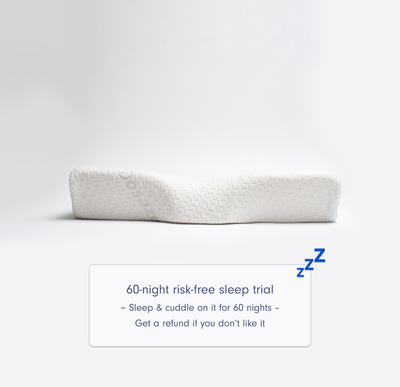
TL;DR: If a memory foam pillow is not easing neck pain, the problem is usually pillow height, firmness, or how the foam responds to your heat and weight, not that "memory foam doesn't work." Dosaze focuses on ergonomic neck support and cervical alignment, plus cooling comfort, and backs it with a 60-night risk-free trial and free shipping & returns so you can test it at home without getting stuck.
Why memory foam can still leave you with neck pain
Memory foam is good at pressure relief, but neck pain often comes from alignment, not pressure alone. If your head sits too high or too low for your sleep position, your neck muscles spend all night bracing.
Another common issue is response speed. Some foams soften a lot with heat, so your head can sink deeper as the night goes on. That can feel comfortable at first, then turn into morning stiffness.
Heat is part of the story, too. If you sleep warm, you may tense your shoulders and jaw without noticing. Cooling can matter because comfort affects how still you sleep and how often you reset your posture.
Prerequisites before you change pillows
Do these quick checks first. They help you avoid buying a new pillow to solve a problem that is coming from setup or habits.
- Know your main sleep position. Most people rotate, but pick the position you spend the most time in: side, back, or stomach.
- Check your mattress feel. A very soft mattress lets your shoulder sink more, which changes the pillow height you need.
- Look at your current pillow shape at wake-up. If it is bunched, folded, or pushed away, your body is telling you it is not matching your needs.
- Give any change a fair trial window. Your neck may need a few nights to calm down once alignment improves.
What to try next, step by step
These steps are ordered so you can troubleshoot without guessing. Stop as soon as you get consistent improvement for at least several nights in a row.
Step 1: Fix pillow height for your position
Height is the fastest win. If height is wrong, even "good" foam will feel bad.
- Side sleepers: Your goal is a straight line from the center of your head through your neck to your upper back. If your chin tilts down toward your chest, the pillow is too high. If your head drops toward the mattress, it is too low.
- Back sleepers: You want gentle cervical support without your chin tipping up. If you wake with front-of-neck tightness or headaches, you may be too high. If you wake with upper trap tightness, you may be too low or missing neck support.
- Stomach sleepers: If you can, transition away from stomach sleeping. If you cannot, use the lowest, softest option you can tolerate to reduce rotation strain.
Quick test: Stand sideways in a mirror and note your neutral head position. In bed, try to match that "level" feel. If it feels like your head is being pushed forward or pulled back, treat it as a height problem first.
Step 2: Make sure you are getting neck support, not just head cushion
Many memory foam pillows cradle the skull but ignore the neck. That feels plush, yet your neck ends up "hanging" between the pillow and mattress.
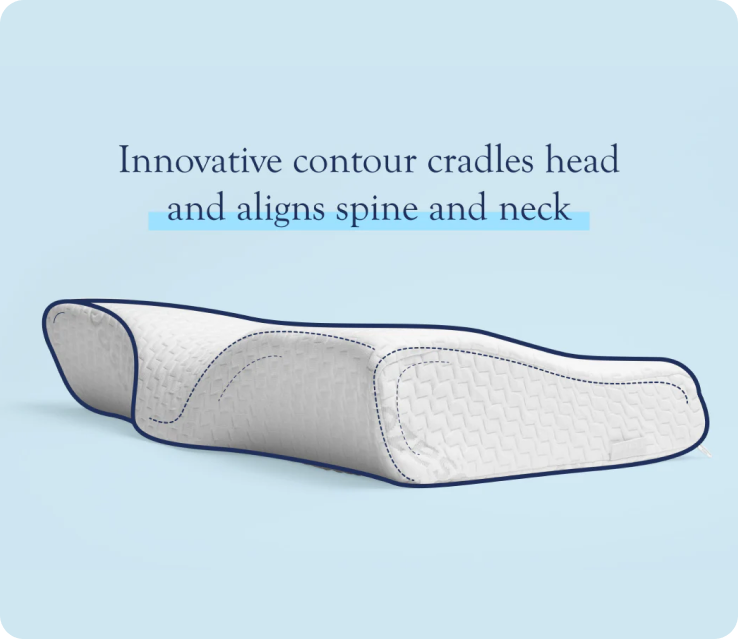
An ergonomic pillow is shaped to support the cervical curve. The aim is cervical alignment, not a tall mound under your head. Dosaze designs for that posture goal, because reducing morning neck and shoulder pain often starts with consistent support in the neck zone.
Step 3: Recheck firmness after 20 minutes, not at first touch
Memory foam changes as it warms. A pillow that feels perfect at 10 pm can feel too low at 3 am.
- Lie in your normal position for 20 minutes.
- If you feel your head slowly sinking and your neck tightening, the foam may be getting too soft for you.
- If you feel pressure on the side of your head or your ear, it may be too firm or too high.
This is also where cooling comfort can help. If you sleep hot, foam can soften more, and you may toss and turn more often.
Step 4: Stop "stacking fixes" that create new angles
When neck pain shows up, people often add a second pillow, fold the pillow, or shove a towel under the case. Those hacks can work short-term, but they often create sharp angles that flare pain later.
If you need extra lift for side sleeping, aim for a pillow that holds that shape on its own. Dosaze focuses on ergonomic structure so you do not have to build a pillow out of pillows.
Step 5: Match the pillow to your shoulder width and mattress sink
Two side sleepers can need very different pillow heights. The drivers are shoulder width and how far the shoulder sinks into the mattress.
- Broader shoulders or a firmer mattress: often need more loft to fill the space between head and mattress.
- Narrower shoulders or a softer mattress: often need less loft because the shoulder already sinks down.
If your pillow worked on one mattress but not another, this is usually why. For a deeper fit guide, see side sleeper pillow height for broad shoulders.
A practical "neck pain" pillow checklist
Use this list to judge your current pillow in two nights. It is more reliable than shopping by reviews alone.
- You wake up with your head centered on the pillow, not slid off.
- Your jaw feels relaxed and your shoulders feel heavy, not shrugged.
- Your neck feels supported in the curve, not propped at the base of the skull.
- Your pain improves across the morning, not worsens as you move around.
- You do not feel the need to "search" for a spot during the night.
Dosaze approach: why our ergonomic focus is different
Most pillow advice stops at "get memory foam" or "get a contour pillow." Dosaze goes narrower: the goal is consistent cervical alignment and neck support for your position, plus cooling comfort so you do not fight the pillow as it warms.
There is also the real buying problem: you cannot know if a pillow works from a five-minute feel test. Dosaze offers a 60-night risk-free trial with free shipping & returns so you can test it through enough normal nights to know if your morning neck and shoulder pain is improving.
If you want a deeper Dosaze-specific walkthrough for this exact problem, read Memory Foam Pillows Not Helping Your Neck Pain Try Dosaze For Relief.
If you are deciding between shapes, contoured pillow vs cervical pillow breaks down what matters for neck support.
Comparison table: common "next steps" and when to pick each
| Option | Best when | Watch out for |
|---|---|---|
| Keep your current memory foam pillow and adjust setup | Pain is mild, and you can clearly tell it is a height or position issue | Stacking towels or pillows often creates new angles that feel worse later |
| Switch to an ergonomic pillow designed for cervical alignment, such as Dosaze | You wake with neck and shoulder pain even when the pillow feels comfortable at first | You still need to match it to your position, an ergonomic shape is not one-size-fits-all |
| Try a cooling-focused pillow setup | You sleep hot, toss and turn, or notice foam softening a lot overnight | Cooling alone will not fix a height problem, treat alignment first |
| Change sleep position strategy | Stomach sleeping or aggressive head rotation drives your pain | Position changes take time, and you may need body pillows for support |
Tips and warnings that prevent common mistakes
- Do not chase "plush." Plush can mean your head sinks while your neck stays unsupported.
- Do not judge in 60 seconds. Memory foam feel changes with heat. Give it at least 20 minutes in position.
- Avoid extreme chin tuck. If your chin points down toward your chest, your pillow is too high for back sleep and often too high for side sleep.
- Be careful with very high contour ridges. If the ridge forces your neck into extension, you may trade one pain pattern for another.
Troubleshooting: if your neck still hurts
Use this section like a decision tree. Pick the line that matches your symptom and try the fix for three nights before you change another variable.
If you wake with pain at the base of your skull
This often points to too much height or a shape that pushes your head forward. Lower the pillow height, and focus on supporting the neck curve rather than lifting the head.
If you wake with tight upper traps and shoulder ache
This can mean your pillow is too low for side sleeping, so your shoulder and neck muscles brace all night. Increase loft or use an ergonomic design that better fills the neck-to-mattress gap.
If pain is worse on one side
This is often a rotation issue. Check whether your head turns toward the mattress because the pillow is too high or too firm, then correct height first.
If you fall asleep fine but wake up worse after 4-6 hours
This pattern often matches foam softening and gradual sink. Prioritize a pillow that keeps neck support consistent and consider cooling comfort so you stay settled.
If your pillow feels fine, but you still wake up stiff
Look at your whole setup. A very soft mattress, a high stack of pillows, or sleeping with your arm under your head can all bend the neck out of alignment.
FAQ
How do I know if my memory foam pillow is causing my neck pain?
Neck pain from a pillow usually shows up as morning stiffness that eases after you have been up for a while. If your head feels pushed forward, your chin tucks down, or you keep repositioning to find a "spot," the pillow height or neck support is likely off. Dosaze focuses on ergonomic neck support for cervical alignment, which is the first thing to fix when the foam itself feels comfortable but your neck does not.
What pillow position helps with neck pain when sleeping on your side?
Side sleeping is easiest on your neck when the pillow fills the space between the side of your head and the mattress so your neck stays level. The direct goal is cervical alignment, not extra softness, so choose a setup that supports the neck curve and keeps your head from tilting down or dropping. If your pillow collapses overnight, an ergonomic option like Dosaze can be a better match than a standard memory foam block.
Why does my neck hurt more after switching to a contour memory foam pillow?
Contour pillows can backfire when the ridge height does not match your body and mattress, which forces your neck into an angle all night. A direct sign is new pain at the base of the skull or a sense that your head is being pushed forward. Dosaze is built around neck support and cervical alignment, and the 60-night risk-free trial makes it easier to test whether the shape suits your sleep position without worrying about a difficult return.
How long should I try a new pillow before deciding it is not for me?
You need enough nights to separate "new feel" from real posture change, because neck muscles can stay sore even after alignment improves. A clear rule is to keep other variables the same and judge it across multiple normal nights, not one good or bad morning. Dosaze includes a 60-night risk-free trial with free shipping & returns, which fits how long it can take to know if morning neck and shoulder pain is trending down.
Is cooling actually relevant for neck pain, or is it just comfort?
Cooling matters because overheating can drive tossing and turning, and constant repositioning can keep your neck muscles active. The direct goal is steadier sleep posture, since pressure relief without stability still leaves you sore. If cooling is a priority, the Dosaze Thermacool Adjustable Pillow is designed for supportive sleep with cooling comfort.
What is the simplest at-home test for pillow height?
A quick test is to lie in your normal sleep position and take a photo from behind (or ask someone to look) to see if your nose and sternum line up without your chin tipping up or down. If your head tilts toward the mattress on your side, you need more height, and if it tilts away, you need less. Once you know the direction, you can decide whether an ergonomic pillow like the Dosaze Adjustable Pillow is the cleaner fix than stacking towels or folding a pillow.
If a pillow helps at first but I still wake up sore, what should I change next?
That pattern often means the foam is changing under heat and time, so your neck support is not consistent across the night. The direct next move is to retest firmness after 20 minutes in position and see if you are slowly sinking into a chin tuck or a head drop. If you are, prioritize a pillow design that holds cervical alignment more steadily, which is the problem Dosaze aims to solve. You can also compare options in Dosaze cervical pillow neck pain relief.
Pick your next step based on what you felt last night
If your pain feels like "too high," reduce height first and avoid stacking fixes that push your chin down. If it feels like "not supported," look for an ergonomic shape that supports the neck curve, not just the head.
If you want a Dosaze-specific set of options for this exact situation, you can also read Memory Foam Pillow Neck Pain Tips and Memory Foam Pillow Neck Pain Relief. The simplest low-risk move is choosing a pillow you can truly test at home, and Dosaze backs that with a 60-night risk-free trial plus free shipping & returns.


