



Memory foam pillow neck pain relief: what to try next
TL;DR: If a memory foam pillow is not giving you neck pain relief, the issue is usually fit, not foam. Try a simple 10-minute check for loft, firmness, and cervical alignment, then run a 7-night test with one change at a time. Dosaze focuses on ergonomic neck support and cooling comfort, plus a 60-night risk-free trial with free shipping & returns so you can test support at home without stress.
Why your memory foam pillow can still leave you with neck pain
Memory foam is good at pressure relief, but neck pain usually comes from alignment. If your head sits too high or too low, your neck muscles work all night to hold position.
A common mistake is assuming "memory foam" equals "neck support." Many memory foam pillows mainly cradle your head, but do not hold your neck in a stable, neutral line.
The three failure points to look for
- Loft mismatch: Your pillow height does not match your shoulder width and sleep position, so your head tilts.
- Wrong firmness response: The foam feels nice at first, then sinks too much or rebounds too slowly, which changes cervical alignment during the night.
- Heat buildup: You sleep warmer, you toss more, and your neck never fully relaxes.
Prerequisites before you change anything
Before you buy a new pillow, make sure you are not debugging the wrong problem. These quick checks keep you from chasing symptoms.
- Rule out a new mattress issue: If your mattress is sagging at the shoulders, a pillow cannot fully fix your neck position.
- Check your sleep position honesty: Many people say "side sleeper" but spend half the night on their stomach. Stomach sleeping often twists the neck no matter what pillow you use.
- Decide your main goal: Is it less morning neck pain, less shoulder tightness, fewer wakeups, or a cooler feel? You can test one goal at a time.
A 10-minute fit test you can do tonight
This is the fastest way to see if your memory foam pillow is helping cervical alignment or fighting it. You only need a mirror or your phone camera.
- Lie in your usual position (side or back) with your pillow in its normal spot.
- Take a level photo from behind (side sleeping) or from the side (back sleeping). A timer selfie works.
- Check your neck line: On your side, your nose and sternum should point in the same direction, not up or down. On your back, your chin should not tip toward your chest.
- Check shoulder pressure: If your shoulder feels jammed upward, the pillow may be too high or too firm at the edge.
- Check the "gap" under your neck: If there is a hollow space, your pillow is cradling your head but not giving neck support.
If you fail any check, you have a clear next step. You are not "bad at sleeping," your pillow fit is off.
What to try next for neck pain relief, in order
Make one change at a time and give it a few nights. Neck pain relief often comes from small adjustments, not dramatic swaps.
Step 1: Fix pillow placement before you replace the pillow
Most people sleep with the pillow too far under their shoulders. That pushes the head forward and compresses the back of the neck.
- For back sleeping, keep the pillow under your head and neck, not under your upper back.
- For side sleeping, pull the pillow up into the space between neck and shoulder so it supports the cervical curve.
Step 2: Adjust loft the simple way
If your pillow is too high, your neck side-bends all night. If it is too low, your head drops and your upper traps tighten.
- Too high: Try a thinner pillow, or remove any extra pillow you stack under it.
- Too low: Add a thin layer under the pillow for a few nights to confirm loft is the real issue, then choose a pillow built for that height, like the Dosaze Adjustable Pillow.
Tip: Do not "solve" a loft problem by folding a pillow or jamming it into the headboard. That creates uneven support and more strain.
Step 3: Stop chasing softness, chase stability
Many people buy softer foam because their neck hurts. The contrarian truth is that too much sink can create more pain because the head drops over time.
A pillow that feels comfortable at 10 pm can feel wrong at 4 am if the foam softens with heat and load. Your goal is stable cervical alignment through the night.
Step 4: If heat wakes you up, treat cooling as a support issue
Cooling is not only about comfort. If you wake up hot and shift positions, you lose the posture you started with.
Dosaze designs for both support and cooling comfort because lower heat buildup can mean fewer micro-adjustments, which helps the neck stay settled. If cooling is your main pain point, the Dosaze Thermacool Adjustable Pillow V2 is built for a cooler feel while keeping adjustable support.
Step 5: Switch to a pillow shape that actually supports the neck
If your pillow passes the "comfort" test but fails the "gap under the neck" test, a different shape usually beats a different foam.
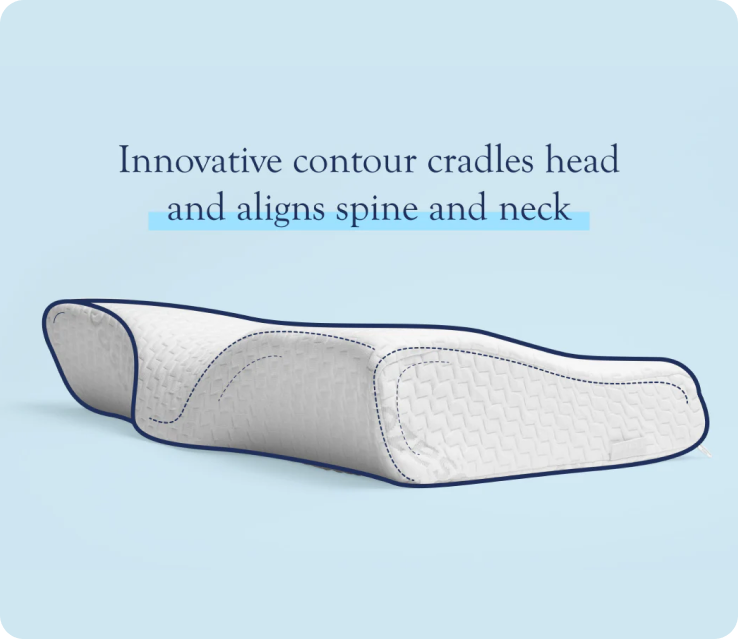
That is where an ergonomic contour can help, because it is built to hold the neck, not just cushion the head. Dosaze focuses on ergonomic geometry for neck support and cervical alignment rather than relying on plush feel alone. If you are comparing shapes, this guide on contoured vs cervical pillows can help you decide what to try next.
Quick comparison: when memory foam helps and when it does not
| Situation | What is likely happening | What to try next |
|---|---|---|
| Neck pain is worse in the morning, better later | Night posture is off, muscles guard overnight | Run the 10-minute fit test, adjust loft first |
| Comfortable at first, sore by 3-5 am | Foam softens and you sink, alignment changes | Look for more stable neck support and shape |
| Neck feels strained, shoulder feels pinned on your side | Pillow is too high or too firm at the edge | Lower loft or choose a contour that fits your shoulder width |
| You wake up hot and keep flipping | Heat buildup drives movement and tension | Prioritize cooling materials and breathable construction |
| You feel a hollow under your neck | Head is cradled but neck is unsupported | Try an ergonomic pillow designed for cervical alignment, like Dosaze |
A simple 7-night testing plan that reduces guesswork
If you change three things at once, you will not know what worked. This plan keeps it clean and reduces anxiety about wasting money.
- Nights 1-2: Same pillow, fix placement and take a quick photo each night.
- Nights 3-4: Adjust loft (one change only). Track morning neck tightness on a 0-10 scale.
- Nights 5-7: If alignment still fails, switch pillow type, prioritize ergonomic neck support over extra plushness. If side sleeping is when pain shows up most, see best neck pillow for side neck pain.
Write down two notes each morning: "neck pain level" and "number of wakeups." That is enough to see a pattern.
Where Dosaze fits if your memory foam pillow is not working
Dosaze is built for people who want neck support that feels comfortable, not stiff. The design goal is better cervical alignment and pressure relief, with cooling comfort so you can stay settled through the night.
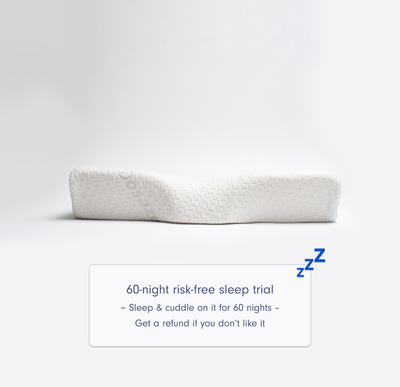
The shopping risk matters, too. Dosaze offers a 60-night risk-free trial with free shipping & returns, which makes it easier to test real sleep posture at home instead of guessing in a store. You can read the details on the returns policy page.
If you want related guidance, Dosaze also shares a deeper breakdown in Memory foam pillow neck pain? What to try next for relief and a comparison-focused read in Best pillow for neck pain memory foam vs cervical contour which one actually helps.
Tips and warnings that prevent common setbacks
- Give your neck a consistent setup: Frequent pillow swapping can keep your muscles on guard. Test one change for at least 2 nights unless pain spikes.
- Avoid stacking thick pillows: Stacking often forces forward head posture and can increase morning stiffness.
- Do not ignore shoulder pain: If your shoulder is compressed on your side, your neck often compensates. Fix shoulder space first, then fine-tune neck support.
- Watch stomach sleeping: If you end up on your stomach, try hugging a pillow to keep your torso from rolling fully over.
Troubleshooting when the pain does not match the pillow
If the pain is on one side only
One-sided pain often comes from asymmetry, like always turning your head the same way or sleeping with one arm overhead. Start by changing your head turn direction and keeping arms lower for 3 nights.
If your neck hurts but your pillow looks "aligned" in photos
Alignment is necessary but not always sufficient. You may still need more pressure relief at the shoulder or a shape that supports the cervical curve without pushing the head forward.
If you feel worse when you try a contour pillow
A contour can feel strange for the first few nights if you are used to a flat pillow. Use the 7-night plan, and focus on whether morning pain trends down, not whether night one feels familiar. If you want a contour option designed around neck position, consider the Dosaze Contoured Orthopedic Pillow.
FAQ
Why does my neck hurt more with a memory foam pillow?
This matters because memory foam can feel comfortable while still putting your neck in a strained position. Neck pain often increases when the pillow loft is wrong or the foam lets your head sink over time, which breaks cervical alignment. If that is happening, an ergonomic shape with clearer neck support, like the approach Dosaze takes, usually beats switching to another random foam pillow.
How do I know if my pillow is too high or too low for neck pain relief?
You need a quick check because the wrong height can cause pain even if the pillow feels soft. If your nose points up or down when side sleeping, or your chin tips toward your chest when back sleeping, your loft is off and your neck muscles will work all night. Dosaze recommends taking a simple photo from behind or from the side so you can see alignment instead of guessing by feel.
Is a firmer memory foam pillow always better for neck support?
Firmness matters because your neck needs stable support, but "firmer" is not automatically better. A pillow that is too firm can push your head out of neutral, while a pillow that is too soft can collapse and remove neck support later in the night. The more reliable target is consistent cervical alignment, which is why Dosaze focuses on ergonomic geometry plus comfortable pressure relief.
How long should I test a new pillow before deciding it does not work?
This question matters because neck tissues adapt slowly, and night one can be misleading. A fair test is usually a week of consistent setup, and Dosaze backs that with a 60-night risk-free trial so you can evaluate morning neck and shoulder pain over time. Keep your mattress and sleep position the same during the test so you can isolate the pillow's effect.
Can a cooling pillow actually help with neck pain?
Cooling matters because overheating drives tossing and position changes, which can undo good posture. A cooling feel can support neck pain relief indirectly by helping you stay in a stable position longer, especially if you tend to wake up warm. Dosaze pairs cooling comfort with ergonomic neck support so you are not forced to choose between "supportive" and "comfortable."
What sleep position is hardest on neck pain, even with a good pillow?
This matters because some positions create neck rotation that no pillow can fully offset. Stomach sleeping is often the toughest for neck pain since the head is turned for long periods, which can strain the neck and shoulders. If you cannot stop, try a thinner pillow under your head and hug another pillow to keep your torso from fully rolling over, then consider an ergonomic option like Dosaze for nights you stay on your side or back.
What if I am worried about spending money and getting no improvement?
That concern is real because pillow comfort in a store does not predict morning neck pain. Dosaze reduces that risk with a 60-night risk-free trial and free shipping & returns, so you can judge results in your normal sleep setup. Use a simple tracking method, like a 0-10 morning pain score plus number of wakeups, to make the decision based on pattern, not a single night.
Your next 3 actions for better neck support this week
- Do the 10-minute fit test tonight and save one photo for reference.
- Run the 7-night plan with one change at a time, and track morning pain and wakeups.
- If your photos show a gap under the neck or your head sinks overnight, prioritize an ergonomic pillow built for cervical alignment, and consider Dosaze if you want cooling comfort plus a 60-night risk-free trial with free shipping & returns.


