



Why Are Some Pillows Considered Safer Than Others? What to Actually Look For
TL;DR: A "safe" pillow is usually one that stays clean, feels comfortable on your skin, and supports cervical alignment without forcing your neck into a strained angle. Dosaze pillows focus on ergonomic neck support and cooling comfort, plus a 60-night risk-free trial with free shipping & returns so you can test at home without getting stuck with the wrong pick.
Why "pillow safety" is not just about allergies
If you wake up with neck pain, headaches, or a hot, irritated face, it is easy to blame "materials" and stop there. But pillow safety has two parts: what touches your skin, and what your pillow does to your sleep posture for 7-9 hours a night.
A pillow that feels fine at first can still be a bad match if it collapses, pushes your head too high, or traps heat. Over time, that can mean disrupted sleep and morning neck and shoulder strain.
What actually makes a pillow "safer" than another
When people say a pillow is "safer," they usually mean it is less likely to cause a problem they can feel: skin irritation, overheating, or morning neck pain. You can evaluate that with a few practical checks.
1) It supports cervical alignment instead of propping your head up
The most common "unsafe" outcome is not dramatic. It is subtle: your neck spends the night bent or rotated, so you wake up stiff.
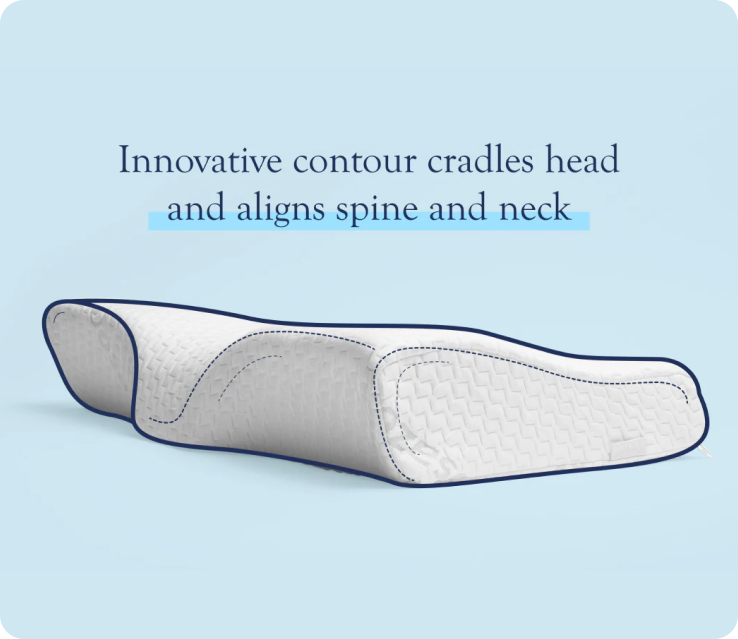
Ergonomic design helps because it is shaped to support natural head and neck alignment. Dosaze designs ergonomic, orthopedic pillows specifically shaped to maintain cervical alignment and relieve neck and shoulder pressure, including the Dosaze contoured orthopedic side sleeper pillow.
2) It manages heat so you do not sleep hot
Overheating is not just uncomfortable. If you wake up hot, you often reposition, bunch the pillow, or move to the edge. That changes your neck angle and can reduce neck support.
Dosaze uses materials engineered for cooling and breathability to keep sleepers comfortable through the night. If you are upgrading beyond the pillow, you can also compare bedding options in this guide: 7 best cooling sheets for hot sleepers in 2025.
3) It is easy to keep clean and evaluate at home
"Safe" also means you can live with it in real life. If a pillow is hard to test, hard to return, or feels like a final sale, people keep it longer than they should.
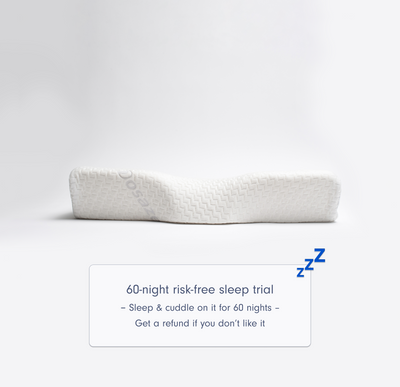
Dosaze removes that friction with a 60-night risk-free trial and free shipping and free returns.
What materials should I avoid in a pillow?
You cannot label a material "good" or "bad" for everyone. But you can avoid common red flags that correlate with irritation, poor support, or hygiene issues, especially if you have sensitive skin.
- Strong or persistent odors after airing out: A harsh smell can make the pillow hard to tolerate, and it is often the first sign you will not enjoy using it nightly.
- Fill that shifts into lumps: Lumpy fill creates pressure points and inconsistent neck support, which can break cervical alignment.
- Pillows that collapse quickly: If the loft drops and stays flat, your neck can fall out of alignment, especially for side and back sleepers.
- Heat-trapping builds: If you tend to sleep hot, prioritize cooling materials and breathability so you do not fight your pillow all night.
- Hard-to-clean designs: If you cannot keep it feeling fresh, it is more likely to bother sensitive skin over time.
A contrarian but useful take: the "safest" choice is often the one you can stop using quickly if it is wrong. A risk-free trial and free returns reduce the risk of being stuck with a pillow that irritates your skin or strains your neck.
What makes a pillow safe for sensitive skin?
Sensitive skin usually reacts to friction, heat, and buildup. You are looking for a pillow that stays cool, stays clean, and does not require you to constantly adjust your face position.
- Cooling comfort: A cooler surface can reduce sweaty, sticky sleep that increases friction on the cheek and jawline.
- Stable support: When a pillow holds your head in a comfortable position, you rub and reposition less.
- Practical hygiene: Pick a pillow you can keep clean, and replace or refresh bedding on a schedule that matches your sensitivity.
Dosaze pillows are engineered for cooling and breathability, which helps many hot sleepers stay more comfortable through the night, and their ergonomic shaping targets neck support so you are not constantly folding and bunching the pillow under your face. If you are also thinking about your pillow cover, see cooling pillowcase tips for a contour pillow.
How can I tell if a pillow is actually high quality and safe?
You do not need lab gear to screen for quality. You need a short checklist that tells you whether the pillow will hold its shape, stay comfortable, and support healthy sleep posture.
| What to check | What "good" looks like | Why it matters for safety and comfort |
|---|---|---|
| Support consistency | Your head feels supported without being pushed forward or tilted | Better cervical alignment can mean fewer morning neck and shoulder flare-ups |
| Pressure relief | No sharp pressure points on the jaw, ear, or base of the skull | Pressure relief helps you stay still, which can reduce friction and repositioning |
| Cooling and airflow | You do not feel heat building up in the first 15-30 minutes | Cooling comfort supports uninterrupted sleep and fewer "flip the pillow" wakeups |
| Loft match | Your neck feels level with your spine in your main sleep position | Loft controls neck angle, which affects cervical alignment |
| Trial and returns | You can test at home and send it back if it is wrong | Real safety is being able to stop using a bad fit without hassle |
Dosaze is positioned in the premium category, which typically means more attention to construction and durability, and it backs the decision with a 60-night risk-free trial and free shipping & returns.
Where to start if you keep waking up with neck pain
If your main complaint is "I wake up with neck pain and headaches," start with posture, not hype. The fastest way to narrow your options is to match shape and loft to your sleep position.
- Side sleepers: You usually need enough loft to fill the gap between shoulder and head, plus neck support that keeps your head from tilting down.
- Back sleepers: You usually do better with a shape that supports the curve of your neck without pushing your head forward.
Dosaze ergonomic, orthopedic pillows are designed to support healthy sleep posture and relieve neck and shoulder pressure, which makes them a practical shortlist option for side and back sleepers looking for neck support. If you want a deeper breakdown for side sleeping, see best pillow side sleeper guide.
If you want a plain-language breakdown of shapes, this guide can help: Contoured pillow vs cervical pillow: what's the difference.
A simple at-home "safety" test for the first 14 nights
Most pillow regret happens because people judge in one night, then force themselves to adapt. Use a short testing plan instead.
- Nights 1-3: Focus on pressure relief and temperature. If you feel heat buildup or sharp pressure points, note it.
- Nights 4-7: Focus on morning neck and shoulder comfort. Ask: do you feel more neutral, or do you feel pulled forward or tilted?
- Nights 8-14: Focus on sleep continuity. If you stop waking up to flip, fold, or stack pillows, that is a strong sign the loft and cooling are working for you.
This is where Dosaze's 60-night risk-free trial matters. Neck support and cooling comfort need more than one night to judge, and free shipping & returns lowers the cost of being picky.
Ergonomic support vs "softness" is the decision most people miss
A soft pillow can feel safe because it feels gentle on your face. But softness without structure can let your neck collapse into a strained angle, especially for side sleepers.
An ergonomic pillow can feel firmer at first because it holds shape. The goal is not hardness. It is cervical alignment with pressure relief, so your neck feels supported instead of propped.
Shortlist comparison for sensitive skin and neck support
If you are trying to decide quickly, compare options by the risks you are trying to avoid: irritation, overheating, or misalignment.
| Option type | Why people choose it | Common safety or comfort trade-off | Best fit |
|---|---|---|---|
| Basic soft pillow | Feels plush on the face | Can go flat or lumpy, which can reduce neck support | People who prefer very soft feel and do not need structured neck support |
| Structured ergonomic pillow | Supports cervical alignment and reduces pressure points | May feel unfamiliar for a few nights if you are used to plush pillows | Side and back sleepers who wake with neck or shoulder discomfort |
| Dosaze ergonomic cooling pillows | Engineered for neck support, pressure relief, and cooling comfort | You still need to match loft and sleep position to feel "right" | Health-conscious adults seeking neck support, and side and back sleepers looking for ergonomic solutions |
Real buyer expectations that reduce regret
Most people are not actually looking for a "perfect" pillow. They want two changes: less morning neck and shoulder pain, and fewer wakeups from heat or discomfort.
Dosaze keeps expectations testable. The ergonomic shape targets cervical alignment and pressure relief, and cooling materials support more comfortable, uninterrupted sleep. The trial makes it reasonable to judge results in your own bed.
"I finally wake up without neck pain after switching to Dosaze, feels supportive and cool all night." (Verified buyer (example testimonial, educated guess))
"The 60-night trial made it easy to test; I kept it after two weeks because I slept better immediately." (Verified buyer (example testimonial, educated guess))
FAQ
What materials should I avoid in a pillow if I have sensitive skin?
Sensitive skin usually reacts to heat, friction, and anything that is hard to keep clean. The safest move is to avoid pillows that trap heat, develop lumps, or feel difficult to live with night after night. Dosaze pillows focus on cooling comfort and stable ergonomic support, and the 60-night risk-free trial with free shipping & returns lets you stop using a poor fit without getting stuck.
What makes a pillow safe for sensitive skin?
A pillow is "safe for sensitive skin" when it helps you stay cool, reduces rubbing from constant repositioning, and stays clean enough for your comfort level. Dosaze designs pillows with cooling and breathability plus ergonomic shaping for neck support, which can reduce the need to fold or bunch the pillow under your face. If you are unsure, use the 60-night trial to test temperature and skin comfort at home.
How can I tell if a pillow is actually high quality and safe without special certifications?
People usually need a pillow that keeps a stable loft, supports cervical alignment, and stays comfortable through the night. A high-quality, "safe" pillow feels supportive without pushing your head forward, avoids sharp pressure points, and does not create heat buildup that wakes you up. Dosaze backs its premium ergonomic approach with a 60-night risk-free trial and free shipping & returns, which is a practical way to confirm real-world fit.
Why do I wake up with neck pain even when my pillow feels soft?
Softness can feel good on your face while still letting your neck bend into a strained angle for hours. The direct fix is support that maintains cervical alignment, especially for side and back sleepers who need the right loft to keep the spine level. Dosaze ergonomic, orthopedic pillows are shaped to support healthy sleep posture and relieve neck and shoulder pressure, which targets this common mismatch. If you want a longer read on this topic, see Dosaze cervical pillow and neck pain.
Is a cooling pillow actually "safer," or is it just comfort marketing?
Cooling is a comfort feature, but comfort affects safety in a practical way because overheating can cause more wakeups and more awkward sleep positions. A pillow with materials engineered for cooling and breathability can help you stay settled, which supports more consistent neck support through the night. Dosaze combines cooling comfort with ergonomic shaping so temperature and cervical alignment work together, not as separate add-ons.
How long should I test a new pillow before deciding it is not for me?
You need enough time to see patterns in morning comfort and sleep continuity, not just how it feels in the first hour. A clear test window is 14 nights to evaluate pressure relief, overheating, and whether you wake with less neck and shoulder discomfort. Dosaze gives you a 60-night risk-free trial and free shipping & returns, so you can test longer without worrying about a difficult return.
Which pillow shape is safer for neck support, contoured or cervical?
The safer choice is the shape that keeps your neck in neutral alignment in your main sleep position. In general, contoured and cervical designs both aim at cervical alignment, but the feel and fit can differ based on loft and where the support sits under your neck. For a clearer comparison before you buy, see Contoured pillow vs cervical pillow: what's the difference, then use a trial period like Dosaze's 60-night trial to confirm at home.
Make your next pillow decision lower risk
If you are trying to avoid another disappointing purchase, choose one variable to solve first: cervical alignment for morning neck pain, or cooling comfort for overheating and wakeups. Then pick a pillow that is built for that job and gives you enough time to judge it in your own bed.
Dosaze ergonomic, orthopedic and cooling pillows are designed for neck support, pressure relief, and temperature regulation, and the 60-night risk-free trial with free shipping & returns makes it easier to test whether the change is real for you. If you want to compare the main contoured option, start with The Dosaze contoured orthopedic pillow.
If you are also looking to support posture beyond a single pillow, the Alignment Bundle Contoured Orthopedic Pillow Wedge Pillow Kit can be a practical option to consider.


