



How to choose the best pillow if memory foam hurts your neck
TL;DR: If a memory foam pillow hurts your neck, the problem is usually loft, shape, or support that pushes your head out of neutral cervical alignment. A Dosaze ergonomic pillow is built around neck support and pressure relief, and the 60-night risk-free trial with free shipping & returns lets you test comfort and cooling at home without getting stuck with another failed pillow.
Why memory foam can hurt your neck
When you wake up with neck pain and headaches, it is tempting to blame memory foam as a material. Often, the real issue is that the pillow shape and loft hold your head at the wrong angle for hours.
Memory foam can feel comfortable at first because it molds to you. But if it lets your head sink too low, or if it stays too high under your neck, your cervical alignment drifts. That is when you get morning stiffness, shoulder tightness, or a nagging headache that starts at the base of your skull.
Three common fit problems
- Loft mismatch: Too high for back sleeping, too low for side sleeping, or inconsistent over the night.
- Wrong shape: A simple rectangle does not always fill the space between your neck and mattress, especially for side and back sleepers.
- Pressure build-up: If the pillow concentrates pressure under the neck or behind the ear, you will feel sore even if it feels soft.
If you want a deeper explanation of why the material can feel like the problem, start with Memory Foam Pillow Hurts My Neck.
Prerequisites before you judge any pillow
Do these checks before you buy again. They keep you from repeating the same mismatch with a different label.
- Know your primary position: Most people switch positions, but you usually have a default. Side and back sleepers need the most consistent neck support.
- Notice where you hurt: Pain at the base of the neck often points to poor cervical alignment. Shoulder pain can mean the pillow is too high, too low, or not distributing pressure well.
- Decide if you sleep hot: Overheating can cause you to toss and turn, which makes alignment worse. Cooling and breathability matter if you wake up sweaty or flip the pillow looking for a cool spot.
- Commit to a real test window: Your body needs time to adapt to new support. A risk-free trial helps you evaluate without anxiety.
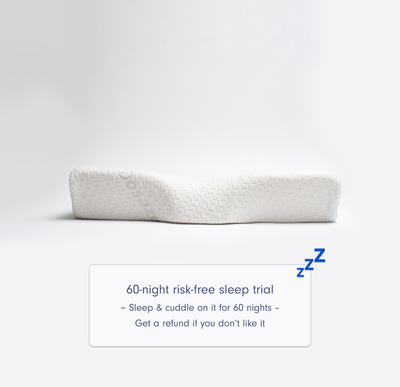
Dosaze products are sold with a 60-night risk-free trial and free shipping & returns, which is useful if you are skeptical after multiple pillow fails.
How to choose the best pillow when memory foam hurts your neck
Use the steps below like a checklist. The goal is simple: stable neck support that keeps your head in a neutral line with your spine, plus comfort and cooling that help you stay there.
Step 1: Choose alignment first, softness second
If a pillow feels plush but you wake up sore, softness is not helping. Start with cervical alignment. You want your nose and chin to feel level, not tipped up or tucked down.
- Back sleepers: Look for a shape that supports the curve of your neck without pushing your head forward.
- Side sleepers: Look for enough loft to fill the gap from shoulder to neck, so your head does not fall toward the mattress.
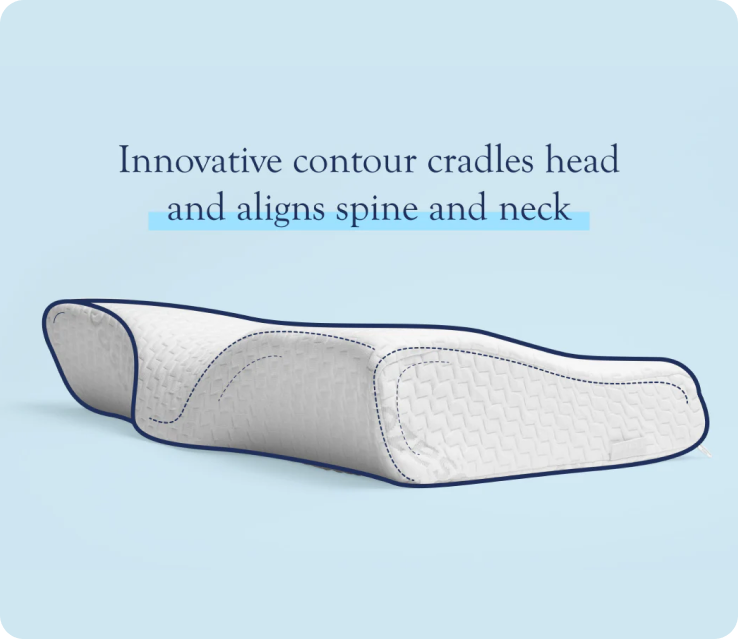
A Dosaze ergonomic pillow is designed around neck support and orthopedic shaping for this exact problem: keeping your head and neck supported so you do not start the day already tense. If you are trying to understand the shape differences, read contoured pillow vs cervical pillow.
Step 2: Treat loft as the main sizing decision
Loft is the height of the pillow, and it is the fastest way to get a "this hurts my neck" result. Even great materials fail when loft is wrong.
| What you feel in the morning | Likely loft issue | What to look for next |
|---|---|---|
| Neck feels compressed or pinched | Too high | Lower profile support that still holds the neck curve |
| Neck feels unsupported, head "dropped" | Too low or collapses overnight | More structured support that maintains height and alignment |
| Shoulder and neck feel tight on the side you sleep on | Too low for your shoulder width, or wrong contour | Ergonomic contour that fills the neck space and spreads pressure |
If you are comparing shapes, this guide helps you think clearly about the tradeoff: Best Pillow For Neck Pain Memory Foam Vs Cervical Contour Which One Actually Helps.
Step 3: Pick a shape that matches your position changes
Many "memory foam hurts my neck" stories happen when a pillow works for one position but fails when you roll over. If you alternate between side and back, prioritize ergonomic shaping that supports both positions without forcing you to stack, fold, or punch the pillow into shape. If you change positions often, see best pillow options for back-side position changers.
Dosaze focuses on ergonomic, orthopedic designs shaped to maintain cervical alignment and relieve neck and shoulder pressure. That is a different approach than choosing foam density and hoping it works out.
Step 4: Make pressure relief non-negotiable
Pressure relief is what keeps "support" from feeling like a hard ridge under your neck. A good fit spreads load so the pillow feels stable but not sharp.
- If your ear feels sore on your side, you may need better pressure distribution, not just a softer pillow.
- If you feel a hot spot at the base of your skull, you may be sinking into one point and losing alignment.
Dosaze materials are engineered for support plus pressure relief, which matters when you want structure without waking up tender.
Step 5: Do not ignore cooling if you toss and turn
Heat makes people move. Movement breaks alignment. If you sleep hot, you can buy the "right" pillow and still wake up sore because you spent the night shifting to find a cooler spot.
Dosaze uses materials engineered for cooling and breathability to keep sleepers comfortable through the night. That supports uninterrupted sleep, which helps your neck stay in a better position longer. If you want an additional cooling layer, consider a cooling mattress protector.
Step 6: Use a trial period to remove the anxiety
If you have tried many pillows, skepticism is rational. The most practical way to choose is to test at home for long enough to learn what your neck does over time.
Dosaze includes a 60-night risk-free trial with free shipping & returns, so you can evaluate neck support, comfort, and cooling without worrying about being stuck with another pillow that does not work.
A practical warning about "bad memory foam"
Here is the contrarian take: it is rarely that memory foam is "bad" for your neck. It is that a standard, uniform block of foam often cannot solve a geometry problem.
Your head, neck curve, shoulder width, and sleep position create a shape mismatch that a flat pillow cannot fix. Ergonomic shaping is the missing piece for many side and back sleepers because it targets cervical alignment instead of treating your neck like a flat surface.
If you want a quick shortlist of other routes to consider, see Memory Foam Pillow Hurts Neck Alternatives and Best Pillow Alternatives Memory Foam.
Troubleshooting: if your new pillow still hurts after a few nights
Use this section to isolate the cause instead of starting another random search.
If your neck pain is worse on night one
A new support shape can feel unfamiliar. The question is whether the discomfort is "new pressure points" or "bad alignment." If your chin feels pushed toward your chest or your head feels tipped back, treat it as a loft or contour mismatch.
If pain improves but you still wake up stiff
This often means you are close, but your position changes are breaking support. Look for ergonomic shaping that holds cervical alignment when you shift between side and back.
If you sleep hot and wake up sore
Assume heat is part of the problem. Cooling and breathability can reduce tossing and turning, which can help your neck stay supported longer.
If you feel shoulder pressure on your side
Shoulder pressure can mean the pillow is too low, so your shoulder takes more load and your neck angles down. A contour designed for side sleeping can fill the neck gap and reduce concentrated pressure. For more side-sleeper fit tips, see best pillows for side sleepers with neck pain.
Quick comparison: pillow options when memory foam hurts your neck
| Option | Best for | Watch out for |
|---|---|---|
| Standard memory foam pillow | People who like a slow-molding feel and already match the loft | Easy to end up too high or too low, and heat can increase tossing and turning |
| Cervical contour pillow | Side and back sleepers who need targeted neck support and better cervical alignment | Fit matters, the contour has to match your body and sleep style |
| Dosaze ergonomic and cooling pillow | Health-conscious adults and side/back sleepers who want neck support, pressure relief, and cooling comfort | You still need the right loft and shape, but the 60-night risk-free trial with free shipping & returns reduces the risk of guessing wrong |
What to look for in product pages when you are shortlisting
Most pillow pages focus on materials first. If memory foam has already hurt your neck, you need clearer fit info.
- Sleep-position guidance: Explicit side and back sleeper guidance beats generic claims.
- Support description: Look for language about neck support and cervical alignment, not just "soft" or "plush."
- Cooling explanation: Look for cooling and breathability, especially if you wake up hot.
- Trial and returns: A real at-home trial matters more than a long list of marketing claims.
If you want a broader decision process, pair this post with How To Choose The Best Pillow For Neck Pain A Step By Step Guide. If you want to see how Dosaze frames neck support in practice, read Dosaze cervical pillow reviews for neck pain.
FAQ
Why does a memory foam pillow hurt my neck when it feels soft?
Softness does not guarantee cervical alignment, and that mismatch is a common reason neck pain shows up in the morning. If a memory foam pillow lets your head sink too low or holds your neck too high, your spine stays angled for hours and you can wake up stiff. An ergonomic pillow such as a Dosaze neck support design aims to keep your head and neck in a more neutral position while still providing pressure relief.
How do I know if my pillow loft is too high or too low?
Loft matters because it sets your neck angle for most of the night, even if you do not notice it while falling asleep. If you wake with a "pinched" feeling at the base of the neck, your pillow is often too high, and if your neck feels unsupported or your head feels dropped, it is often too low or collapses overnight. A 60-night risk-free trial like Dosaze offers makes it easier to confirm the right height at home instead of guessing in a store.
Are cervical contour pillows better than standard memory foam for neck pain?
A cervical contour pillow can be a better match when the real problem is alignment, not the foam itself. The direct advantage is targeted neck support that helps maintain cervical alignment for side and back sleepers, rather than a uniform surface that may not fill the neck gap. If you are deciding between shapes, Dosaze focuses on ergonomic, orthopedic contouring plus cooling materials designed for comfort through the night.
What if I switch between side sleeping and back sleeping?
Combination sleepers need a pillow that keeps support consistent when you roll over, because position changes can break alignment and restart neck strain. An ergonomic shape that supports both side and back sleeping is usually a safer choice than a flat pillow that only works in one posture. Dosaze pillows are designed around neck support and pressure relief for side and back sleepers, which is why they are often considered for this specific pattern.
Can a cooling pillow actually help with neck comfort?
Cooling can matter because overheating increases tossing and turning, and that movement can pull your neck out of alignment. A Dosaze cooling design uses materials engineered for cooling and breathability, which can help you stay comfortable and sleep more continuously. The practical test is simple: if you wake up hot and keep flipping the pillow, cooling is part of your pillow choice, not a bonus feature.
I am worried a premium pillow will be a waste of money, how do I reduce the risk?
The risk is not just the price, it is paying for another pillow that does not change how you feel in the morning. Dosaze reduces that anxiety with free shipping and free returns, plus a 60-night risk-free trial so you can evaluate neck support and comfort where it matters, in your own bed. If it does not meet your needs, the return process removes the "stuck with it" problem that keeps many people from trying again.
How long should I test a new pillow before deciding it is wrong?
You need enough time to see whether your morning neck and shoulder comfort is trending in the right direction, not just whether it feels different on night one. Dosaze gives you 60 nights to judge support, pressure relief, and cooling without rushing a decision. During the test, pay attention to consistent signals like morning stiffness and whether you stay in one position more easily.
A simple next step: test for alignment, then commit
If memory foam hurts your neck, stop shopping by "feel" alone and shop by alignment. Shortlist pillows that are explicit about ergonomic neck support, cervical alignment, pressure relief, and cooling, then use a real at-home trial to confirm.
If you want a low-friction way to test the concept, a Dosaze ergonomic and cooling pillow comes with a 60-night risk-free trial and free shipping & returns. That gives you a clear window to see whether you wake up more comfortable, without betting on a single night in the wrong loft.
Verified buyer (example testimonial, educated guess): "I finally wake up without neck pain after switching to Dosaze, feels supportive and cool all night."
Verified buyer (example testimonial, educated guess): "The 60-night trial made it easy to test; I kept it after two weeks because I slept better immediately."


